Ethan Crossfield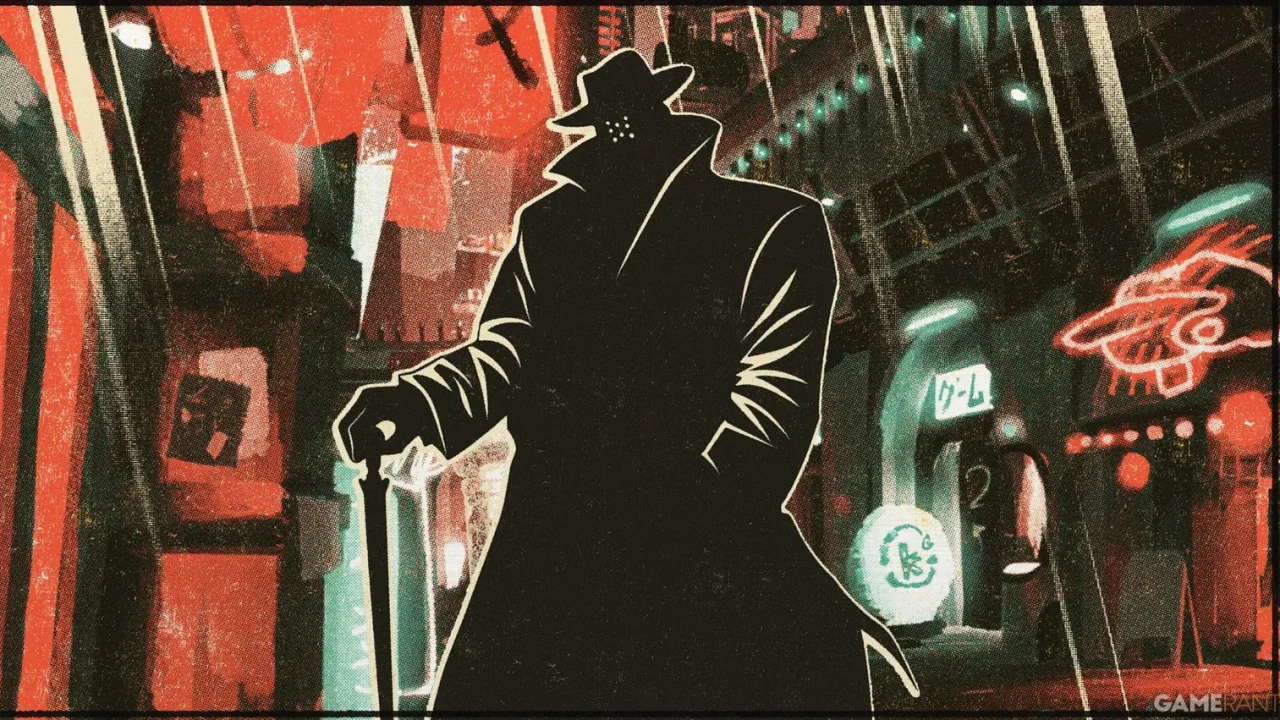
Updated silhouettes for the final two unreleased heroes tied to Overwatch’s Reign of Talon storyline have appeared online, and the changes are already drawing criticism. Fans had spent months discussing the original concepts, particularly a cane-wielding Omnic detective whose distinctive look has reportedly been heavily simplified.
What Happened to the Upcoming Overwatch Heroes?
Blizzard previously announced that 10 new Overwatch heroes would arrive throughout 2026, giving players early silhouettes to study and discuss. The designs for Sierra, Shion, and D.Mon later aligned with those initial previews, but the remaining two characters appear to have changed substantially during development.
Both upcoming characters are expected to be supports. The hero associated with Season 6 now looks significantly different from the first silhouette, while the Omnic detective appears to have received a more futuristic and streamlined design. The updated images have circulated through community discussions, allowing players to compare the apparent revisions with the concepts that first generated interest.
Why Players Preferred the Original Omnic Detective
The strongest reaction has focused on the Omnic detective because the early design communicated a clear identity at a glance. Players responded to the visible lights or dots across the character’s face, the old-fashioned hat, the jacket with its raised collar, and the cane-like weapon. Those elements suggested a detective with a distinctive, retro-inspired personality, even though the character’s actual role and backstory have not been confirmed.
In the newer silhouette, the facial lights appear to be missing, and the original hat seems to have been replaced by a more unusual, wing-shaped design. The raised collar has also disappeared. The weapon is difficult to identify, leaving open several interpretations: it could still be a cane, something carried over the shoulder, a pipe, or another item altogether. Some fans have tried to reinterpret the updated outline through sketches, but the broader response suggests that many players see the revision as a loss of character rather than a refinement.
What to Watch Next
The second hero, commonly discussed by players as Hivemind, has received a less hostile response, although the difference from the original concept has still surprised the community. The early silhouette may have reminded some players too strongly of Mizuki, while the rumored ability to command drones may or may not remain part of the final kit. Neither the hero’s final appearance nor that gameplay detail is confirmed by the available information.
The situation also shows the risk of revealing characters through silhouettes too early. Early artwork can build anticipation, but it can also make players emotionally invested in designs that are still moving through development. Blizzard’s previous experience with Shion offers a useful reminder: an initial silhouette that seemed less impressive did not prevent the Season 3 hero from becoming a fan favorite after release.
Key takeaways for Overwatch fans
- The two updated silhouettes represent heroes that have not yet been released.
- The Omnic detective has drawn the strongest backlash because several signature visual details appear to be gone.
- Hivemind’s final appearance and any drone-commanding mechanic remain uncertain.
- Silhouettes can change significantly before a hero reaches the game.
- The community’s reaction may influence how Blizzard reveals future characters.
Expert View
Blizzard has created a preventable expectation problem. The silhouettes succeeded at generating interest in Overwatch’s largest post-launch year, but they also presented unfinished ideas as something fans could start treating as promises. Changing a hero during development is normal, yet removing the features that made the Omnic detective memorable risks making the character feel less original before players have even met him. The studio should either reveal concepts later in development or clearly signal that early silhouettes are provisional.