Ethan Crossfield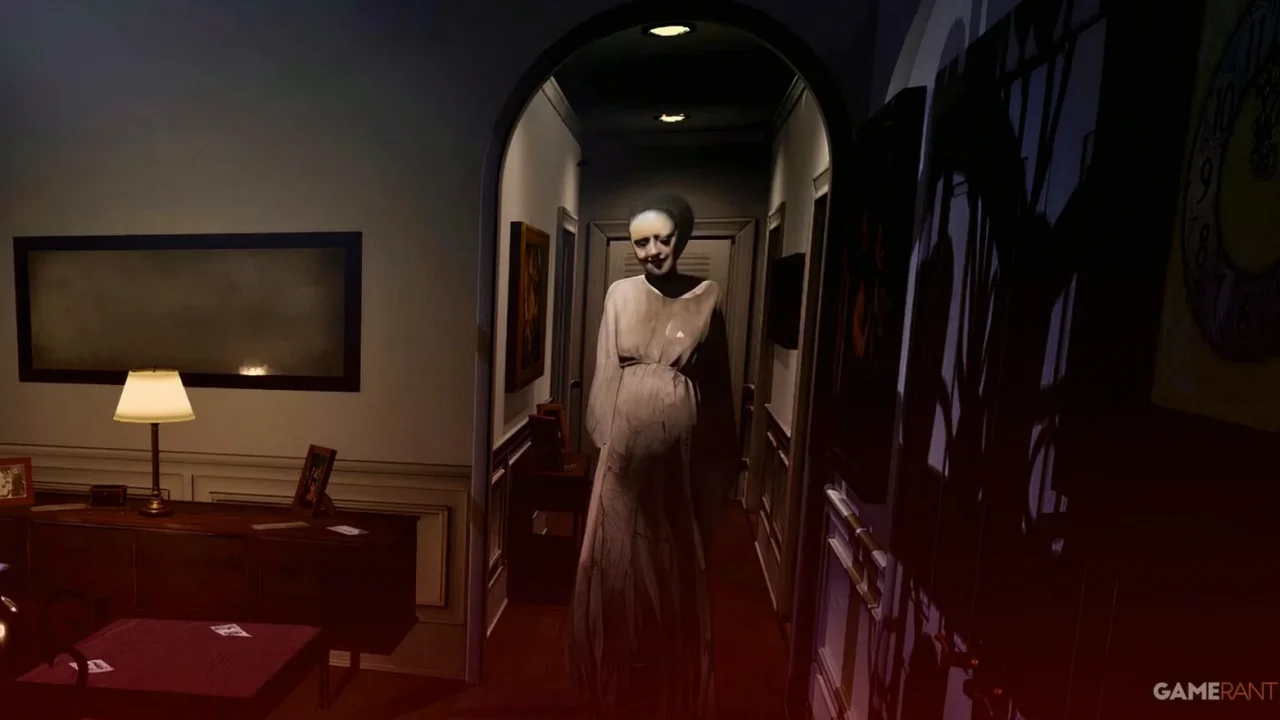
Game delistings continue to reshape how players access older releases, particularly when licensing agreements expire. In 2026 alone, more than 50 games have reportedly ended support or been removed from availability. Paranormal Activity: The Lost Soul is the latest notable example: the survival horror game is scheduled to leave digital storefronts in August 2026, even though it remains popular with fans and has earned very positive reviews on Steam.
A Licensed Horror Game With P.T. Comparisons
Paranormal Activity: The Lost Soul launched in 2017 as an original story set within Paramount's Paranormal Activity franchise. VRWERX initially designed it as a virtual reality experience for PS VR and other VR platforms, including Meta Quest. Later controller support broadened its appeal, turning the release into a more conventional first-person survival horror game as well.
Its setup is intentionally focused. Players investigate a haunted house with a battery-powered flashlight, gradually uncovering the causes behind the strange events inside. That confined exploration and unsettling atmosphere have led many players to compare the game with P.T., the famous horror experience that became difficult to access after its removal from the PlayStation Store.
The Lost Soul Will Leave Multiple Storefronts
VRWERX has confirmed that its agreement with Paramount has ended, making the licensing expiration the reason for the upcoming delisting. The game is expected to disappear from Steam, Meta, Viveport, and the PlayStation Store at some point in August 2026. The developer has not provided a more specific removal date in the available information.
The change will prevent new customers from downloading the game after it is taken down. However, players who already own it, or who complete a purchase before the delisting, are expected to retain access and continue playing. That gives interested players a limited opportunity to add the game to their libraries before it disappears from sale.
Why This Matters for Digital Game Preservation
The Lost Soul's removal is especially significant because the game has remained available for roughly nine years, a longer lifespan than many licensed titles receive. Even so, its future illustrates the risks attached to games that depend on third-party intellectual property. When a rights agreement ends, a well-reviewed game can become unavailable to new players regardless of its ongoing audience.
Other licensed releases have faced similar problems. Star Trek: Legends is also preparing to shut down its servers in August, despite having launched on PC and consoles only in 2024. These cases continue to fuel calls for stronger safeguards around digital ownership, licensing, and long-term access.
VRWERX Says More Horror Games Are Coming
The studio has indicated that the delisting does not mark the end of its work in the genre. VRWERX is developing new games, including projects tied to new horror franchises. While no further details are available, that commitment gives the developer a path forward beyond its licensed Paranormal Activity release.
Key points
- Paranormal Activity: The Lost Soul is scheduled for delisting in August 2026.
- The game is expected to leave Steam, Meta, Viveport, and the PlayStation Store.
- Existing owners and players who buy it before removal should retain access.
- VRWERX is working on additional horror games and new horror franchises.
Confirmed availability details
| Item | Details |
|---|---|
| Delisting window | August 2026 |
| Affected storefronts | Steam, Meta, Viveport, and PlayStation Store |
| Reason | Expiration of VRWERX's license with Paramount |
| Access after removal | Existing owners can continue playing; new purchases will not be possible |
Expert View
The situation highlights a persistent weakness in the digital games market: availability can depend on licensing contracts rather than player demand or a game's critical reception. For horror fans, buying before the deadline may preserve access, but that solution still leaves future players dependent on the systems and storefronts that support the existing purchase. The Lost Soul also shows why licensed games need clearer preservation plans if publishers want them to remain part of gaming history.