Ethan Crossfield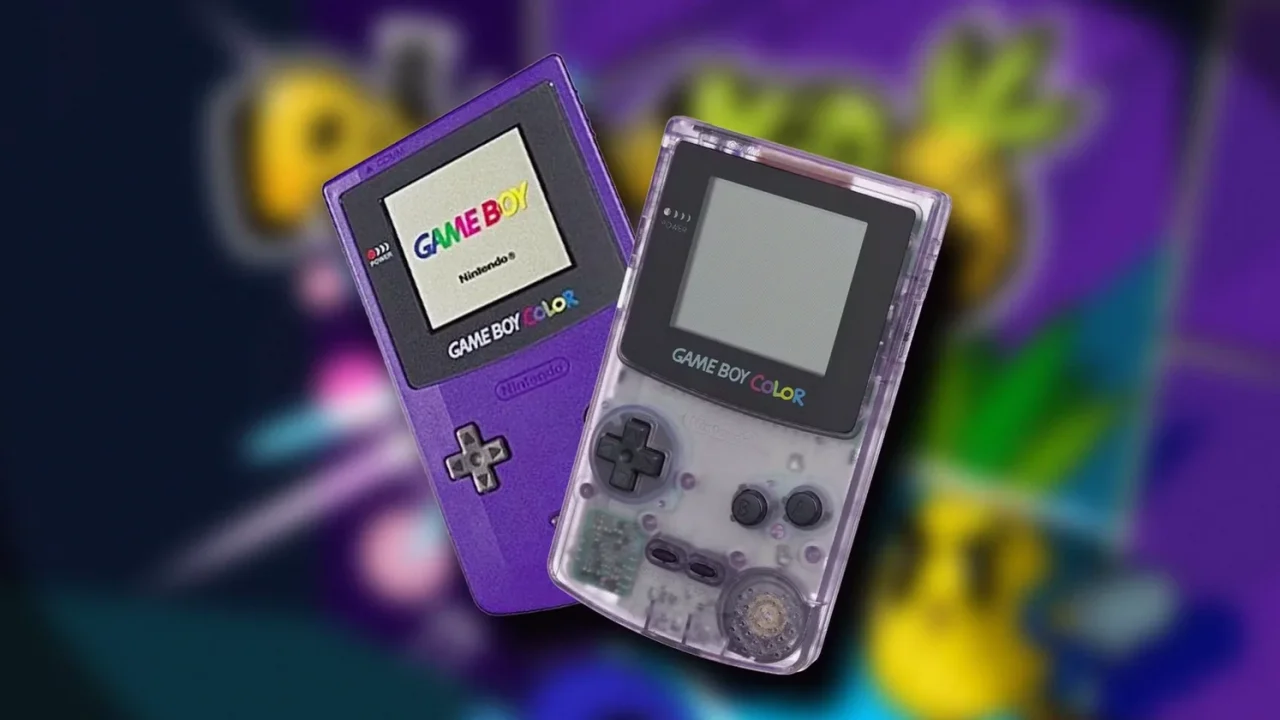
A new Game Boy Color game has arrived nearly 28 years after Nintendo’s handheld launched, giving retro players another reason to use original hardware. Pineapple Kid DX, a puzzle game from MHZ Games, is available as a physical cartridge through ModRetro and has earned a 4.8/5 player rating so far.
What Happened With Pineapple Kid DX?
Pineapple Kid DX is an expanded Game Boy Color version of Pineapple Kid, a Game Boy release that debuted in 2021. The DX edition adds more vivid color, extra modes, and a built-in achievement system while retaining the compact puzzle design that defines the series.
Players guide Pineapple Kid through difficult stages, collect keys, avoid or outsmart enemies, and work out the correct route to the exit. MHZ Games has also included a level builder, allowing players to create and test their own challenges directly on the cartridge. That feature gives the game more longevity than a straightforward set of fixed stages.
The physical release includes an instruction manual and works with the original Game Boy, Game Boy Color, and Super Game Boy, as well as the Chromatic. That broad compatibility makes it accessible to players who prefer different pieces of classic or modern retro hardware.
Why It Matters for Retro Players
The Game Boy Color originally launched in 1998, and most people playing its library in 2026 will likely use emulation or another modern workaround. Those options are convenient, but a physical cartridge offers a different kind of appeal. Pineapple Kid DX is designed for players who want to put a game into compatible hardware and experience it in the format associated with the system’s original era.
MHZ Games points to Kwirk and Amazing Tater as inspirations, particularly their straightforward presentation and inventive level design. Pineapple Kid DX therefore targets a specific kind of puzzle fan: players who enjoy learning a small ruleset, finding efficient solutions, and returning to stages to improve their results.
The early response is notable because the game is not relying only on nostalgia. Its 4.8/5 ModRetro rating suggests that players are responding positively to the actual puzzle experience, replay value, and physical presentation. The built-in achievements and custom level creator also give the release features that extend beyond simply reproducing a 1990s Game Boy Color formula.
What to Watch Next
Pineapple Kid DX is still a recent release, so its player rating may change as more retro fans try it. The level creator could become one of the most important parts of its long-term appeal if players continue building and sharing challenges, although the available information does not indicate how that community activity will develop.
Its launch also arrives alongside continued interest in new software for aging handheld platforms. Fall From Space, another Game Boy Color game released on ModRetro this month, shows that Pineapple Kid DX is part of a wider effort rather than an isolated experiment. Developers are still making cartridges for these systems, and buyers are still providing enough support to make such projects viable.
For now, the key story is simple: Pineapple Kid DX combines classic hardware compatibility with modern additions such as achievements, multiple modes, and user-created levels. That combination gives owners of compatible devices a new cartridge to play while showing that Game Boy Color development remains active nearly three decades after the console first appeared.
Key takeaways for players
- Pineapple Kid DX is available as a physical cartridge through ModRetro.
- The game supports Game Boy, Game Boy Color, Super Game Boy, and Chromatic hardware.
- New features include additional modes, achievements, brighter color, and a built-in level creator.
- The game has received a 4.8/5 player rating on ModRetro so far.
Expert View
Pineapple Kid DX is a strong example of why retro hardware still has room for new releases. Its appeal is not limited to owning a cartridge: the level builder, achievements, and replayable puzzle structure give players reasons to keep returning. If MHZ Games can attract a small but active audience around custom stages, the release could demonstrate that new Game Boy Color projects can offer meaningful play value rather than functioning solely as nostalgic collectibles.