Ethan Crossfield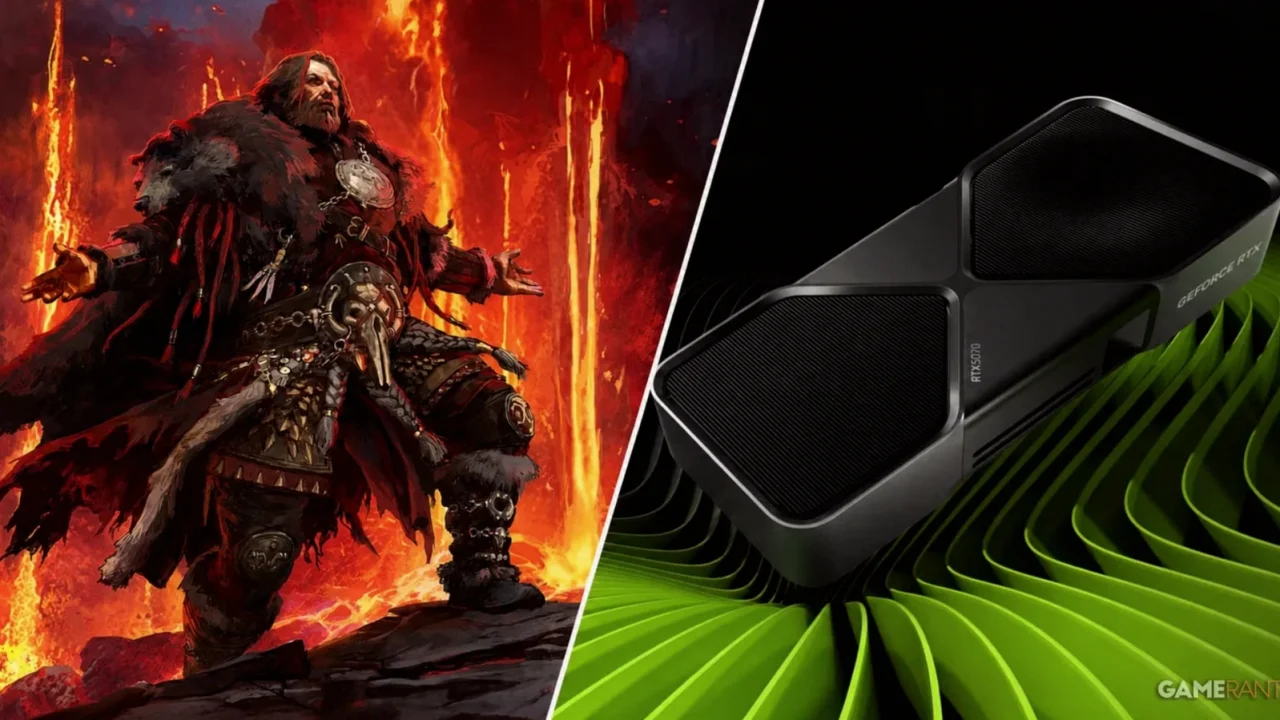
Grinding Gear Games didn’t just file a bug report—it's helped Nvidia squash a long-running Path of Exile 2 driver issue by shipping an entire PC setup built to reproduce the crash. The fix matters now because the game’s freezes could lock players out of control during endgame runs, turning progression into a gamble.
What happened: a rare, long-triggering driver failure
Path of Exile 2 has been in early access, and not long after launch, players reportedly hit disruptive Nvidia driver behavior that could persist for well over a year. The problem showed up as lengthy pauses during extended sessions, including moments where affected players were unable to control their characters for roughly 20 to 30 seconds. Those freezes were especially dangerous in demanding endgame content, where losing control unexpectedly could contribute to a character’s death or a failed encounter.
Grinding Gear Games eventually traced the underlying issue to newer Nvidia driver versions, including 566.36, which arrived shortly before Path of Exile 2 entered early access. After about a year and a half of investigation, the issue was addressed via a new Nvidia graphics driver update—ending a saga that had lingered far beyond a typical troubleshooting cycle.
How GGG got Nvidia to reproduce it: replay tech and a full PC shipment
In a developer video, game director Jonathan Rogers explained that Grinding Gear Games identified the relevant Nvidia driver code earlier in the process, but Nvidia still needed dependable reproduction steps. Simply asking Nvidia engineers to repeatedly play difficult endgame maps wasn’t a practical approach: the bug could take hours to occur.
To bridge that gap, GGG added diagnostic tools to its in-house engine and built a replay system capable of repeating recorded gameplay sessions across studio computers. After extensive testing, the team produced a replay that triggered the issue on a consistent cadence—about once every five to seven minutes.
Even then, the replay only worked reliably on one specific studio machine. The final step was unusually extreme: GGG packaged the replay alongside the affected PC hardware—including the monitor, keyboard, and mouse—and shipped the entire setup to Nvidia. With the exact equipment and a repeatable trigger, Nvidia could reproduce the failure and investigate a driver-level remedy.
Why it matters: the fix and the lesson for PC troubleshooting
Nvidia’s solution focused on preventing the GPU crash by increasing the shader heap size. With that adjustment applied, Path of Exile 2 stopped suffering the prolonged recovery pauses that followed the underlying failure.
Nvidia implemented the change in GeForce Game Ready Driver 610.88, released on July 28, 2026. Nvidia’s notes indicate the driver fixes intermittent long pauses that can occur after extended sessions when playing the game in DirectX 12 mode. Grinding Gear Games marked the end of the ordeal with a celebratory moment, and Rogers said the studio’s engine programmers could return to more conventional performance work.
Beyond the immediate relief for players, the incident highlights why PC issues tied to specific software/driver/hardware combinations can take so long to diagnose. GGG knew many players were affected, but Nvidia lacked a consistently reproducible case—creating friction that required out-of-the-box thinking. Shipping a full gaming setup wasn’t the usual route, but it ultimately solved a bug that conventional reports couldn’t reliably demonstrate.
What to watch next: driver stability in endgame and DX12 sessions
With the fix tied to a specific driver update, the next practical question is whether long-session endgame stability holds across a wider range of Nvidia configurations in DirectX 12 mode. Players who were previously impacted may want to confirm the behavior after updating to the referenced driver, especially during extended runs where the freeze window mattered most.
- If you play Path of Exile 2 in DirectX 12 on Nvidia, update to the referenced GeForce Game Ready Driver to address the long-pause issue.
- Those freezes were worst in endgame and could remove character control for about 20–30 seconds—testing after updates is especially important for high-stakes runs.
- This case shows why reproducible test cases matter: expect future driver fixes to hinge on precise reproduction steps, not just reports of symptoms.
- For players troubleshooting similar PC problems, capturing consistent reproduction conditions can be as valuable as reporting the bug itself.
| Item | Detail |
|---|---|
| Bug trigger window | Pauses could last about 20–30 seconds during extended sessions |
| Worst-case scenarios | Demanding endgame content where losing control could end runs |
| Key driver window mentioned | Newer Nvidia drivers including 566.36 (released shortly before early access) |
| Fix driver referenced | GeForce Game Ready Driver 610.88 (July 28, 2026) |
| API mode called out | DirectX 12 |
Expert View
This is one of the clearest examples of how PC stability work actually gets done: the “bug” wasn’t just a game problem, it was an ecosystem problem. Nvidia needed repeatability, GGG needed leverage, and both sides had to treat reproduction like engineering, not support. For players, the upside is a real fix; for the scene, it’s a reminder that early access can surface deep platform-level issues—and that resolving them may take months of targeted, sometimes absurdly hands-on collaboration.