Ethan Crossfield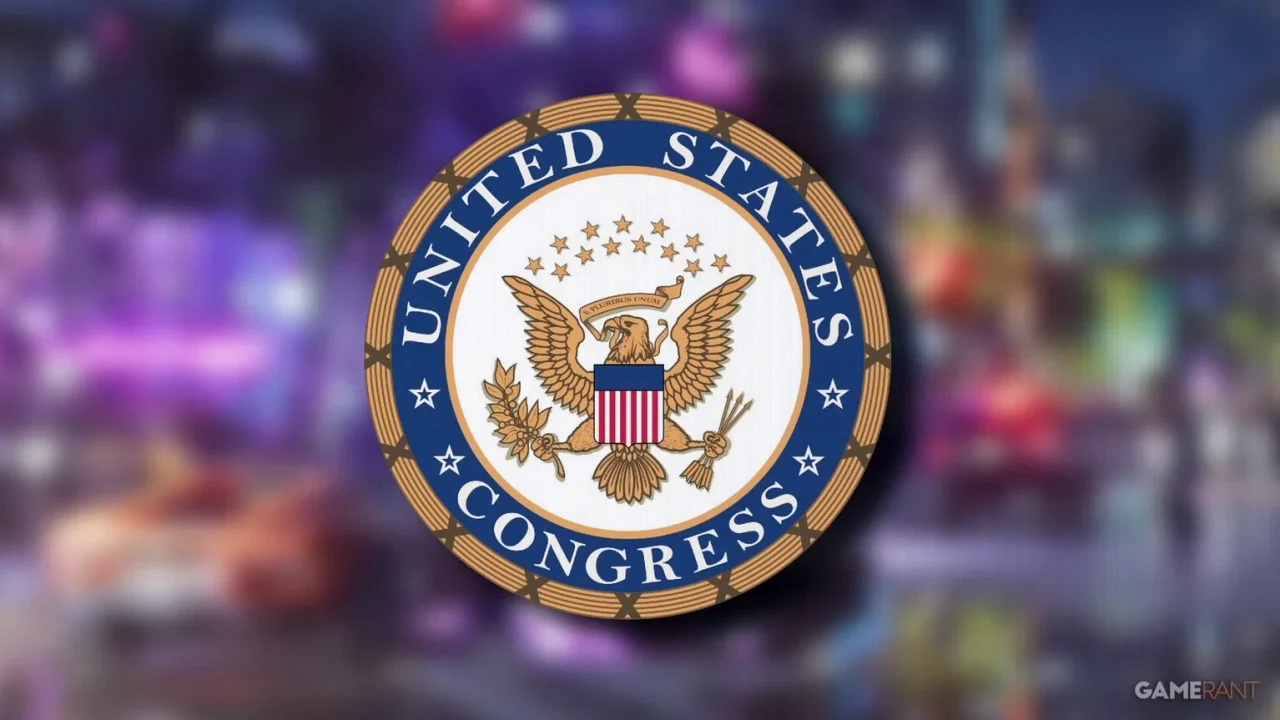
Gaming’s move toward digital storefronts has made access to purchased games dependent on publishers, platforms, licenses and online servers. That long-running concern has now reached the federal political conversation: New York Democratic Representative Ritchie Torres says he is preparing the Power to the Players Act, a proposal intended to give buyers stronger protections over digital games.
Why the ownership debate has intensified
Players have spent years questioning whether buying a digital game amounts to ownership or simply a revocable license to access it. The issue has become more visible as physical media declines across the industry. PC gaming has operated primarily through digital distribution for decades, while consoles have increasingly embraced disc-free hardware, including a PlayStation 5 model without a disc drive.
Recent announcements have added urgency to the discussion. Rockstar Games said Grand Theft Auto 6 would not receive physical copies, prompting objections from fans concerned about a digital-only release. Sony’s stated plan to stop producing physical game discs for titles launching from January 2028 drew further backlash, with players discussing boycotts, protests and legal options.
What the proposed bill would seek to change
Torres told Kotaku that the Power to the Players Act would be designed to ensure customers retain access to digital games they have paid for, including after the original studio has moved on from a title. A central part of the proposal would require games to include offline functionality that remains usable if their online servers are shut down.
The bill would also challenge the current model in which many digital purchases are sold as licenses that can potentially expire or be withdrawn. Its stated goal is full ownership of a purchase rather than access controlled by a publisher or platform. The available details do not establish how the measure would address games built around persistent online services, but its direction is clear: purchases should not become unusable solely because corporate support ends.
A proposal, not yet a new rule
The Power to the Players Act has not yet become legislation. Torres is preparing to bring the bill before Congress, and it is not known whether it will have co-sponsors. Even with support from gaming communities, a congressional proposal must still move through the legislative process before it can create enforceable consumer protections.
The initiative also joins wider efforts pushing back against games becoming unavailable after delisting or server closures. California has seen a proposed Protect Our Games Act, while the broader Stop Killing Games movement has encouraged similar legal and consumer-rights discussions in multiple regions. So far, however, there has been no broad legal change requiring major companies such as Sony, Microsoft or Epic Games to preserve access in the way Torres’ proposal envisions.
Key points
- Representative Ritchie Torres is preparing to introduce the Power to the Players Act in Congress.
- The proposal aims to protect access to purchased digital games after support or servers end.
- Offline play would be a required feature under the bill’s stated approach.
- The measure has not been passed, and potential congressional support is unknown.
Expert View
This proposal reflects a growing collision between the convenience of digital distribution and the expectations attached to a purchase. For competitive communities, preservation matters beyond nostalgia: older titles, training tools and community-run scenes can disappear when access depends entirely on a platform holder or server operator. The legislation is far from guaranteed to advance, but its arrival in Congress signals that digital ownership is becoming a mainstream consumer-rights issue rather than a niche complaint from collectors.