Ethan Crossfield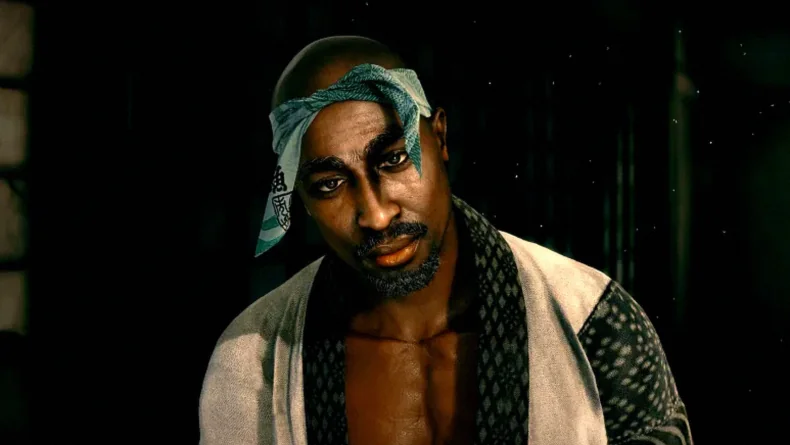
Stranger Than Heaven’s Summer Game Fest 2026 reveal didn’t just spotlight a new action game from Ryu Ga Gotoku—it also introduced a casting choice that instantly sparked debate: Tupac Shakur joining the lineup. RGG Studio head Masayoshi Yokoyama says the team’s path to that decision was built around relationships, consultation, and a focus on respectful depiction.
What happened
Stranger Than Heaven has been positioned as one of the most anticipated action games on the horizon, and its pedigree—coming from Ryu Ga Gotoku, the studio behind Like a Dragon and Yakuza—made the character reveal at Summer Game Fest 2026 especially notable. Alongside Snoop Dogg and other recognizable actors, the showcase confirmed that Tupac Shakur would be included as well.
Yokoyama traced the idea back to Snoop Dogg first. According to him, Snoop’s real-world connections helped shape the role of Orpheus, a key character in the game. The studio’s concept wasn’t limited to Snoop alone: Yokoyama described a broader cast of people who, in Japan’s context, are “outsiders” or come from elsewhere. Within that framework, Tupac’s name entered the conversation after the team discussed what kind of parallel could exist between relationships in the game and relationships outside it.
The process, as Yokoyama recounts it, moved in steps. The studio initially asked Snoop for suggestions on who could fill the role, and Tupac’s name surfaced from Snoop’s side. He also noted that internal reactions ran positive—some at the studio reportedly felt the pairing of Snoop Dogg and Tupac within the same game would be compelling, even if the final execution required careful handling.
Why it matters
Beyond the headline casting, Yokoyama emphasized the studio’s intent to treat Tupac’s legacy with care. When asked about the wider, ongoing disputes related to Tupac’s likeness rights, Yokoyama said RGG pursued approval not only from Tupac’s surviving family, but also from the likeness rights holder.
He framed the guiding principle as respect at every stage: include the family throughout the process to ensure the portrayal honors who Tupac was. At the same time, the studio reportedly avoided trying to recreate Tupac as he was at the time of his passing. Instead, the team aimed to imagine how Tupac might express himself decades later—an approach Yokoyama described as focusing on potential future rather than dwelling on the past.
That distinction may address some of the questions raised by the announcement, but it doesn’t erase the inherent tension of bringing a figure who was murdered 30 years ago into a mainstream game cast. Stranger Than Heaven is set to arrive on January 15, giving players a clear timeline for when those creative decisions will be tested in practice.
What to watch next
With the game’s release approaching, the biggest open question is how the studio translates that “future potential” framing into the character work and narrative role. Fans may also look for how the Orpheus setup—built from Snoop’s character and real-world relationship logic—ties into Tupac’s presence in the world of Stranger Than Heaven.
More broadly, the casting could influence how other major studios approach high-profile celebrity likenesses and legacy figures, especially when approvals and family involvement are central to the process. For now, the reveal has already made Stranger Than Heaven’s story and production choices part of the cultural conversation—not just the gameplay pipeline.
- Pay attention to how Tupac’s character is written and performed, since the studio says it’s aiming for a “potential future” portrayal rather than reenacting the past.
- Watch for how Orpheus and Snoop’s role connect to other characters described as outsiders or foreigners within the game’s world.
- Expect the approval process to become a talking point around the release, not just the casting announcement itself.
- If you’re following celebrity likeness disputes, note that Yokoyama specifically referenced approvals from both the family and the likeness holder.
Expert View
Casting Tupac in a major Ryu Ga Gotoku-adjacent action title is the kind of decision that can either feel exploitative—or, if handled carefully, like a genuine attempt at legacy-respecting storytelling. Yokoyama’s emphasis on step-by-step approval and a “future potential” framing suggests RGG understands the stakes. Still, the controversy won’t fade until players see how the character actually functions in-game: whether it’s more than name recognition, and whether the narrative treats Tupac as a person with agency rather than a headline.