Ethan Crossfield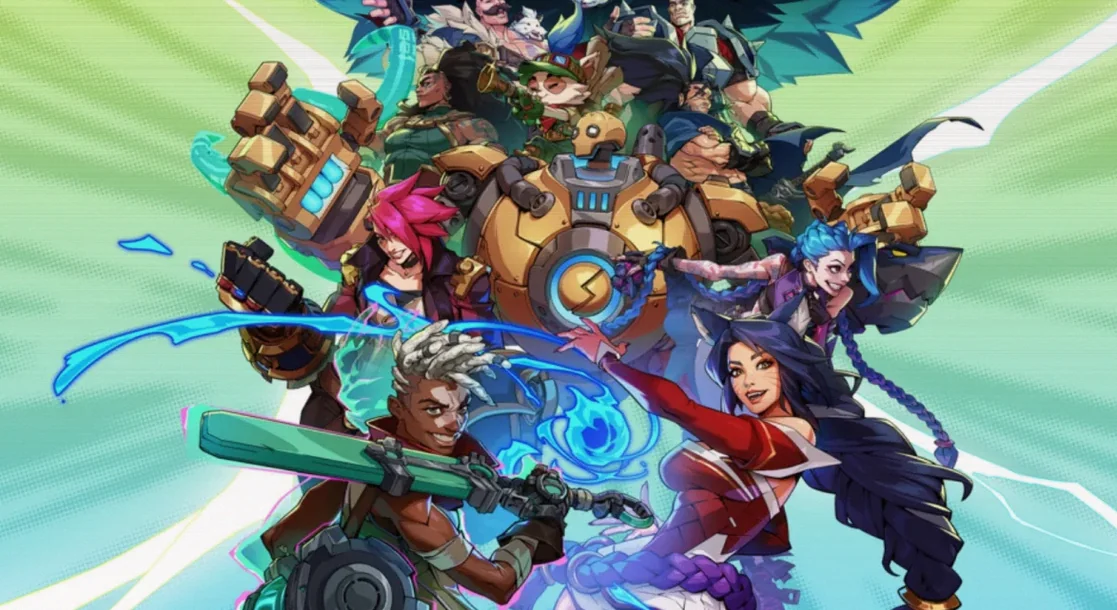
The fighting-game market continues to compete for players’ limited time, and even recognizable franchises can struggle to maintain a lasting audience. Riot Games has now confirmed that 2XKO, its free-to-play League of Legends tag-team fighter, will leave active development in December after failing to build a sustainable player base.
A live game without a long-term development plan
Riot says it has been closely tracking 2XKO’s player trajectory and found that, although many people tried the game and a dedicated community still plays daily, too few players continued playing to support the game’s future under its current model. As a result, the studio has decided to sunset active development rather than continue investing in a game that has not reached a sustainable scale.
The December cutoff does not mean an immediate shutdown. Riot has not provided a specific date for the final transition, but it says the servers will remain active beyond December. Online matches should therefore continue to be available for the foreseeable future, while offline play will not be affected.
What players can expect before development ends
2XKO will receive additional content during the remainder of the year, including Lux and Samira as new champions. Riot also plans feature improvements and a final bug-fix patch in December. The studio has published a more detailed roadmap covering the remaining updates.
Riot is also changing the game’s economy and ownership policies as it winds down development. All champions are being unlocked, most cosmetic items are being bundled, and KO Point purchases have been disabled. Players will retain content they already purchased, while Avatar and player-profile items are expected to become unlockable with credits after a September patch. Riot will refund money spent on 2XKO on or before August 20.
A difficult end to Project L’s long development
Riot first revealed 2XKO in 2019 under the name Project L. The project grew from the team behind Rising Thunder, a fighting game built around approachability, before entering PC early access in September 2025. It reached version 1.0 and expanded to consoles on January 20.
The game received generally positive reviews, but its audience problems became visible soon after launch. Three weeks later, Riot laid off 80 employees, described as roughly half of the 2XKO development team, while citing difficulty attracting enough players. The studio says it considered options including reducing headcount and changing the business model before concluding that ending active development was the best path.
The fighting-game audience remains highly contested
2XKO’s challenges emerged as other tag-team fighters also pursued players interested in team-based competitive combat. Invincible VS and Marvel Tōkon: Fighting Souls are named as competing releases that may have intensified the pressure on Riot’s game, though the source does not establish a direct cause-and-effect relationship.
For now, 2XKO’s community has a period of continued access rather than a hard closure. The remaining roadmap, unlocked champions, preserved purchases, and ongoing servers give existing players reasons to return, even as the game’s competitive future becomes uncertain.
Key points
- Riot will cease active development on 2XKO in December, with no exact date announced.
- Servers will remain online beyond December, and offline play will continue unaffected.
- Lux, Samira, feature improvements, and a final December bug-fix patch are planned.
- Champions will be unlocked, KO Point purchases are disabled, and qualifying purchases will be refunded.
2XKO development timeline
| Milestone | Timing |
|---|---|
| Project L revealed | 2019 |
| PC early access | September 2025 |
| Version 1.0 and console launch | January 20 |
| Active development ends | December, exact date unspecified |
Expert View
2XKO’s planned sunset highlights how difficult it is to sustain a live-service fighting game, even with a major entertainment universe behind it. Positive reception and a committed daily community are not enough when the broader player base does not remain active. Keeping servers online and improving access to champions and existing content may preserve the game as a community-driven competitive title, but the absence of future updates will make long-term growth much harder.