Ethan Crossfield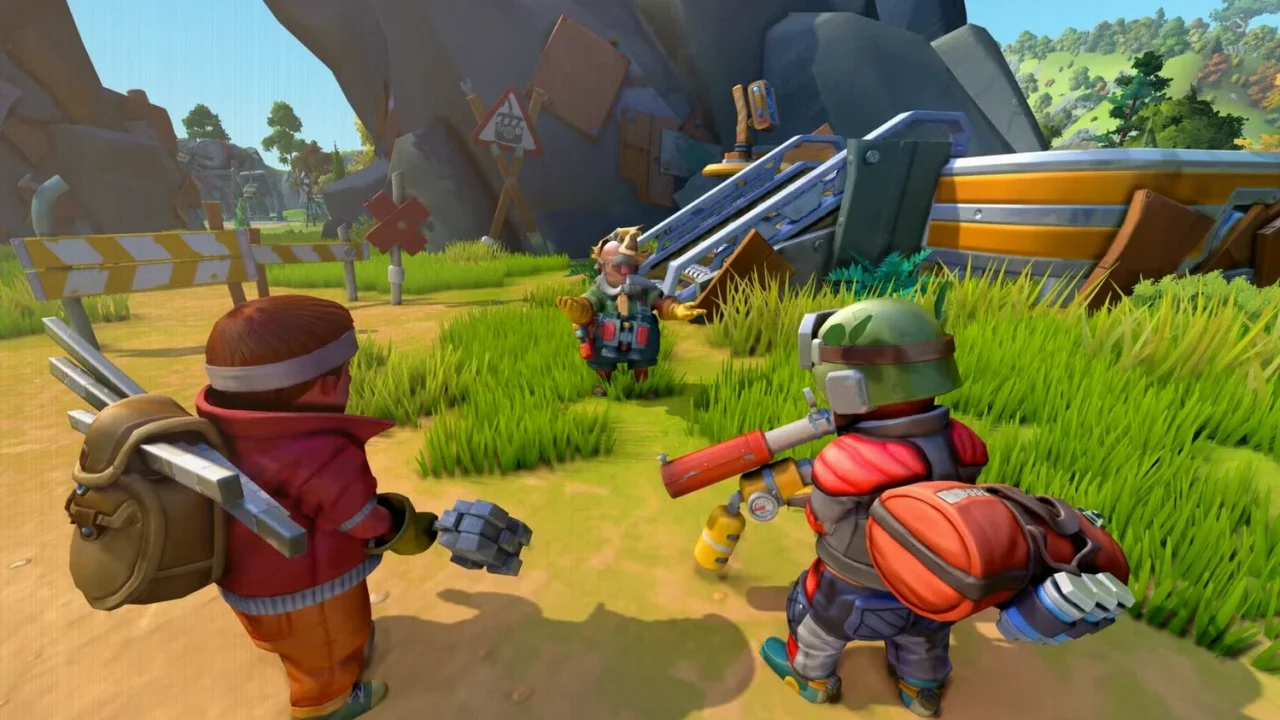
If you’re deciding whether to jump into Scrap Mechanic now, the Steam 1.0 launch is the clearest signal yet: the game is landing with overwhelmingly positive sentiment, and the new update expands the Survival experience alongside fresh tools, combat, and world changes. Here’s what’s new, who it’s for, and why the early momentum matters.
What changed with the Scrap Mechanic 1.0 release
Scrap Mechanic has officially launched into version 1.0 on Steam, and it arrived with “Very Positive” reviews on the platform. The update is positioned as the biggest the game has received so far, built on years of iteration that began with its Early Access debut in January 2016.
At the core of 1.0 is a deeper Survival experience. Survival mode now includes a full story from start to finish, and the world has been expanded with new areas and growlabs to explore. Terrain generation has also been reworked, aiming to change how the environment feels as you progress.
Alongside those foundational changes, 1.0 adds new building parts and new enemies. A standout addition is the Claygun, a new weapon that lets players shape nearby terrain—an especially impactful tool in a physics-driven sandbox where your creations frequently determine how you survive, explore, and fight back.
Finally, the update brings quality-of-life and presentation improvements: Steam Achievements have been added, and the game received a broad visual overhaul featuring a new dynamic lighting and weather system.
Who Scrap Mechanic is for—and what gameplay looks like
Scrap Mechanic is a co-op survival sandbox where players explore a dynamically generated open world, build vehicles and bases, and gather resources by farming and drilling underground. Combat is also part of the loop, with players facing dangerous, haywire robots.
The game’s defining mechanic is that everything is physics-based. That means vehicle design and construction choices matter in practical ways: builds aren’t just cosmetic, they influence how you move, how you handle situations, and what kinds of interactions you can create.
Players can choose between three modes: Creative, Challenge, and Survival. The modes are designed to offer different ways to approach the same sandbox—whether you’re focused on building freely, testing yourself, or following a more structured Survival progression.
Why the launch momentum matters for Axolot Games (and your next move)
The reception is already strong at scale. Across more than 46,000 Steam reviews, 90% are positive, and that figure rises to 91% when looking specifically at more recent reviews. That suggests the game’s full-release experience is holding up after the Early Access era.
Momentum is also visible in player activity. Since launch, Steam player counts have surged, including a 24-hour peak of 35,169 players at the time of reporting. That peak is the second-highest in the game’s history, behind a May 2020 high of 46,643 players when Survival Mode was first introduced.
For potential players, this is the practical takeaway: if you’ve been waiting for the “real” 1.0 version, the update is the first major step that combines a completed Survival arc with a larger set of systems and presentation changes. If you’re already familiar with the Early Access build, 1.0 is the moment to re-check the game—especially for the Claygun, the Survival story, and the expanded world.
What players should know before launching Scrap Mechanic 1.0
- Expect physics-driven co-op building where vehicle and base design directly impacts survival and combat outcomes.
- Survival mode now includes a full story and added exploration areas, including new growlabs.
- Terrain shaping via the Claygun is a major new gameplay lever for both exploration and problem-solving.
- The update adds new enemies, new building parts, and Steam Achievements.
- The game runs on PC and supports both single-player and co-op, with three modes overall: Creative, Challenge, and Survival.
Expert View
Scrap Mechanic’s 1.0 launch looks like more than a version bump—it’s a culmination of long-form development that’s now paying off in both review sentiment and player engagement. The game’s physics-first sandbox identity is a hard sell for some players, but for builders and co-op survival fans, the expanded Survival story and the Claygun’s terrain interaction make a strong case to jump in now rather than wait.