Ethan Crossfield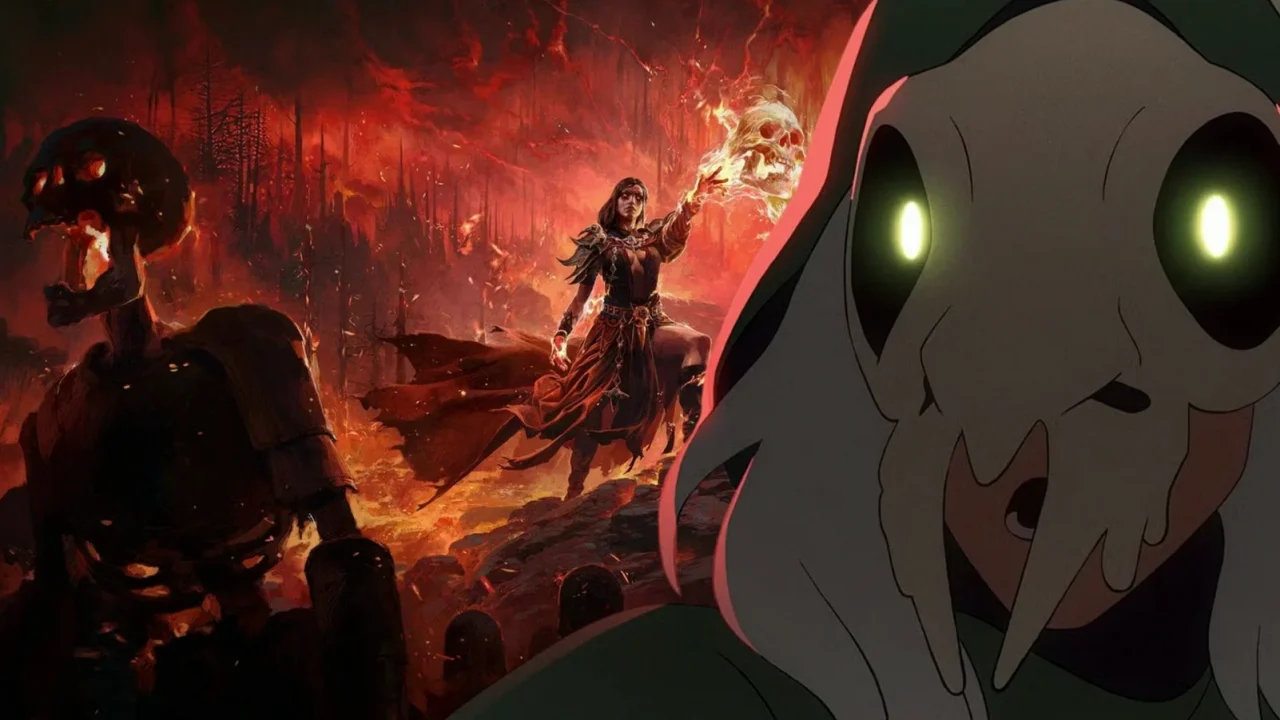
Shards of Order is attracting attention on Steam by combining two very different RPG strengths: the build complexity of Path of Exile and the tactical deckbuilding associated with Slay the Spire. Its dark-fantasy campaign uses a shared deck for three heroes, while a time-based combat system replaces the turns and mana found in many card games. The result is an RPG that asks players to plan both their long-term character builds and every move in a fight.
What Happened
Shards of Order puts players in charge of a party of survivors traveling through a dangerous world populated by cultists, undead creatures, dragons, and other threats. Combat is card-based, but the game does not follow the usual turn structure of a deckbuilder. Each card costs time, and players have a limited window to act before enemies respond.
The party includes three main heroes, each with their own cards. Those cards are placed into a shared deck, creating an important trade-off: adding more options for one character can reduce the chance that another hero draws something useful at the right moment. Players can build around one dominant hero, divide attention evenly, or create a two-character focus while accepting that the third may contribute less often.
Why It Matters
The appeal for Path of Exile fans goes beyond the combat system. Shards of Order includes character customization, skill trees, equipment management, dialogue choices, and skill checks. Its progression systems offer the kind of layered decision-making associated with complex action RPG builds, while its exploration allows players to decide where to travel and which encounters to pursue.
Slay the Spire players will recognize the importance of deck construction, hand management, and making the most of limited opportunities before the opponent acts. However, Shards of Order is not presented as a roguelike, so its similarities are centered on strategic card play rather than a direct reproduction of that structure.
The game has also earned an 89% Very Positive rating on Steam, according to the source material. That reception follows strong interest during its beta and gives the project an encouraging early position among the platform’s many indie RPG releases.
What to Watch Next
The key question is whether Shards of Order’s systems remain understandable as players gain more cards, gear, and skill-tree choices. Its shared deck could create meaningful party-building puzzles, but it also means that a poorly balanced deck may leave the wrong hero without an answer when the time counter is running down.
Players should also watch how the game’s exploration decisions connect to progression. Equipment, cards, dialogue outcomes, and skill checks all provide ways to shape a run through the dark-fantasy world. If those choices consistently influence combat and party development, Shards of Order could distinguish itself from both conventional RPGs and familiar deckbuilders.
Key features for players to know
- Three heroes contribute cards to one shared deck, making party composition part of deckbuilding.
- Cards consume time instead of mana, and enemies act when the player’s window closes.
- Skill trees, equipment, dialogue choices, and skill checks expand the RPG progression.
- Exploration includes decisions about destinations and which enemies to face.
- New cards and gear support different builds for individual heroes or the entire party.
Expert View
Shards of Order has a strong central idea because its inspirations are connected through decision-making rather than branding alone. The shared deck gives the party system a real cost, while the time counter could make each hand more urgent than a standard turn-based battle. Its biggest challenge will be presenting that complexity clearly, but the early Steam reception suggests the formula is already resonating with players who want a deeper RPG deckbuilder.