Ethan Crossfield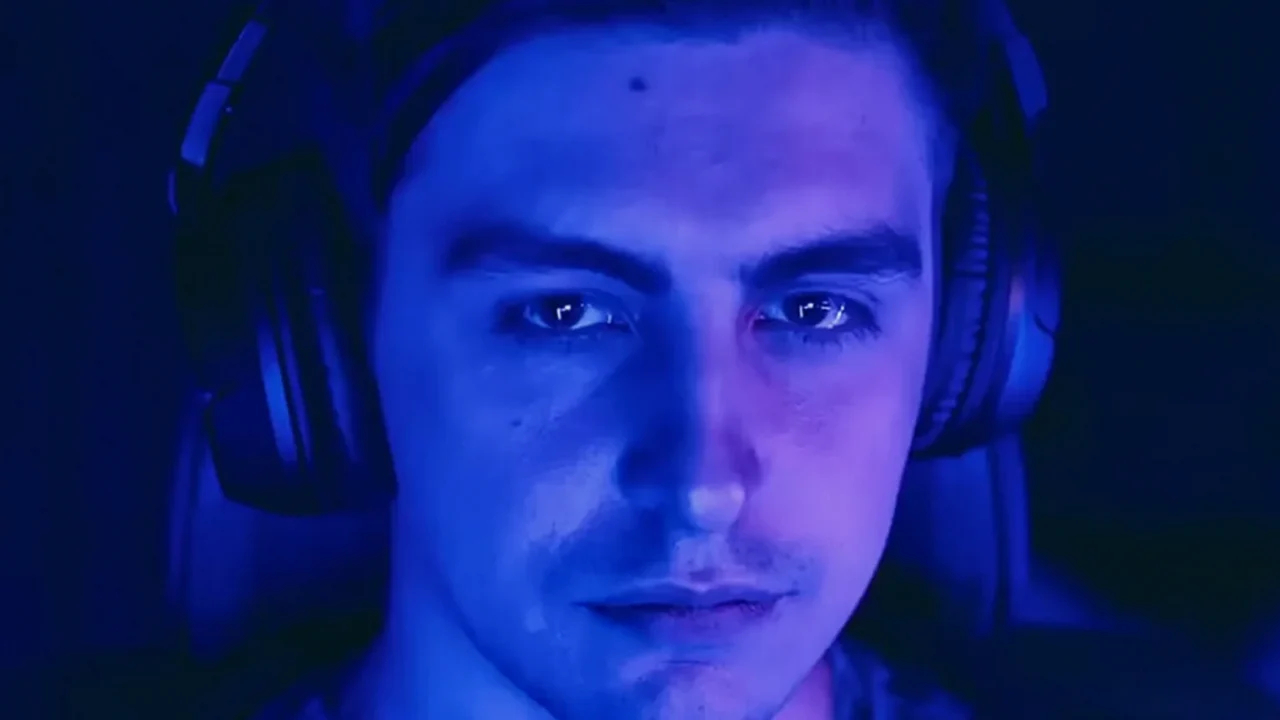
Michael "shroud" Grzesiek says Twitch feels less social in 2026, arguing that slow-moving chats can make streaming emotionally difficult even when a channel still attracts hundreds of viewers. His comments highlight a creator-experience problem that audience totals alone cannot measure, while recent platform data makes broader claims about Twitch's decline harder to support.
What Happened: Shroud Criticizes Twitch's Quieter Chats
During a recent broadcast, Shroud compared channels drawing approximately 200 to 400 viewers today with streams of a similar size from about a decade ago. In his view, chats that once moved constantly now contain many more silent viewers. That difference is especially noticeable for smaller and mid-sized creators, whose broadcasts may not have enough active participants to create a steady sense of conversation.
Shroud's criticism is rooted in the social design of livestreaming. A streamer can see a substantial viewer count while receiving little visible reaction, making the audience feel distant despite its size. Larger channels may hide that effect because enough people continue typing, but creators below that scale can experience the silence more directly. Shroud has also argued earlier in 2026 that creators increasingly need YouTube videos, TikTok clips, and other off-platform work to gain attention, rather than relying on Twitch alone.
Why It Matters: Quiet Chats Do Not Prove Twitch Is Dying
Shroud's experience carries weight because he has spent years among Twitch's most prominent creators. The platform once blocked one of his attempted raids because his audience was larger than the feature could support. However, his comparison between past and present chat activity has not been independently confirmed by a study measuring messages or chatters per viewer across comparable channels over the last decade.
Twitch also separates several audience measurements. Its analytics distinguish unique viewers, unique chatters, chat messages, and users present in chat. Someone can watch without posting or connecting to chat, while appearing in a chat does not automatically mean that account is counted as a viewer. As a result, a channel showing roughly 300 viewers and limited conversation is not, by itself, evidence of viewbotting or a platform-wide change in audience behavior.
The broader numbers offer a useful counterpoint. Streams Charts recorded more than 1.56 billion hours watched on Twitch in August 2026, with average viewership above 2.14 million. September fell to more than 1.47 billion hours watched, but those totals do not resemble an obvious collapse in overall demand.
What to Watch Next: Engagement May Matter More Than Reach
The important question is not simply whether Twitch can attract viewers. It is whether creators can still turn those viewers into an active community without expanding their workload across several platforms. Twitch's continued audience strength may coexist with a weaker sense of participation in smaller channels.
Fans should therefore treat Shroud's observation as a meaningful warning about community quality, not as definitive proof of declining viewership or widespread artificial traffic. Future comparisons would need transparent data on chat activity alongside viewer counts, ideally across channels of similar size and over multiple years. Until then, the platform's health is best judged through both its large-scale reach and the experience of the creators operating below the top tier.
Key takeaways
- Shroud says channels with 200 to 400 viewers can feel less interactive than similarly sized streams did years ago.
- Quiet chat activity may affect smaller creators more severely than major streamers with large typing audiences.
- Viewer counts, unique chatters, messages, and users in chat are separate Twitch metrics.
- A slow chat is not enough to establish viewbotting or prove that Twitch is losing its audience.
- August and September 2026 viewing totals show strong platform reach, even if they reveal little about community quality.
Recent Twitch viewing figures
| Month | Hours watched | Additional source detail |
|---|---|---|
| August 2026 | More than 1.56 billion | Average viewership above 2.14 million |
| September 2026 | More than 1.47 billion | Lower than August |
Expert View
Shroud's strongest point is not that Twitch has lost its audience, but that raw reach can conceal a poorer experience for the creators who keep smaller communities alive. Twitch can post powerful viewing totals while becoming less conversational at the channel level. That tension deserves more attention than another simplistic argument about whether the platform is thriving or dying.