Ethan Crossfield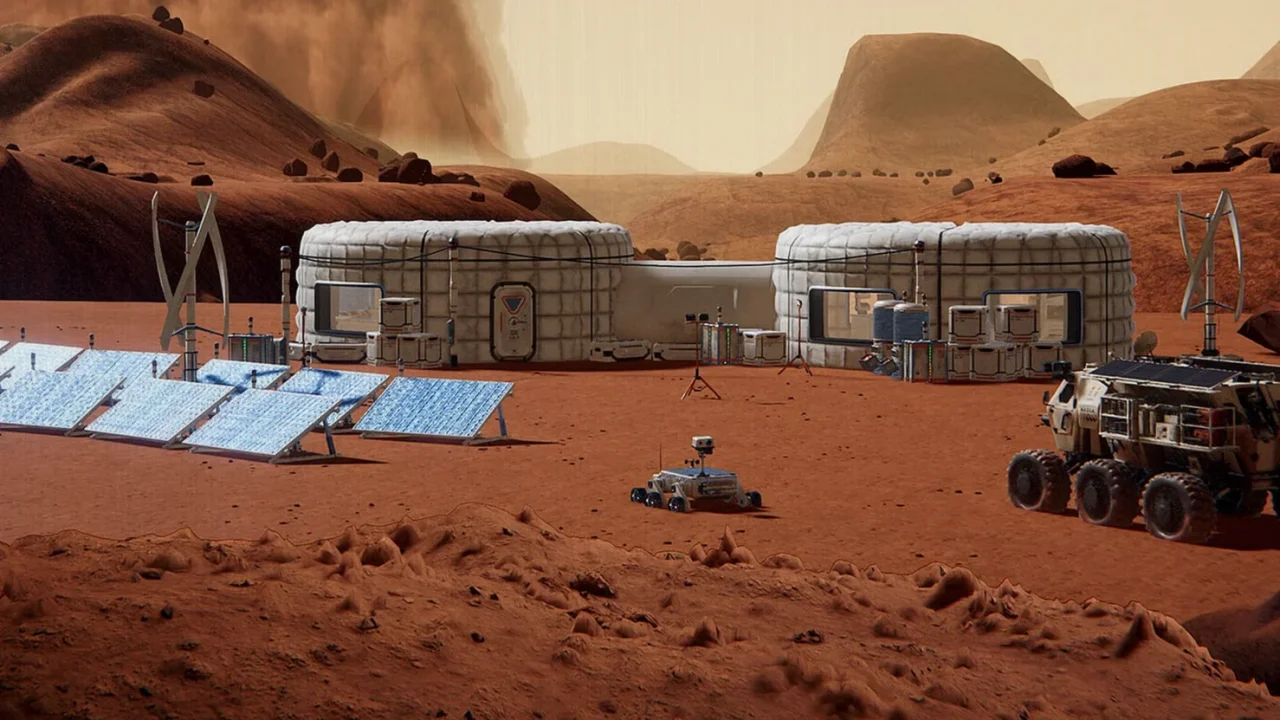
If you’re waiting for the next factory-and-exploration survival loop, Sol One is aiming straight at that sweet spot. The Steam Early Access launch arrives July 30, dropping players alone on Mars with a familiar checklist: survive first, then build, automate, and work toward a rocket escape.
What’s new with Sol One (and why it stands out)
Sol One is an upcoming open-world survival-crafting game that blends several popular survival staples into one package: open-world exploration, automation, and base building. The pitch is built for players who enjoy the “do everything over time” progression of factory games and the slow transformation of a hostile environment.
The core setting is Mars, and that choice shapes both the tone and the gameplay priorities. Instead of purely aiming to keep a base alive, the game frames progression around expanding outward to find materials and opportunities beyond the safety of your growing outpost. It’s also designed around a clear end goal: eventually constructing a rocket capable of leaving the Red Planet.
While the game’s structure will feel familiar to fans of Satisfactory and The Planet Crafter, the source describes it as more grounded than The Planet Crafter, with a more refined objective. It also borrows the resource-management vibe you might associate with Subnautica, applied to a Mars survival context.
Who should care: the Satisfactory and Planet Crafter crowd
Sol One is positioned as a middle ground for players who like automation and long-term base growth, but also want exploration to matter. The gameplay loop starts with basic survival, then expands into increasingly advanced machinery and automated production systems as your base grows across Mars.
The game’s emphasis on progression is central to its appeal. Players are expected to gather resources to stay alive and expand their operation, unlock new technologies through research, and build and customize a planetary base that grows over time. Automation is not just a side mechanic—it’s part of how you scale, shifting you from manual gathering toward systems that produce resources and support larger construction projects.
Mars is also presented as the main driver for discovery. The world hides valuable resources and new opportunities outside your base, meaning exploration is tied directly to your ability to progress.
What comes next after launch on Steam Early Access
Sol One launches in Steam Early Access on July 30. The source expects Early Access progress to be slow because the game is made by a solo developer. That matters for players deciding whether to jump in immediately: you can expect development to evolve over time, rather than a polished “complete game” experience.
Still, the roadmap goal is straightforward: develop from a crash-landed outpost into a self-sustaining operation, then push far enough into the tech tree to build a rocket and escape Mars. For players who are always looking for the next survival game to keep an eye on, the combination of automation-driven progression and a Mars-focused survival narrative is the hook.
In short, Sol One is trying to deliver a recognizable genre formula—survive, build, automate, explore—while using Mars and a rocket escape objective to give it a distinct identity.
What players should know
- Steam Early Access is scheduled for July 30.
- You begin alone on Mars after a catastrophic crash.
- Progression centers on surviving, researching, expanding your base, and automating production.
- Exploration is tied to finding new materials and opportunities beyond your outpost.
- The long-term objective is building a rocket to leave the planet.
- Early Access development may move slowly due to solo development.
Expert View
Sol One looks like a smart pitch for players who want the factory-and-automation satisfaction of Satisfactory without losing the survival urgency that drives exploration. The Mars setting and the rocket escape goal provide a clearer through-line than many open-world survival sandboxes. The downside is also baked in: with a solo developer and slow Early Access cadence, it’s best approached as a long-term watchlist candidate unless you’re specifically excited to grow with the game.