Ethan Crossfield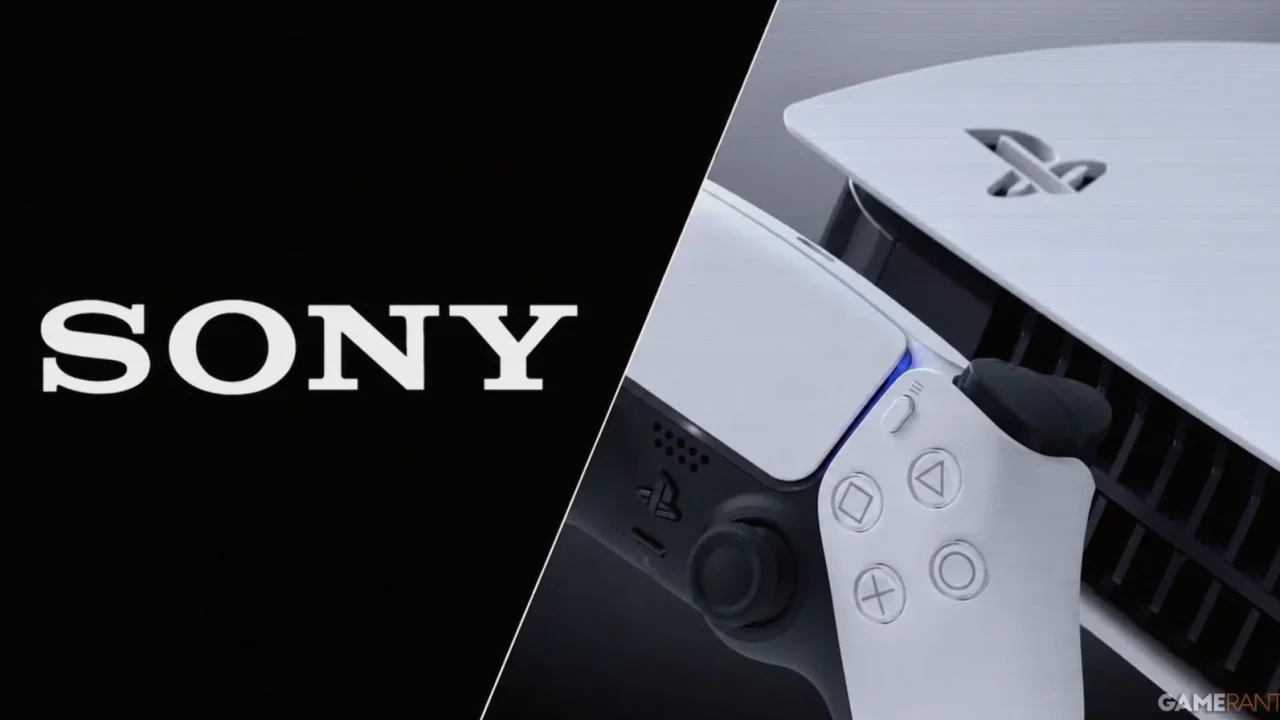
Digital distribution has become central to the modern games business, reshaping how players buy, access, and keep their libraries. Sony has now offered its first official response to the backlash over PlayStation’s move away from physical software, but the statement confirms rather than reverses the company’s plans. Physical production for new PlayStation games is still scheduled to end in January 2028.
Sony Says the Digital Shift Is Moving Forward
Speaking during Sony’s FY2026 earnings call on July 31, CFO Lin Tao explained that the company had considered several factors before deciding to end physical game production. The continued digitization of entertainment was identified as the biggest influence, with Sony viewing the transition as part of a broader change affecting multiple forms of media rather than a decision limited to PlayStation.
Sony reportedly spent significant time evaluating the platform’s future before deciding to proceed carefully with the change. That wording may sound cautious, but it does not indicate that the company is abandoning the January 2028 target. Based on the response, Sony intends to manage the transition rather than reconsider its direction.
Once the plan takes effect, new games released on PlayStation consoles will be sold digitally through the PlayStation Store or participating retailers. The announcement has already prompted strong criticism from fans, including boycott efforts and sustained discussion across social media.
Financial Results Explain Sony’s Position
Sony’s latest sales figures provide a clear financial reason for the shift. During the quarter ending June 30, 2026, digital downloads accounted for 82% of full-game unit sales across PS4 and PS5. Physical software revenue reached approximately $128 million, while digital software generated $1.2 billion.
Add-on content brought in another $1.83 billion during the quarter, and PlayStation network services—including PS Plus subscriptions and advertising—generated an additional $1.3 billion. Those figures show why Sony sees digital distribution as the stronger long-term business model, even if the move creates significant frustration among players who prefer physical ownership.
Collectors Still Want Answers
Tao acknowledged that Sony has received strong and varied reactions from the PlayStation community. She also recognized that physical games can be tied to personal memories and that collections have emotional value. Sony says it will continue considering how to connect with players who care about those experiences within a future digital ecosystem.
However, the response did not resolve the practical concerns driving much of the backlash. Sony has not explained how players might exchange or gift digital games, what protections would exist if a title were removed from the PlayStation Store, or how the company plans to serve collectors who want tangible libraries. It also did not address concerns about resale or the influence of digital distribution on pricing.
For now, the official message is one of understanding without a change in policy. Sony appears to recognize why physical media matters to its audience, but that recognition will not prevent the planned transition.
Key points
- Physical production for new PlayStation games is scheduled to end in January 2028.
- Sony says digital growth across entertainment influenced the decision.
- Digital downloads represented 82% of PS4 and PS5 full-game unit sales in the reported quarter.
- Questions about gifting, resale, preservation, and removed games remain unanswered.
PlayStation software revenue reported for the quarter ending June 30, 2026
| Category | Reported figure |
|---|---|
| Digital full-game software | $1.2 billion |
| Physical software | Approximately $128 million |
| Add-on content | $1.83 billion |
| PlayStation network services | $1.3 billion |
Expert View
Sony’s decision signals that the console market is treating digital distribution as its financial default, even when a substantial part of the community values ownership and collecting. For players, the key issue is no longer whether the transition is happening, but whether Sony will build credible systems for preservation, gifting, access, and consumer choice before the 2028 deadline. If those questions remain unresolved, the company’s digital strategy could deepen the divide between its strongest commercial incentives and the expectations of its most committed fans.