Ethan Crossfield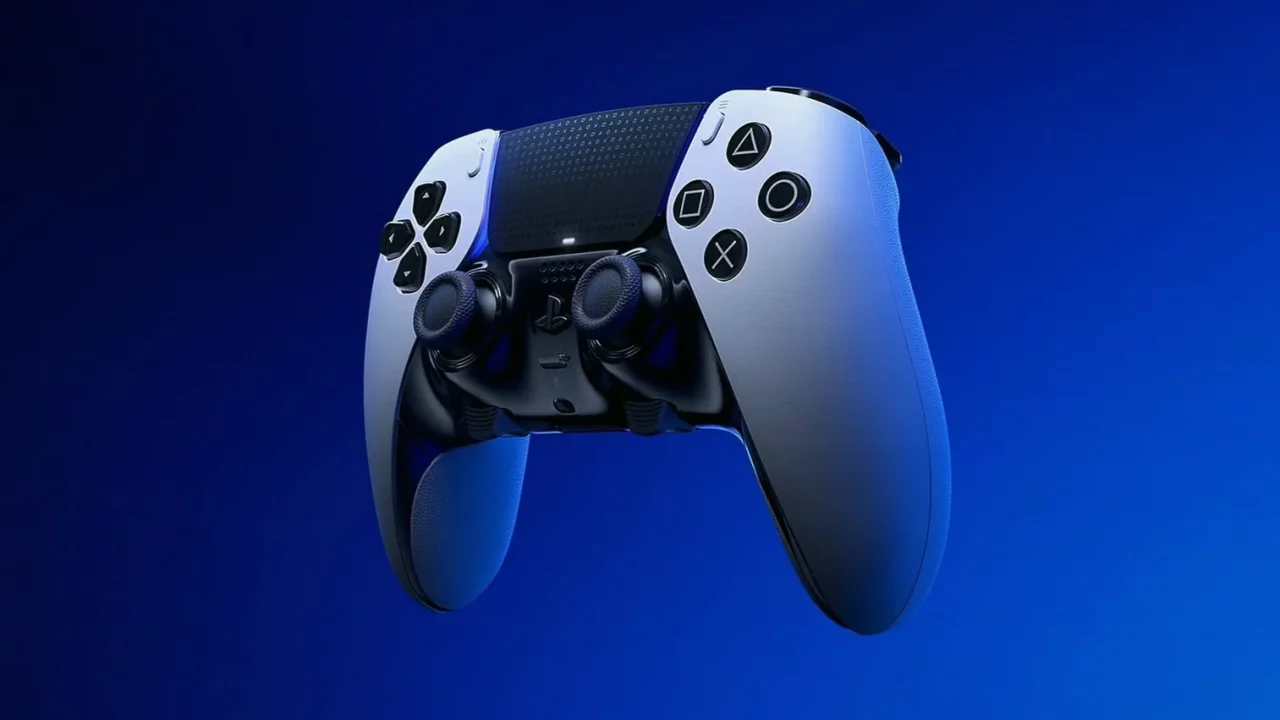
Sony has filed a patent for PlayStation controller buttons designed to change their physical feel based on what’s happening in a game or app—an idea that could meaningfully shape the next wave of controller tech.
What happened
Sony’s latest patent application centers on controller buttons that can alter their properties—potentially hardening or softening—depending on context. The company has not announced any new controller hardware built around the concept, but the filing lays out multiple technical routes for making a button’s resistance variable.
The patent describes methods that could adjust how much force is needed to press a button. One approach involves using an elastomer paired with magnets integrated into the button. Another uses membranes filled with a fluid-like substance to create a similar effect. The filing also notes practical concerns: fluid-membrane designs may face durability and longevity challenges, which could limit how likely the technology is to appear in consumer products.
Sony also outlines a more specific interaction model: buttons that can effectively “tighten” around a player’s finger. The intended use is to simulate situations where a character is stuck and needs more force than normal to move or regain control—something that would extend beyond the current feel-based feedback that players already associate with DualSense adaptive triggers.
Why it matters
The timing of this patent matters because PlayStation’s controller identity has already been shaped by context-aware haptics. With the DualSense controller on PS5, Sony introduced adaptive triggers that can add resistance during actions like firing weapons in supported games. The DualSense Edge then built on that philosophy with customization features such as extra back buttons and swappable thumb sticks.
This new patent suggests Sony may want to broaden that “context changes the feel” approach from triggers to buttons themselves. If executed, it could let more in-game states communicate through the hands—turning common button presses into a richer channel for feedback.
It also lands in an interesting place relative to Sony’s prior controller experimentation. The source indicates Sony previously filed for deformable buttons connected to an interlocking grid using flexible shafts, which could be pinched, twisted, or pulled. However, despite the existence of a PlayStation accessibility controller kit for players with disabilities, Sony has not released controllers using that interlocking grid concept. That gap is a reminder that patents are not roadmaps—and not every inventive filing makes it into shipped hardware.
What to watch next
Sony’s patent was filed in November 2024 and later published in May 2026, meaning it’s already moved through parts of the process—but there’s still no confirmation it will influence any upcoming console or controller release. The source notes that even with the PS6 still in active development, Sony has kept details limited, so it remains unclear whether adaptive-feel buttons could arrive on a future PlayStation platform.
What’s most likely is that Sony will keep iterating on the underlying idea that players should feel game states through hardware. Given that adaptive triggers were a hit, the company may pursue similar principles elsewhere in the controller—either through button resistance changes or other tactile effects tied to gameplay.
Practical takeaways
- Expect Sony to keep exploring context-aware haptics beyond triggers, even if this specific button design never ships.
- Variable-force buttons could make certain gameplay states—like being “stuck”—more readable through touch.
- Durability is a key risk area for fluid-based button mechanisms, according to the patent filing’s own concerns.
- Patents don’t guarantee consumer hardware, so treat them as signals of direction, not confirmed features.
- If Sony expands adaptive-feel tech, competitive controllers may need to match more than just customization—they’ll also need richer tactile feedback.
| Controller feature mentioned | What it does (per source) |
|---|---|
| DualSense adaptive triggers | Add resistance based on game context (e.g., firing weapons in supported games) |
| DualSense Edge customization | Offers extra back buttons and swappable thumb sticks for user preferences |
| Proposed adaptive buttons (patent) | Buttons can harden/soften by changing physical properties based on context; may simulate needing more force to move |
Expert View
Sony’s patent reads like a natural escalation of what players already associate with PlayStation—haptics that react to gameplay rather than just vibrating on a timer. If Sony can solve the durability trade-offs described in the filing, adaptive-feel buttons could make the controller feel like part of the game’s physics. For the scene, that’s more than novelty: it could shift how developers design interaction states and how esports players learn to interpret feedback. But until Sony turns a patent into shipped hardware, the biggest takeaway is directional—Sony is still investing in making touch feedback do more work.