Ethan Crossfield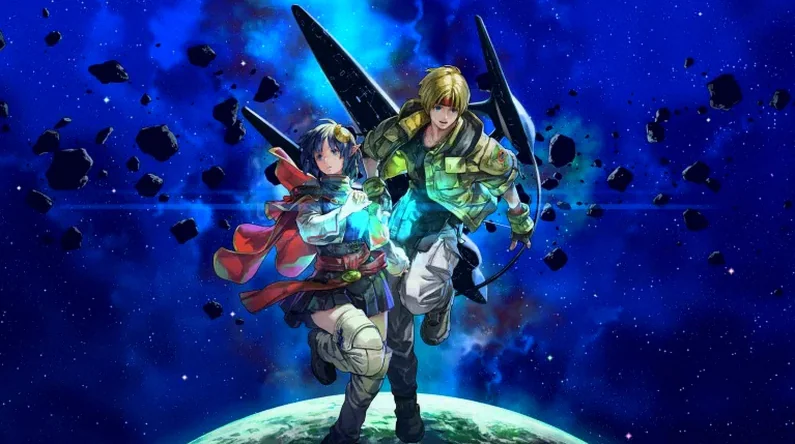
Square Enix has surprise-released a Nintendo Switch 2 version of Star Ocean: The Second Story R, and while it promises a notable performance bump, it also repeats the company’s usual approach to platform re-releases—no upgrade path and no save transfer. For players who upgraded to Switch in the first place, this matters because it signals how Square Enix intends to monetize the next Nintendo generation.
What happened
Star Ocean: The Second Story R originally launched on Nintendo Switch (alongside PlayStation and PC) in 2023. This week, Square Enix added a Nintendo Switch 2 edition, positioning it as a clear step up from the original Switch release. According to the announcement, the Switch 2 version targets 1080p resolution in both docked and handheld modes, paired with a 60 FPS frame rate.
That performance profile is framed as a major improvement over the original Switch version’s significantly lower resolution and a 30 FPS target. The release also comes with “the usual caveats,” matching the restrictions Square Enix has used for other Switch 2 editions announced earlier in the week—specifically Octopath Traveler and Octopath Traveler II.
Those caveats include pricing and account-level continuity: players need to pay $49.99 to play on Switch 2, there’s no upgrade path for owners of the Switch 1 version, and save data does not transfer between systems.
Why it matters
The headline improvement here is straightforward: higher resolution and a doubled frame rate target. For fans who care about smoother combat pacing and overall presentation, the Switch 2 edition is the first time Star Ocean: The Second Story R is being positioned with a more ambitious technical target.
But the bigger story is commercial. By requiring a full purchase and blocking save transfer, Square Enix is effectively asking players to pay again to continue (or restart) the same experience on new hardware. The source characterizes this as part of a disappointing trend—one that expects players to spend more money to play something they already own.
The comparison to Nintendo’s own practices is also telling: the source notes that Nintendo itself has supported low-cost upgrade paths for at least some games, citing The Legend of Zelda: Tears of the Kingdom as an example. In that context, Square Enix’s approach looks less player-friendly, especially for players who might have invested in the Switch version and assumed continuity would follow them to the next console.
What to watch next
Star Ocean: The Second Story R is available on PlayStation 5, PlayStation 4, Switch 2, Switch, and PC. Square Enix has now demonstrated that Switch 2 editions can deliver meaningful performance upgrades—but also that they may arrive with the same purchase barriers.
With Switch 2 re-releases continuing to appear, players should watch for two things going forward: whether any future Square Enix releases offer upgrade options or save migration, and whether performance gains consistently justify paying the full price. For now, the immediate question is simple—who among Switch owners is willing to buy again for the 1080p/60 FPS target, and who will wait for a more forgiving policy?
Takeaways for players
- Switch 2 owners can expect a technical uplift: 1080p in both docked and handheld, plus a 60 FPS target.
- Switch 1 owners should not assume continuity—there’s no upgrade path to Switch 2.
- Save data won’t transfer, meaning progress may need to be restarted on the new system.
- The Switch 2 edition costs $49.99, matching the pattern used for other recent Square Enix Switch 2 releases.
- If you’re deciding whether to rebuy, weigh performance gains against the cost of starting over.
Expert View
Square Enix’s Switch 2 pitch for Star Ocean: The Second Story R is a familiar split: real performance improvements on one side, and friction-heavy monetization on the other. The 1080p/60 FPS target sounds like the kind of upgrade players usually welcome, but the lack of an upgrade path and the absence of save transfer effectively forces a “buy again” decision. If Square Enix wants broad goodwill on the next Nintendo platform, it will need to pair technical gains with policies that respect player investment—something the source suggests Nintendo has been willing to do.