Ethan Crossfield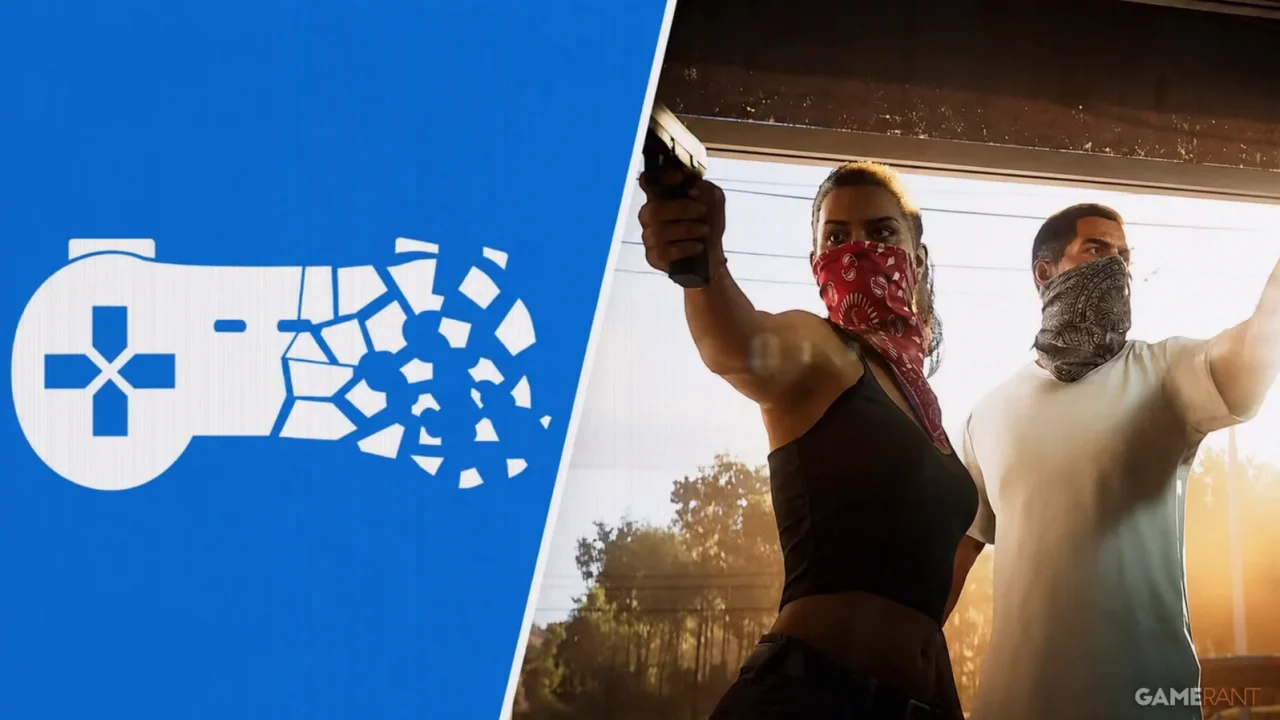
The debate over digital ownership and game preservation has become increasingly important as publishers rely on online services and download-based releases. That debate now surrounds the latest Grand Theft Auto 6 leak controversy, but Stop Killing Games is drawing a clear line between legitimate consumer concerns and the methods used by the alleged leakers.
Why Stop Killing Games Became Connected to the Leaks
The movement was pulled into the discussion after the group claiming responsibility for the GTA 6 footage cited concerns that overlap with Stop Killing Games' goals. Those arguments reportedly included opposition to digital pre-orders and the belief that single-player games should remain usable after online support ends.
Stop Killing Games has campaigned for legal protections that would prevent purchased games from becoming permanently inaccessible when publishers close the servers required to run them. Its efforts have focused on petitions, lawsuits, and government action rather than unauthorized releases. The controversy also touches on GTA 6's ownership model, since Rockstar has confirmed that it does not plan to produce playable disc copies of the game.
Movement Condemns Illegal Methods and Fundraising
In a social media statement, Stop Killing Games avoided naming the group behind the leaks, saying that doing so would provide additional attention. The organization indicated that at least some of the footage appears genuine, pointing to Take-Two's swift copyright takedowns as evidence, while cautioning that every video or image circulating online should not automatically be treated as authentic.
Its central message was that game preservation arguments do not excuse illegal activity. Stop Killing Games argued that stolen, unfinished material can harm developers and damage the credibility of legitimate preservation campaigns. It also urged fans not to financially support the people involved, noting that cryptocurrency links and QR codes have reportedly accompanied leaked content alongside requests for money in exchange for more material.
The movement also questioned whether preservation was the primary motivation, particularly because of the promotional fundraising attached to the leaks. Rather than endorsing the campaign, it encouraged frustrated players to pursue constructive action.
GTA 6 Ownership Debate Gains More Attention
The leak controversy arrives as Rockstar's release plans are already intensifying discussions about physical media. Boxed editions containing download codes instead of playable discs have raised broader questions about what consumers own after buying a game and how those purchases can be preserved over time. These questions overlap with Stop Killing Games' concerns, but the statement separates the underlying issue from the conduct surrounding the leaked material.
The timing is also awkward for Rockstar. Grand Theft Auto 6 is scheduled to launch on November 19, and an official Extended Look is set to premiere for Netflix subscribers on August 27 before becoming available more widely. Unauthorized footage appearing ahead of planned marketing can disrupt carefully managed reveals and expose unfinished work without the intended context.
For now, Stop Killing Games' response places the movement firmly against the GTA 6 leaks, even while the incident highlights the ownership and preservation questions it wants lawmakers and publishers to address.
Key points
- Stop Killing Games says preservation concerns do not justify unauthorized GTA 6 leaks.
- The movement believes some footage appears genuine but warns that not every circulating clip is verified.
- Fans are being urged not to send cryptocurrency or money to the people promoting the leaks.
- GTA 6's download-code physical editions continue to fuel debate over digital ownership and preservation.
Expert View
The incident shows how quickly genuine concerns about digital ownership can be associated with disruptive or illegal behavior. For the games industry, that creates a reputational risk: preservation advocates may find it harder to gain public support if leak campaigns present themselves as consumer-rights activism. For Rockstar and Take-Two, the controversy also reinforces the pressure surrounding GTA 6's release strategy, physical editions, and tightly controlled promotional schedule.