Ethan Crossfield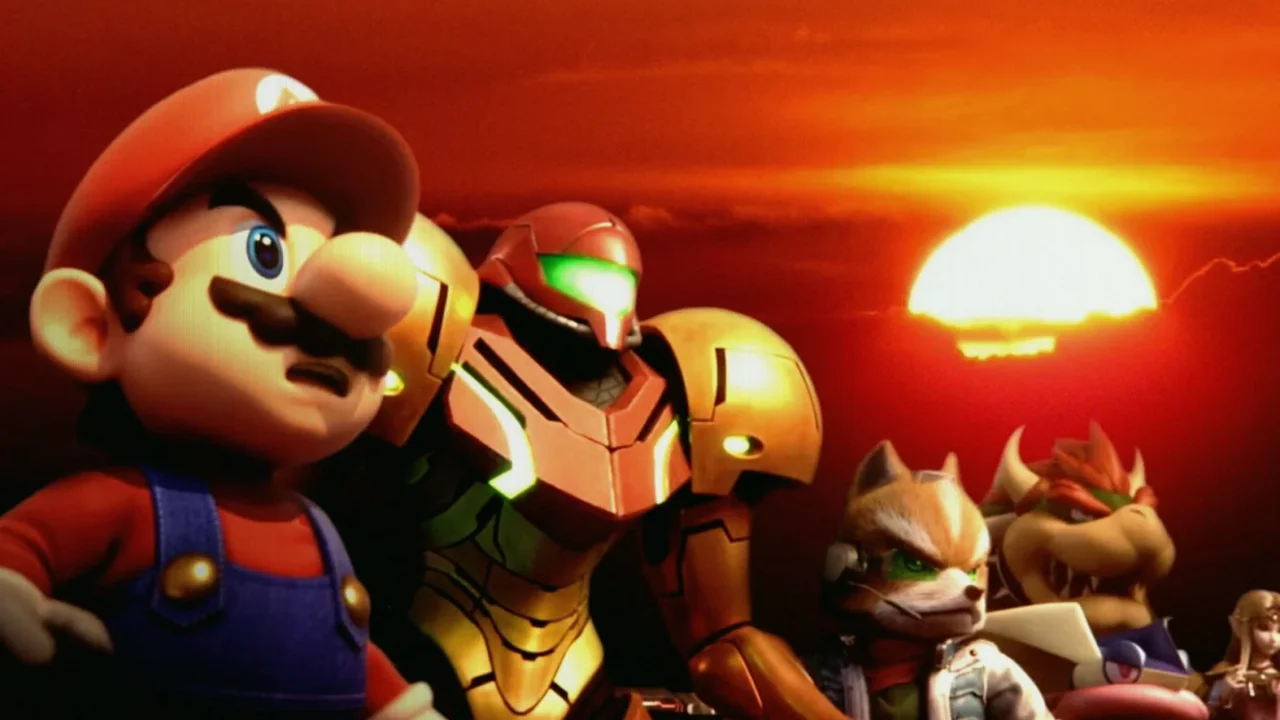
Super Smash Bros. fans have reached an unfamiliar point in the series' history: December will mark eight years since the latest game launched. That is the longest gap between mainline releases, even though Super Smash Bros. Ultimate remained active for years through major post-launch character additions. Players deciding whether to keep waiting, return to Ultimate, or watch Nintendo's announcements should treat the next game as likely but entirely unconfirmed.
What changed for the Super Smash Bros. series
Nintendo's crossover fighter began on the Nintendo 64 before Melee established itself as a landmark GameCube release and a lasting fixture of competitive play. Brawl followed on Wii with a large content offering, a story mode, and the series' first third-party fighters, including Sonic the Hedgehog and Solid Snake. The Nintendo 3DS and Wii U entries came next, followed by Super Smash Bros. Ultimate on Switch in 2018.
The release gaps have varied widely. Melee arrived two years after the original, while Brawl took seven years to follow Melee. Smash 4 came six years after Brawl, and Ultimate launched four years after the 3DS and Wii U versions. With eight years approaching since Ultimate, the franchise has now moved beyond every previous wait.
What players should know before deciding to wait
Ultimate's long lifespan makes the current gap easier to understand, but it does not make the wait feel shorter for the community. Nintendo supported the game with new fighters for three years after launch, and Sora from Kingdom Hearts became the final DLC character in 2021. That means five years have passed since the last character addition, as well as eight years since the last new release.
For players who want a Smash experience now, Ultimate remains the latest available entry and still represents the most complete snapshot of the series so far. Its roster includes every fighter from previous games and additional characters, a scale that creates an important question for any successor: will the next title preserve that breadth, or take a different approach?
What comes next for Nintendo's fighter
Nintendo has not officially announced Super Smash Bros. 6, and there are no confirmed details about its platform, roster, or release window. Some speculation suggests Ultimate could receive a Switch 2 Edition instead of being followed by a wholly new game, but the source material presents that outcome as unlikely. Every Nintendo home console since the Nintendo 64 has received a new Super Smash Bros. title, and the franchise's commercial strength gives Nintendo a clear reason to continue the series.
Rumors about the Switch 2 lineup point to Generation 10 Pokémon games, Winds and Waves, and a new 3D Super Mario game for the 2027 holiday period. If those reports are accurate, they could leave limited space for Smash that year. As a result, a 2028 release or later is possible, though it remains speculation. Until Nintendo provides an announcement, upcoming Nintendo Direct presentations are the main events for fans to monitor.
Why it matters
- December will mark eight years since Super Smash Bros. Ultimate launched, the longest gap between games in the franchise.
- Ultimate's final DLC fighter, Sora, was added in 2021, five years before the current point in the timeline.
- There is no official information about Super Smash Bros. 6, its roster, platform, or release date.
- A Switch 2 Edition has been discussed through speculation, but a new game remains the more likely direction based on the series' console history.
- The rumored 2027 Nintendo holiday lineup could push a new Smash release to 2028 or later, although no window is confirmed.
Expert View
The end of the previous release pattern is significant, but it is not evidence that Nintendo is abandoning Smash. Ultimate's unusually long support cycle explains part of the delay, while the lack of an announcement means any prediction about the next game should remain cautious. The safest conclusion is that fans are waiting longer than ever for a series Nintendo has consistently brought to its home consoles.