Ethan Crossfield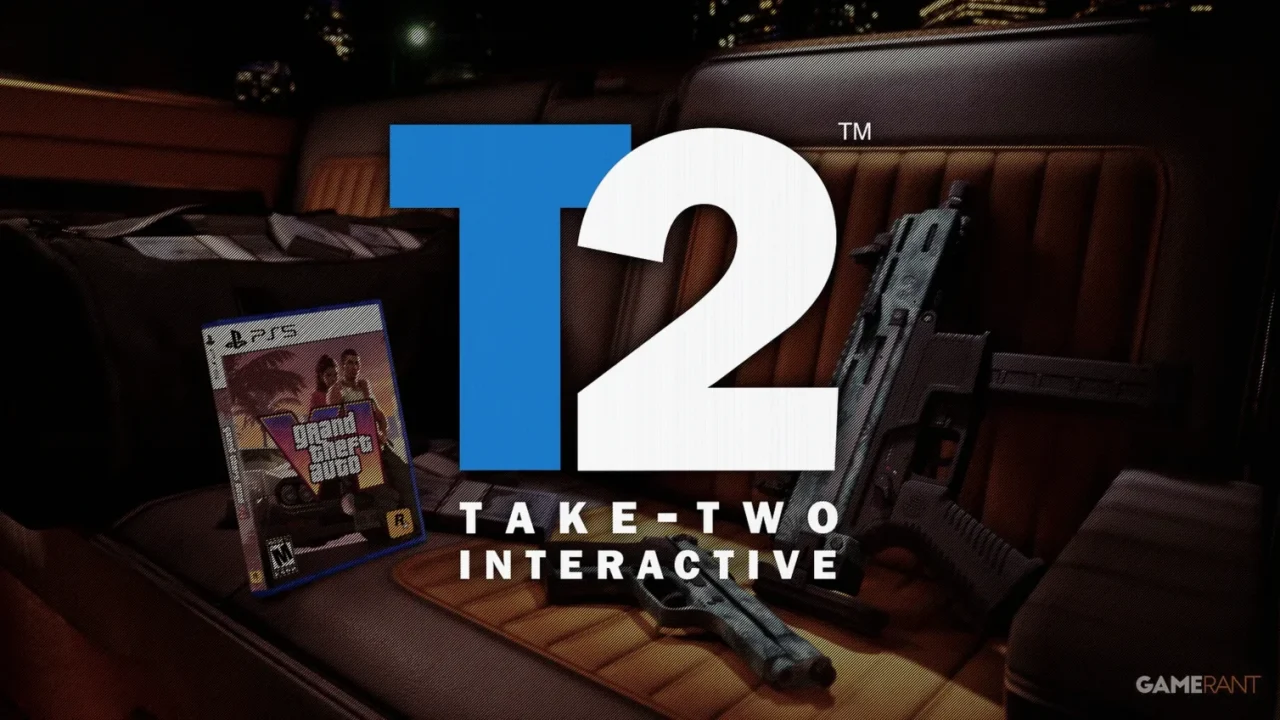
Take-Two is standing behind its decision not to give Grand Theft Auto 6 a conventional game disc, despite growing frustration among players who want physical ownership. CEO Strauss Zelnick argued that the company’s overwhelmingly digital business makes discs difficult to justify, while also suggesting that online connectivity has made downloads the more practical option for consumers.
What happened with GTA 6’s physical release
Zelnick addressed Take-Two’s approach during a question-and-answer session covered by IGN. His central business argument was straightforward: roughly 90% of Take-Two’s distribution is already digital, making a disc-based release a poor fit for the publisher’s current sales model.
The controversy is not simply about whether a box will be available in stores. According to the source, physical editions of GTA 6 are expected to contain only a code for a digital download rather than the game data on a disc. That leaves collectors with a physical package but without the offline, self-contained version many associate with owning a game.
Zelnick went beyond discussing production costs. He argued that discs do not make much sense for consumers either, because players frequently need to connect online and register accounts before they can use modern games. From Take-Two’s perspective, downloading the game is therefore more convenient when the player is already connected.
Why the decision matters to players
The publisher’s sales data may support the move from a business standpoint, but it does not resolve the concerns of physical-game supporters. Collectors value discs as permanent additions to their libraries, while preservation advocates worry about what happens if an account is lost, a license is revoked, or a digital storefront changes its policies.
Those concerns are largely separate from the question of whether downloading a game is faster or easier. A digital license can be convenient at launch, yet it may offer less certainty over long-term access than a playable disc. The source also highlights the frustration caused by Take-Two’s dismissive tone, particularly the suggestion that connected players should not care about the difference.
This places GTA 6 inside a broader industry shift. PlayStation has also faced scrutiny over physical media, and the source notes the company’s promise to end disc production by 2028. For players who see major releases as part of gaming history, the direction is more significant than one publisher’s packaging choice.
What to watch next
Take-Two has not ruled out physical releases entirely. Zelnick indicated that developers could still produce proper boxed versions occasionally, especially for smaller releases or re-releases. The company’s position is that this approach does not make sense for enormous launches such as GTA 6.
That distinction could leave room for cult classics such as Bully to receive physical editions, while the publisher’s biggest new Grand Theft Auto and Red Dead projects may increasingly be associated with digital distribution. Zelnick compared collecting game discs in the current market to collecting vinyl records, framing physical media as a specialist interest rather than the industry standard.
For fans, the next important debate may not be about stopping digital releases altogether. It may be about demanding clearer licensing rules, longer-term access, and better communication when a physical package contains only a download code.
Key takeaways for players
- GTA 6’s physical package is expected to provide a download code instead of game data on a disc.
- Take-Two says about 90% of its business is digitally distributed.
- The publisher argues that online account requirements make digital delivery more convenient.
- Take-Two may still release physical editions for smaller games or selected re-releases.
- The main unresolved issue is long-term access to digitally licensed games.
Expert View
Take-Two’s commercial reasoning is understandable, but its consumer argument is much weaker. Convenience explains why many players choose digital games; it does not erase the value of ownership, preservation, or access without a publisher’s continued permission. GTA 6 may help normalize code-in-box releases for blockbuster games, making licensing protections more important than ever.