Ethan Crossfield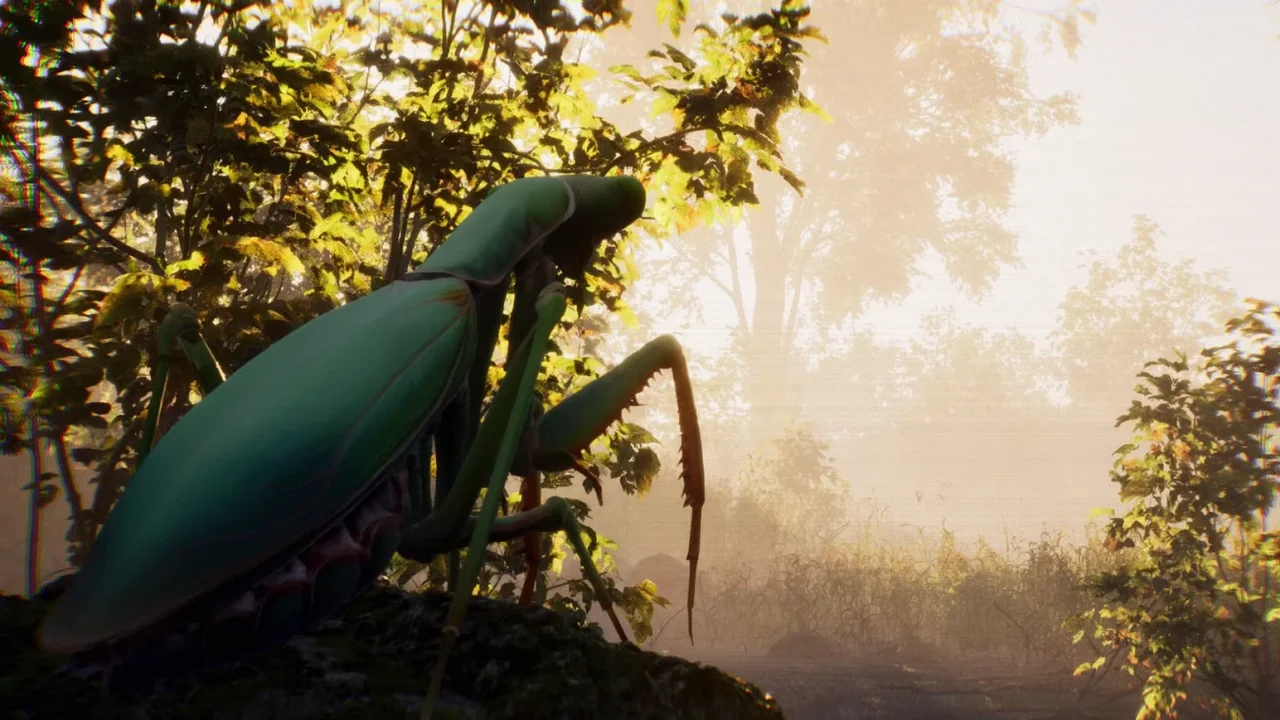
Survival games often build tension by placing familiar characters in hostile environments, but Grounded and Grounded 2 made that contrast especially memorable by shrinking human characters to insect size. The upcoming Steam game The Undergrowth takes a different route through the same broad idea: players do not control miniature people in a backyard. They play as bugs trying to survive, mature, and compete in a world shaped by wildlife and other players.
A New Perspective on the Backyard Survival Formula
Grounded 2 uses the appeal of a giant backyard as a survival sandbox, with human characters forced to adapt to threats that would normally seem small. The Undergrowth reverses that perspective. Its players begin as juvenile insects and must navigate the vulnerabilities that come with being small and underdeveloped.
The game centers on familiar survival requirements, including hunting, scavenging, finding shelter, and managing hunger and thirst. Its progression is tied to the bug’s life cycle, giving each stage different priorities instead of treating survival as a single, unchanging challenge.
From Vulnerable Juvenile to Apex Predator
The early stages of life emphasize avoidance and stealth. Juvenile bugs are presented as defenseless creatures that must remain hidden from predators capable of killing them quickly. Reaching adolescence changes the balance, allowing players to compete with other bugs for food and territory while introducing more combat-focused situations.
Adult bugs are expected to manage attributes such as strength, speed, and intelligence. The goal is to progress toward becoming an apex predator within the game’s insect ecosystem. That structure gives players distinct objectives at different points in their development, rather than relying only on equipment upgrades or base expansion.
A Larger World Built Around Competition
The Undergrowth is described as a survival MMO with a world that extends beyond a conventional backyard. Its environments include dense forests, underground tunnels, wetlands, cliffs, rivers, and hidden nests. These locations provide room for PvE threats as well as conflicts with other players.
That multiplayer focus separates the game from Grounded 2’s cooperative emphasis. In The Undergrowth, players can fight over territory, food supplies, nests, and other resources. Overhunting may reduce prey populations in important areas, while territorial creatures and rival players can seize regions. Wildlife migration and nesting patterns can also shift according to how players interact with the environment.
What Players Can Expect on Steam
The game also includes creature customization through colors, markings, patterns, and other visual traits. Cooperation may help players survive, but it is not guaranteed, making alliances more conditional than central to the experience described for Grounded 2.
The Undergrowth is still an upcoming release, so its long-term systems and final player experience remain to be established. For now, its clearest selling point is the reversal of perspective: rather than protecting humans from the bugs around them, players must survive as part of the backyard ecosystem.
Key points
- The Undergrowth is an upcoming survival MMO listed on Steam.
- Players control bugs that progress from juvenile creatures to adults.
- PvE and PvP conflicts can center on food, territory, nests, and resources.
- Its world includes forests, tunnels, wetlands, rivers, cliffs, and hidden nests.
How The Undergrowth compares with Grounded 2
| Game | Player perspective | Multiplayer focus |
|---|---|---|
| Grounded 2 | Shrunken human characters surviving among oversized threats | Cooperative survival |
| The Undergrowth | Bugs surviving and competing in their own ecosystem | PvE and PvP competition |
Expert View
The Undergrowth signals how the survival genre continues to reuse familiar settings while changing the player’s role within them. Its strongest point of distinction is not simply the insect setting, but the combination of life-stage progression, ecological consequences, and player-driven territorial conflict. If those systems work together, the game could appeal to players who want more rivalry and ecosystem pressure than a primarily cooperative survival experience provides. Its upcoming status means the community will still need more information before judging how deeply those ideas are implemented.