Ethan Crossfield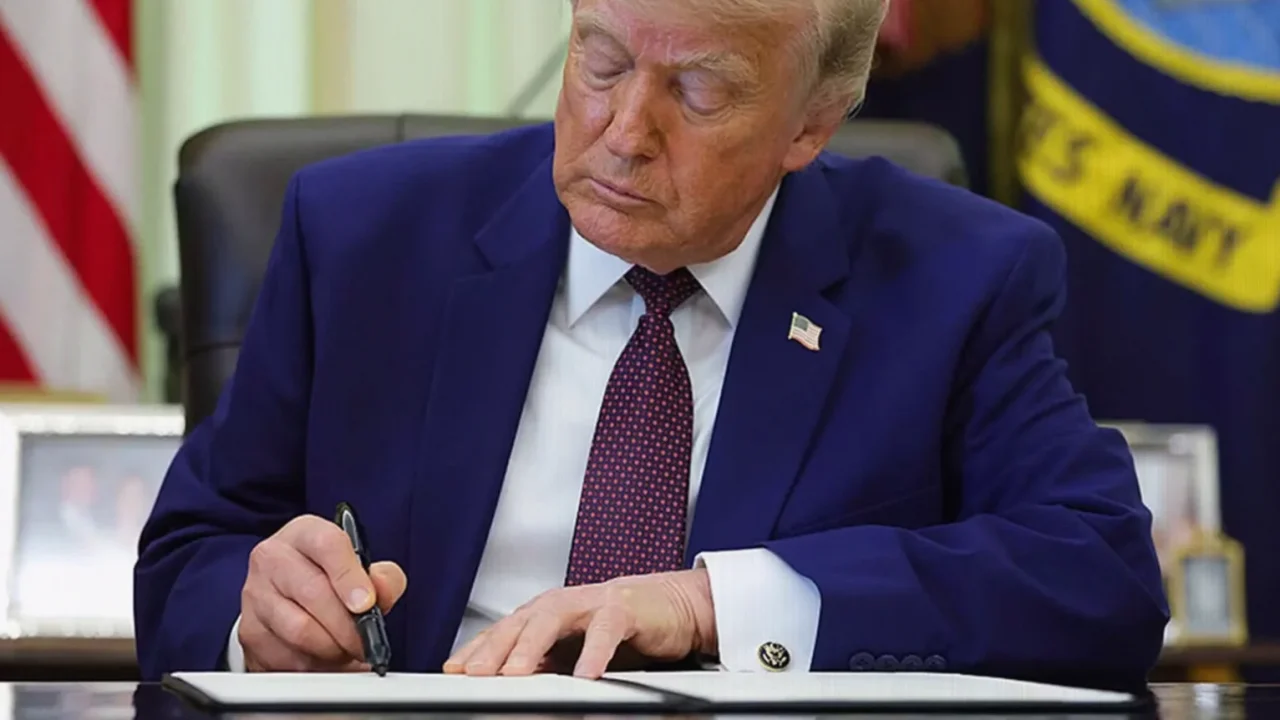
The Trump administration is reportedly considering tariffs on semiconductors and other products that rely on them, a move that could add another layer of cost to gaming hardware. U.S. buyers may face higher prices for systems such as PlayStation 5, Xbox consoles, and Nintendo Switch 2, while PC components and laptops could also become more expensive. The proposal arrives as the industry is already dealing with intense chip demand and rising hardware prices.
What happened
A report from Politico says the administration is weighing tariffs on semiconductors, with possible exceptions for companies that invest in manufacturing chips in the United States. The policy is intended to encourage domestic production rather than reliance on suppliers in countries including Malaysia, South Korea, and Taiwan.
That shift would not happen quickly. Those markets already have semiconductor infrastructure, while establishing comparable production capacity in America would require substantial time and money. Until domestic supply expands, companies could pass tariff-related costs through their products. For consumers, that could mean higher prices across consoles, computers, and other electronics.
The proposal has drawn resistance from technology companies. The industry is already competing for a limited supply of chips, partly because of heavy investment in artificial intelligence and the construction of data centers. Adding tariffs to that pressure could make hardware procurement even more difficult.
Why it matters for gaming
Console prices have traditionally fallen as manufacturing becomes more efficient and components get cheaper. That pattern has been less reliable during the current generation. The global chip shortage forced companies to compete for parts, and consumers have since watched hardware costs move upward rather than steadily decline.
Nintendo Switch 2 has already received a price increase a little more than a year after launch, while PlayStation and Xbox systems have become more expensive more than six years into their generation. Another increase would make the cost of entering or staying in the gaming market harder to manage, especially for players who also need games, subscriptions, accessories, or a capable display.
The effects could reach beyond current hardware. Sony has only discussed the PS6 in broad terms, while Microsoft has repeatedly referred to Helix as the codename for its next-generation Xbox. If semiconductor costs continue rising, both companies could face pressure to delay hardware plans or launch future systems at prices that discourage adoption.
What to watch next
The immediate question is whether the administration moves from consideration to a finalized tariff policy, and which semiconductor products would be covered. Any details about exemptions for U.S. manufacturing could significantly affect how console makers and their suppliers respond.
Consumers should also watch announcements from Sony, Microsoft, and Nintendo for changes to hardware pricing or production plans. The companies operate in different supply chains, so the impact would not necessarily be identical across PlayStation, Xbox, and Switch hardware.
AI companies and data-center operators are another important part of the story. Their demand is competing for the same broad semiconductor ecosystem, and tariffs could raise the cost of building the infrastructure supporting that growth. That creates unusual opposition to the proposal: both gamers frustrated by expensive hardware and AI advocates concerned about higher development costs have reasons to object.
Key takeaways for gamers
- Potential tariff costs could affect consoles, laptops, PCs, and other chip-dependent electronics.
- There is no confirmed new console price tied to the proposal yet.
- Current-generation hardware is already facing an unusual pattern of price increases over time.
- Higher chip costs could influence the timing and launch prices of future PlayStation and Xbox systems.
- Players planning an upgrade should monitor official manufacturer announcements rather than assume immediate changes.
Expert View
For gaming, this proposal threatens to turn an existing affordability problem into a long-term platform challenge. Console makers cannot easily replace established semiconductor supply chains, and they may have limited room to absorb new costs after years of price pressure. The biggest risk is not simply a more expensive PS5, Xbox, or Switch 2; it is a future generation that launches with a price high enough to slow adoption. Until supply expands and policy details become clear, players should expect uncertainty rather than a return to the old assumption that consoles naturally get cheaper.