Ethan Crossfield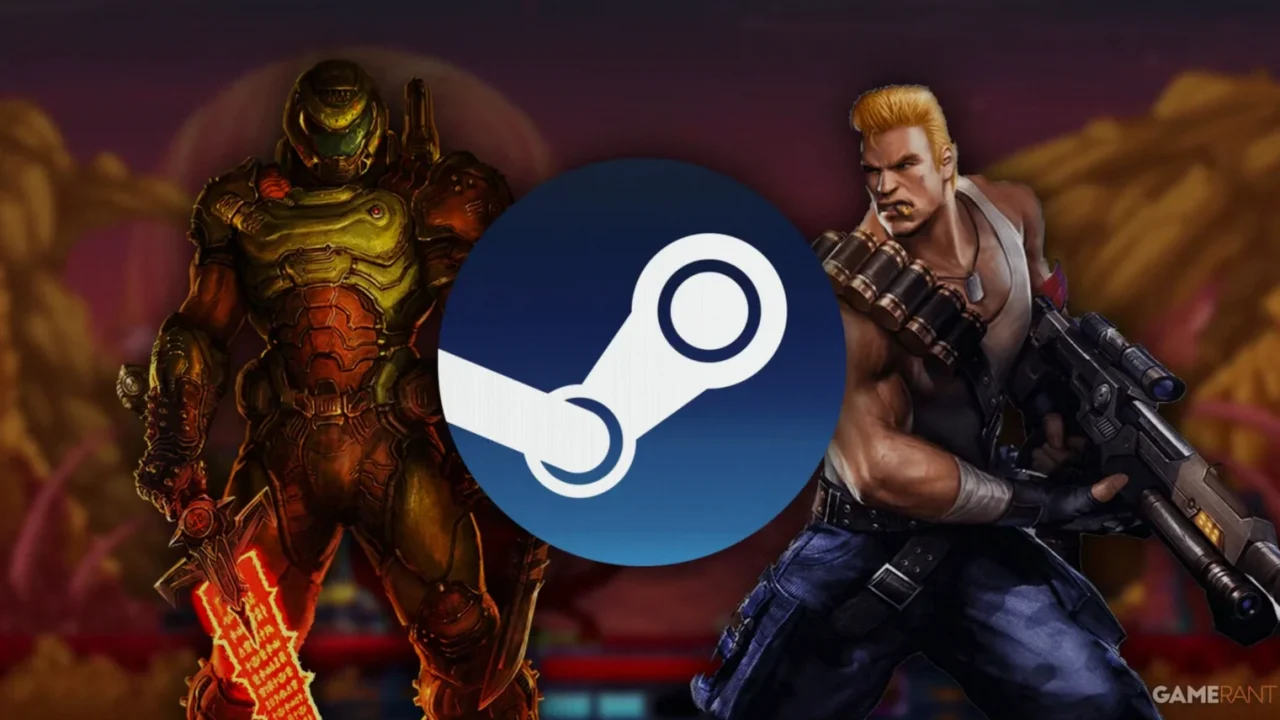
Classic run-and-gun shooters continue to influence smaller modern releases, but Two Sides of Hell adds a more flexible structure to that familiar formula. The new Steam game combines explosive demonic combat and heavy weapons with side-scrolling action, procedural stages, roguelite upgrades, and a transformation mechanic that lets players alternate between a soldier and a rapidly evolving demon.
A New Mission on Planet Keller
Developed by Italian indie studio Red Sky Games and published by Stratos Gaming, Two Sides of Hell launched on Steam on September 17, 2026. Its campaign follows a super-powered operative from the Big F-ing Army, known as the BFA, as they deploy to Keller. The planet has been overrun by mutated creatures powerful enough to destroy entire military expeditions.
Each run moves through procedurally generated stages that reshuffle enemy groups, hazards, weapons, and bosses. More than 20 enemy types and bosses add variety to those deployments, while the game’s gore, supernatural threats, and oversized arsenal create a clear connection to Doom. Its two-dimensional presentation and arcade-focused pacing, meanwhile, point toward the classic run-and-gun design associated with Contra.
Two Combat Forms Change the Way Runs Play
The Soldier form is built around ranged attacks and tactical positioning. Players can carry up to three weapons at once, choosing from an overall selection of more than 70 weapons, abilities, active tools, and upgrades. The available firepower includes miniguns, flamethrowers, and high-energy laser cannons.
Demon Mode removes that conventional arsenal and replaces it with rage-based melee attacks, screen-clearing powers, and abilities taken from defeated bosses. The demonic form can also evolve during a run. That creates a central decision for every encounter: maintain distance and rely on weapons, or switch forms and accept the risks of close-range combat in exchange for more destructive abilities.
Co-op and Permanent Progression Extend the Arcade Formula
Failed deployments are not necessarily wasted. Resources collected during runs return to the Hangar, where they can fund permanent upgrades. Power Plates provide another layer of long-term customization, with effects that can improve mobility, add defensive shields, or strengthen offense.
The full game supports single-player and local co-op, while Steam Remote Play Together allows that cooperative format to be played online. Endless and Multiplayer modes, leaderboards, and procedurally generated content give players additional reasons to return after completing individual runs. A free demo is also available on Steam; it includes local co-op and offers an early look at Demon Mode.
A Choice Between Orders and Demonic Power
The game’s narrative is tied to the same transformation system that drives its combat. Players can continue following the Sergeant’s orders while working to liberate Keller for the BFA, or embrace the strange demonic abilities discovered on the planet. Those choices can lead toward different endings.
For players seeking an old-school shooter with modern replayability, Two Sides of Hell offers a focused combination: fast 2D combat, build experimentation, cooperative play, and a permanent progression loop. Its most distinctive feature is not simply the Doom-inspired presentation or Contra-like structure, but the need to decide when each side of the protagonist is most useful.
Key points
- Two Sides of Hell launched on Steam on September 17, 2026.
- Soldier form uses ranged weapons, while Demon Mode focuses on melee and special powers.
- Single-player, local co-op, Steam Remote Play Together, Endless, and Multiplayer modes are available.
- A free demo includes local co-op and a preview of Demon Mode.
Confirmed release details
| Category | Details |
|---|---|
| Platform | Steam |
| Release date | September 17, 2026 |
| Developer | Red Sky Games |
| Publisher | Stratos Gaming |
| Modes | Single-player, local co-op, Endless, and Multiplayer |
Expert View
Two Sides of Hell reflects a useful direction for indie action games: familiar arcade combat can gain a longer lifespan when paired with procedural runs, persistent upgrades, and meaningful build choices. Its local co-op and Remote Play Together support also make the game relevant to communities that still value shared run-and-gun sessions. Whether it develops a lasting competitive following will depend on how its leaderboards and repeatable modes support mastery, but the two-form combat system gives it a clearer identity than a straightforward retro shooter.