Ethan Crossfield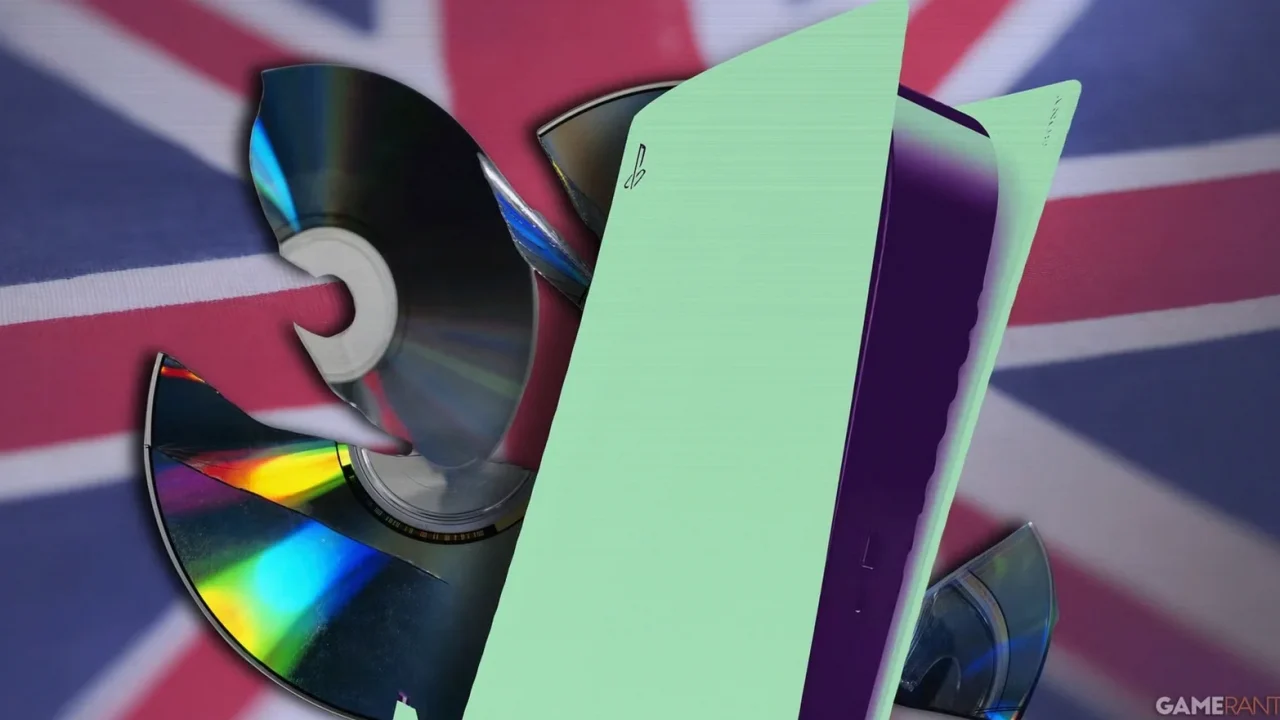
If you buy PlayStation games on disc, this is the kind of industry shift that could change how you shop—and what you can do with your collection later. The UK’s major retail trade body ERA has criticized Sony’s decision to stop producing PlayStation discs in 2028, warning that the move removes consumer choice and could weaken physical game preservation.
What changed: Sony’s move away from disc releases
Sony’s plan to discontinue PlayStation discs in 2028 has triggered a backlash from one of the UK’s biggest retail trade organizations. The Digital Entertainment and Retail Association (ERA), which represents major game retailers in the country, described the decision as a step backward rather than progress.
ERA argues that disc-based games remain a meaningful part of the UK market. Its CEO, Kim Bayley, pointed to ERA figures claiming the disc-based games market was valued at more than £300 million in 2025. Bayley also said ERA data indicates roughly a quarter of UK gamers under 25 use physical discs for gaming.
In ERA’s view, removing discs doesn’t just shift sales channels—it limits what players can do with the games they purchase. The association contrasts physical ownership and related practices with digital purchases, which it says do not offer the same freedoms.
Who is affected: consumers, retailers, and the physical game ecosystem
ERA’s criticism targets more than just consumer convenience. Bayley’s stance frames the disc phase-out as negative for gamers and retailers alike, while also raising concerns about long-term preservation of games.
ERA emphasizes that discs can be shared with family, traded in, collected, and preserved, with the implication that they can still be played years later. Digital games, according to ERA’s argument, do not provide those same options.
The association also suggests that affordability could become a bigger issue. It notes that physical PlayStation discs are often cheaper than their digital counterparts, implying that a fully digital future may be tougher for budget-conscious players.
ERA does not dispute that digital distribution is popular. Instead, it calls for digital formats to complement physical releases rather than replace them.
What comes next: industry pressure and the debate over “choice”
The ERA statement didn’t stay confined to retail circles. Christopher Dring, host of The Game Business podcast, highlighted Bayley’s comments and added additional context about the physical market.
Dring said that, in the UK, a large share of physical console games sold last year were PlayStation 5 or PlayStation 4 titles. He also pointed to a separate claim about physical games generating significant revenue in the US over a recent 12-month period.
Dring echoed the core critique with a sharper framing: he argued that Sony’s branding about players conflicts with a decision that, in his view, prioritizes profit margins. At the same time, he cautioned that criticizing Sony too harshly may be difficult during an industry climate shaped by cost pressures, including ongoing hardware-related shortages.
He also suggested Sony will likely assume players will move to digital purchases, but that the company may still need to address what players lose when discs disappear—particularly around preserving and maintaining access to games over time.
What players should know
- ERA claims disc-based games still represent a major UK market, citing a value of over £300 million in 2025.
- ERA says about 25% of UK gamers under 25 use physical discs, indicating the audience for discs isn’t just older players.
- The trade body’s main concern isn’t only availability—it’s the loss of disc-related options like sharing, trading, collecting, and long-term preservation.
- ERA argues physical discs can be cheaper than digital versions, so an all-digital shift could affect how easily players can budget for new releases.
Expert View
ERA’s argument is a clear reminder that “progress” in gaming isn’t only about convenience—it’s also about ownership behaviors, resale and preservation. While Sony may expect players to adopt digital purchases, the UK retail push shows that disc demand and the value players place on physical collections are still being treated as real market forces. The key question going forward is whether Sony’s digital strategy will offer credible substitutes for the freedoms ERA highlights.