Ethan Crossfield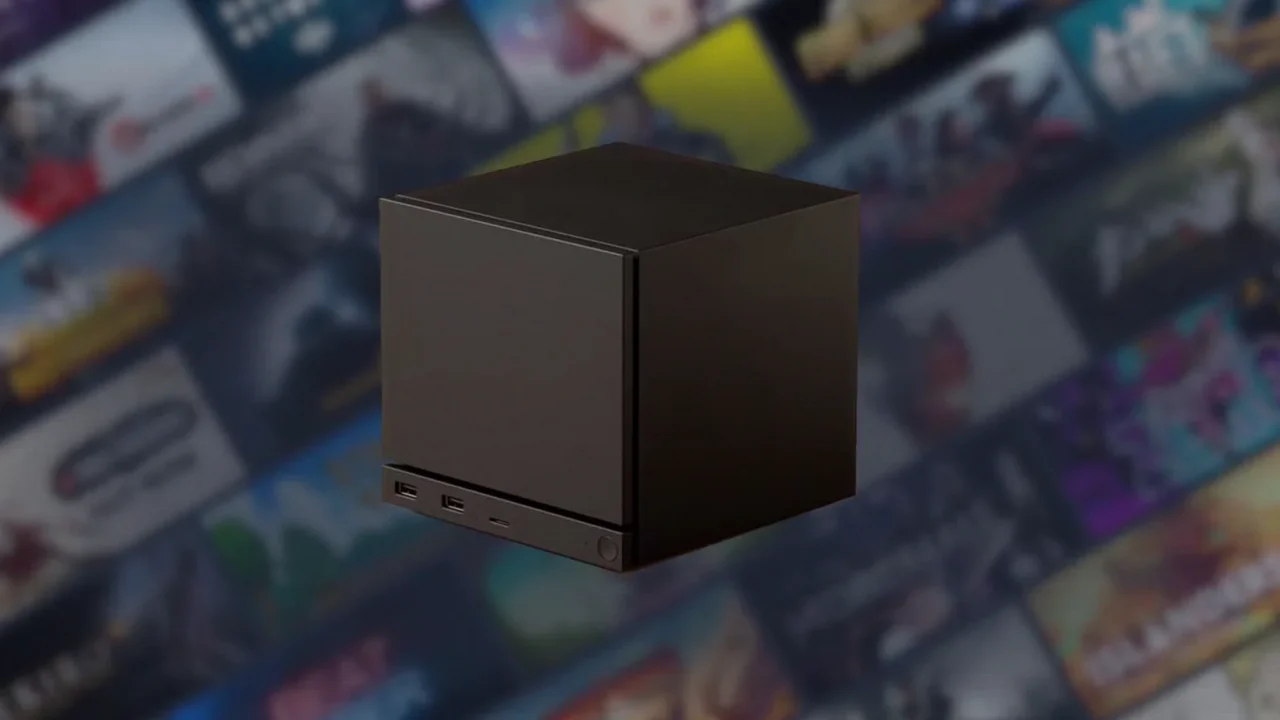
Console exclusivity is a long-running flashpoint in gaming, but Valve has now stepped into the debate with a clear message for its Steam Machine. In a recent interview, Valve engineer Loup Griffais said the company has no plans to restrict new games to the console—positioning the Steam Machine instead as a home for the broader Steam “PC library.”
Valve draws a line on console-exclusive releases
Valve recently commented on whether Steam Machine owners would ever get games that only run on the new home console. Speaking in an interview with Bloomberg, Valve engineer Loup Griffais said Valve does not intend to release titles that appear exclusively on the Steam Machine. In his explanation, limiting access to new games is not seen as a strong model for the company.
The rationale is tightly tied to how Valve views the console itself. Griffais indicated that the Steam Machine’s main launch “exclusive” is not a separate game lineup, but the entire PC catalog on Steam—made accessible on hardware built around a PC-like architecture. In other words, Valve is treating the device as a bridge to the existing library rather than a separate walled garden.
Valve also framed the Steam Machine as a way to drive meaningful innovation for PC gaming, with the goal of improving the experience “for everyone.” That emphasis helps explain why the company’s public stance centers on compatibility and access over exclusivity.
Launch positioning: a Steam-first console experience
The Steam Machine launched with a wide selection of games already compatible with Steam Deck-verified titles, reinforcing the idea that it is designed to plug directly into Valve’s broader ecosystem. That direction aligns with how the console was originally marketed: as a home platform where players can continue using their Steam libraries.
Valve’s approach also fits into the Steam Machine’s larger narrative as one of the most anticipated launches after Valve announced the console in November 2025. Valve positioned it as delivering performance comparable to current-generation systems such as the PS5 and Xbox Series X, while also providing access to a large portion of Steam’s catalog from day one.
Even with a steep starting price—$1,049 for the 512 GB model—demand was strong enough that reservations reportedly attracted scalpers charging significantly higher prices. With that kind of attention, Valve’s latest clarification on game availability is likely to matter to buyers who expected a more traditional console-exclusive strategy.
Why this matters: exclusives, community expectations, and the next move
Valve’s stance won’t end the broader exclusivity debate, but it does set expectations for what Steam Machine owners can realistically count on. Console exclusives have historically been used as “console sellers,” helping establish identity for platforms and driving high-profile franchise visibility. The source context also notes that major franchises began as exclusives in their early years, including examples like Halo and God of War.
At the same time, the industry has shown that exclusivity strategies can change. The source notes that Xbox recently shifted its approach after new leadership in early 2026, moving toward a model where first-party Xbox exclusivity decisions are made individually per title—reversing an earlier policy change and allowing some formerly exclusive franchises to expand to multiple platforms.
For Valve and Steam Machine, the implication is straightforward: if Valve’s goal is to improve PC gaming through accessible hardware, then locking players out of new releases would run counter to that vision. The company has also faced challenges around pricing and reliability, including reported hardware malfunctions and component cost pressures tied to a broader RAM shortage. Those hurdles make Valve’s “PC library” framing even more significant—because it’s the core value proposition regardless of whether standalone console-only games arrive.
While there has been talk of Valve working on a new Half-Life title, the source cautions that making a hypothetical Half-Life 3 exclusive would likely cost Valve revenue—another reason the company’s current direction may remain consistent.
Key points
- Valve says it has no plans to release new games exclusive to the Steam Machine.
- Valve views the Steam “whole PC library” as the console’s main launch draw.
- The Steam Machine launched with a broad set of compatible games, including Steam Deck-verified titles.
- Industry exclusivity strategies are evolving, and Valve’s stance leans toward multi-access rather than lock-in.
| Topic | What Valve indicated (from the source) |
|---|---|
| Steam Machine exclusives | No intention to release games that only appear on the console. |
| Launch “exclusive” concept | The broader Steam PC library is treated as the major launch exclusive. |
| Motivation | Restricting new game access is not considered a great model; innovation should improve PC gaming for everyone. |
| Launch ecosystem positioning | Console is compatible with Steam Deck-verified games at launch. |
Expert View
Valve’s message signals that the Steam Machine is being positioned less like a traditional console with its own exclusive tentpoles and more like a living-room delivery method for the existing Steam ecosystem. In a market where both players and platforms have grown more skeptical of lock-in, the company’s “PC library first” framing could strengthen long-term community trust—especially if hardware issues and pricing pressure remain part of the conversation. For the competitive scene, the practical takeaway is that Steam Machine owners are unlikely to form a separate competitive pool driven by console-only releases; instead, they’ll compete and organize around the same Steam-based games and communities.