Ethan Crossfield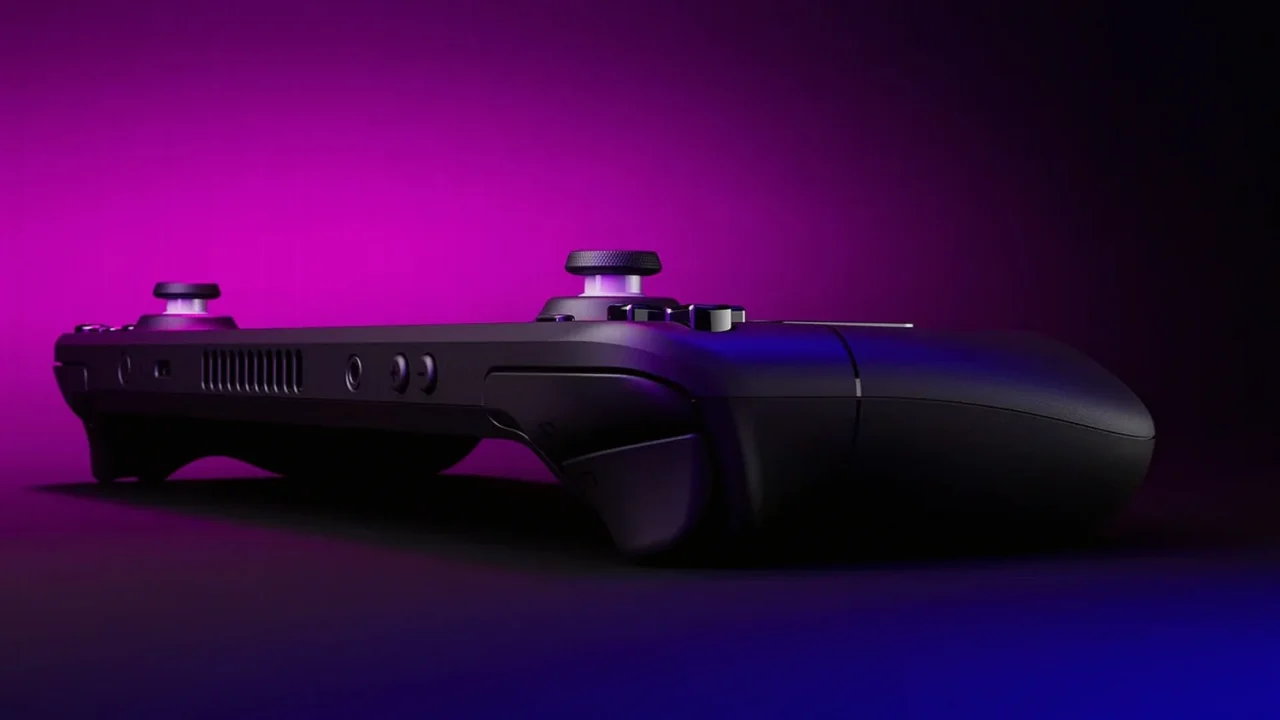
The handheld gaming PC market has reached a difficult turning point: manufacturers can already build more powerful devices, but the cost of the components needed to do so is rising. That tension is especially important for Valve, whose original Steam Deck became attractive by pairing solid performance with a comparatively accessible price. In a recent discussion with IGN, Valve developer Pierre-Loup Griffais indicated that the company’s plans for a future Steam Deck have not fundamentally changed, even as the ongoing RAM crisis complicates the hardware market.
Valve Is Not Chasing a Minor Upgrade
Valve’s position remains consistent with its earlier comments about a successor. The company does not appear interested in releasing a Steam Deck 2 that is merely somewhat faster or more capable than the current model. Instead, its target is a clearly noticeable improvement that would make the new device feel like a genuine generational step.
Griffais said the product goals and intended user experience are still broadly the same. However, Valve is continuing to assess market conditions to determine when that level of improvement can be delivered in a practical way. That distinction matters: the company has not abandoned the concept, but it has also given no indication that a launch is imminent.
The RAM Crisis Makes the Price Question Harder
More powerful handheld gaming PCs have demonstrated that a substantial technical upgrade is possible. The trade-off is that these products generally arrive at much higher prices than the Steam Deck, weakening the value proposition that helped Valve’s handheld stand out.
The continuing RAM shortage has pushed hardware costs higher across the industry, affecting products such as graphics cards, consoles, and the existing Steam Deck. Valve has shown through newer hardware that it can pass some increased costs to customers when necessary. A premium Steam Deck 2 would still be a sensitive move, though, because affordability is one of the main reasons players continue to view the platform as an alternative to more expensive handheld PCs.
Reports that demand for the current Steam Deck declined after the 512GB OLED model increased from $549 to $789 add another complication. While those reports do not determine Valve’s future strategy, they highlight how quickly a price increase can change the appeal of the product.
A Successor Remains Possible, but Timing Is Unclear
Valve has released several products in 2026, including the Steam Machine, showing that the company is not categorically opposed to expensive hardware when its technology requires it. The Steam Deck 2 presents a different challenge because its identity is closely connected to offering capable portable gaming without reaching the highest prices in the category.
For now, the available information points to a successor being a question of timing rather than a confirmed launch plan. Valve still wants the technology, performance gain, and overall experience to justify a new generation. Until those conditions align with a sustainable price, the company appears willing to wait rather than release an incremental device.
Key points
- Valve still wants Steam Deck 2 to provide a significant generational performance improvement.
- The RAM crisis has not changed the company’s stated product goals.
- Higher component costs could make it difficult to preserve the Steam Deck’s affordability advantage.
- Valve has not announced a release date or confirmed that development is ready for launch.
Expert View
The statement signals a cautious strategy for Valve and the wider handheld market. Performance alone is no longer enough to define a successful successor; the device must also justify its cost to an audience that has already seen more powerful alternatives. Releasing too early could produce an expensive upgrade with limited appeal, while waiting could give hardware prices and component availability time to improve. For players, that likely means expectations should focus on Valve’s quality threshold rather than a near-term announcement. A Steam Deck 2 remains viable, but only if Valve can make its generational leap meaningful without losing the value that made the original distinctive.