Ethan Crossfield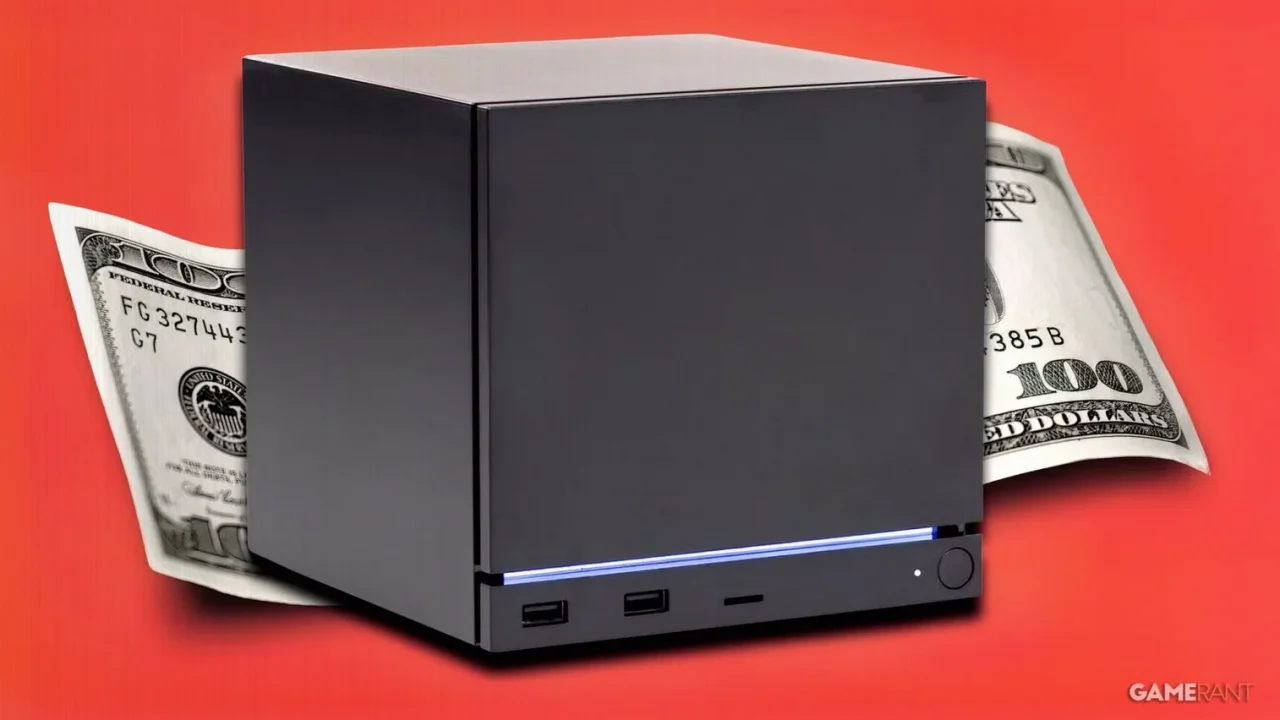
Gaming hardware affordability is under pressure again, and Valve’s latest remarks on the Steam Machine make the outlook feel less optimistic. As the company tries to avoid subsidizing its first home-console push, its engineers point to worsening memory supply conditions that could keep prices elevated—or even push them higher.
Why the Steam Machine launched at a premium
Valve officially released the Steam Machine on June 22, with initial pricing beginning at $1,049. Despite the sticker shock, pre-orders reportedly still poured in, but the launch price quickly became a flashpoint for debates about whether the platform could remain accessible for mainstream PC gamers.
Valve’s official explanation centered on industry-wide constraints: an ongoing RAM and memory crisis, plus higher-than-expected costs for many components. Rather than absorbing those costs, Valve said it had to set the Steam Machine price close to its production cost.
Now, one of the engineers involved in bringing the platform to market has added new context that suggests the situation may not improve soon.
Valve engineer: memory crisis is still getting worse
In an interview with Bloomberg, Yazan Aldehayyat—credited as one of the Steam Machine engineers—said the memory crisis is still worsening. He also suggested that what consumers see on retail shelves is behind what bulk suppliers are seeing by several months.
While Aldehayyat did not directly announce a future price move, his comments imply that the conditions driving Steam Machine pricing may persist. If key components remain harder to source, Valve may have limited room to reduce costs, even if it wants to.
Bloomberg reporter Jason Schreier added that Aldehayyat’s view is that pricing may eventually correct itself—either through falling prices or by normalization of higher pricing if the memory crisis never fades.
Production constraints go beyond price
Valve’s challenges are not only financial. Another engineer interviewed by Schreier, Pierre-Loup Griffais, said Valve is essentially building with whatever it can secure. He also noted that the company is limited by memory capacity.
That matters for more than pricing: even if Valve holds the Steam Machine’s retail cost near production levels, supply limitations can still restrict how much can be manufactured and how consistently units can be produced. In other words, affordability and availability may both be constrained by the same underlying component shortage.
Valve’s engineers also framed the Steam Machine’s purpose as solving a specific living-room problem: bringing more open PC gaming into the living room experience. Schreier described this as a lack of open-source PC gaming options on the couch, with Valve’s console positioned as a premium solution to that gap.
What this could mean for the console market
The Steam Machine pricing conversation is already spilling into expectations for upcoming hardware. The source notes rumors that PlayStation 6 could be more expensive than the Steam Machine, with similar concerns suggested for other upcoming consoles such as Xbox’s Project Helix.
Taken together, Valve’s comments point to a broader market theme: if memory and RAM conditions remain tight, premium pricing could become a more common baseline for new console launches—especially those that rely on PC-adjacent components and performance targets.
Key points
- Valve says the RAM and memory crisis is worsening, making price relief unlikely in the near term.
- The Steam Machine launched on June 22 starting at $1,049, and Valve tied pricing to component costs near production level.
- Engineers describe supply constraints beyond cost, including limits tied to memory capacity.
- The platform’s goal is to bring open PC gaming into the living room, even if that comes with a premium price.
| Item | Confirmed detail |
|---|---|
| Steam Machine release | Officially released on June 22 |
| Starting price (initial launch) | From $1,049 USD |
| Valve’s stated pricing approach | Price near production cost without subsidizing |
Expert View
Valve’s new comments signal that the Steam Machine’s pricing pressure isn’t just a one-time launch decision—it’s tied to a supply-chain problem that may persist. For the competitive console conversation, this suggests that “premium by default” could spread beyond Valve if other next-gen systems also depend on the same memory constraints. For the community, it also raises the stakes for what Valve can deliver on the living-room promise: if hardware costs stay high, player satisfaction will likely hinge less on price optimism and more on whether the platform meaningfully expands PC-style gaming in the living room.