Ethan Crossfield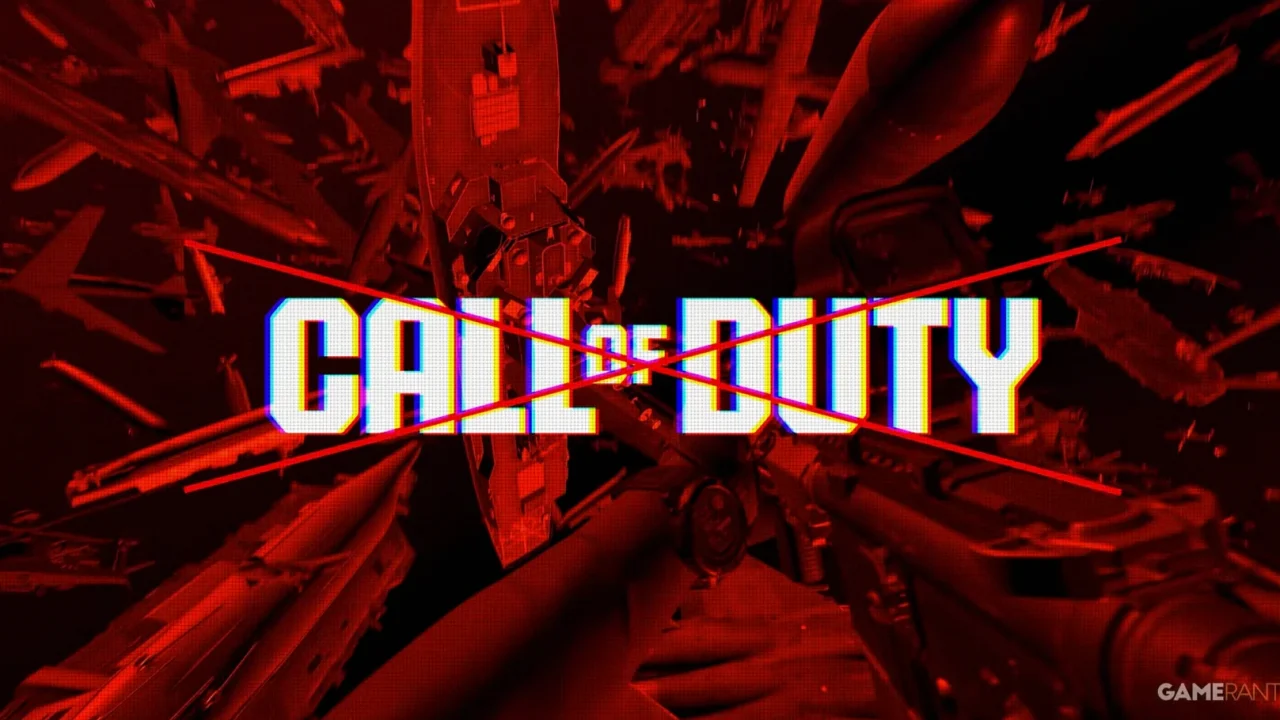
A solo developer with experience on older Call of Duty games is creating War Fantasy, a psychological horror FPS designed to challenge the way military shooters make violence feel exciting. After nine years in development and a reported 30,000 Steam wishlists reached in July, the project is attracting interest from potential publishers and partners, although it remains listed on Steam as coming soon.
What Happened With War Fantasy
War Fantasy combines the self-critical military drama associated with Spec Ops: The Line with the surreal, reactive environments of The Stanley Parable. Its premise places the player inside an apparently endless military scenario, where a commanding officer monitors their behavior and attempts to turn them into a perfectly obedient killer.
The game still presents a convincing arsenal of firearms, drones, and other military technology. That realism is deliberate. Developer Non-Euclidean is using the familiar appeal of polished weapons and responsive shooter mechanics to examine how players can be conditioned to enjoy military violence rather than simply celebrating it.
The officer does more than issue instructions. The character reacts when players hesitate, avoid targets, or attempt to leave unwanted situations, while rewarding compliance and criticizing resistance. The result is intended to feel closer to psychological horror than a conventional power fantasy.
Why It Matters for Military Shooters
War Fantasy is built around a criticism that has become familiar to players of blockbuster combat games: war is often presented through a sequence of dramatic set pieces, heroic actions, and satisfying gunplay, with the human cost pushed into the background. The source material does not claim that every Call of Duty campaign ignores war’s consequences, but argues that the genre frequently prioritizes its most exciting moments.
The game’s environments are central to its response. Spaces can change, loop, or glitch, revealing disturbing details that the commanding officer wants hidden. A scene that appears to encourage continued shooting may suddenly expose the consequences behind the spectacle. These shifts are meant to make players question whether they are participating in a simulation, following an agenda, or confronting the reality that the simulation conceals.
That approach gives War Fantasy a sharper identity than a simple anti-war shooter. It is not rejecting military FPS design outright; it is using the genre’s most effective tools against its own assumptions.
What to Watch Next
The immediate question is whether War Fantasy can move from a long-running solo project to a complete release. Steam provides no confirmed launch date, and the game is still marked as coming soon. Non-Euclidean has reportedly been speaking with interested publishers and partners after reaching the wishlist milestone, which could help the project progress beyond its current development stage.
Players should also watch how the final version balances its message with its mechanics. The realistic weapons and immersive technology need to feel compelling enough for the game’s critique to work, while the shifting environments and authoritarian narrative must remain more than visual decoration. If those elements connect, War Fantasy could offer an unusual examination of the shooter habits many players take for granted.
Key takeaways
- War Fantasy is being developed by Non-Euclidean, a solo creator with experience on older Call of Duty games.
- Its design draws from Spec Ops: The Line, The Stanley Parable, and psychological horror.
- Players face an endlessly repeating scenario controlled by a manipulative commanding officer.
- Changing environments reveal hidden consequences and challenge the logic of military spectacle.
- The game has no confirmed release date and remains listed as coming soon on Steam.
Expert View
War Fantasy’s strongest idea is its refusal to separate criticism from play. Instead of delivering an anti-war message through cutscenes alone, it appears determined to make players feel how rewarding obedience and violence can become before exposing the machinery behind that reward. The project’s long development time and solo structure make its eventual release uncertain, but its premise gives the crowded FPS space a perspective that mainstream military campaigns rarely sustain.