Ethan Crossfield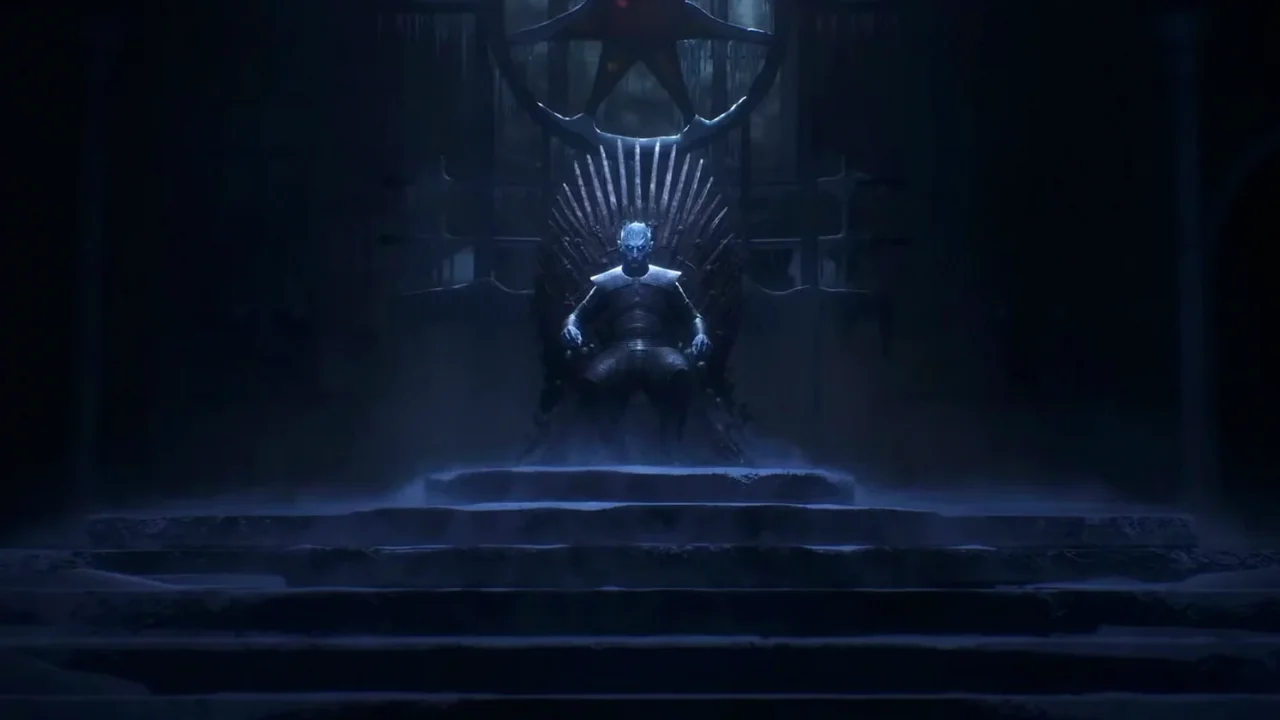
Game adaptations are increasingly giving established franchises room to explore alternate outcomes, and Game of Thrones: War for Westeros is taking that idea to its darkest possible conclusion. The upcoming real-time strategy game will let players command familiar leaders and armies, including Daenerys Targaryen with her dragons and the Night King with his undead forces. The game is planned for PC in early 2027.
A Delayed RTS With a Wide Game of Thrones Roster
War for Westeros was originally expected in late 2026, but developer PlaySide Studios recently moved the release to early 2027. The delay places the game outside a crowded holiday period that is also expected to include Grand Theft Auto 6 and several other major releases. It remains a notable project for the franchise because it is being developed as a PC strategy title rather than another mobile-focused release.
The game will feature a traditional campaign alongside multiplayer battles. Players can lead major houses and other forces from the series, turning the political and military conflicts of Westeros into asymmetrical strategy encounters. Each army is designed around different strengths, while its commander brings distinct abilities to the battlefield.
The Night King Can Finally Claim the Iron Throne
A trailer shown during Gamescom Opening Night Live highlighted the game's alternate version of Westeros. Jon Snow appeared as the leader of House Stark alongside Ghost, Jaime Lannister represented House Lannister, and Daenerys commanded House Targaryen with her dragons. The Night King also featured as a playable leader, supported by White Walkers, undead Giants, and other forces.
Victory is tied to control of the Iron Throne. That means Daenerys can achieve the conquest her television storyline never completed, while the Night King can bring about an entirely different ending in which the throne belongs to the ruler of a dead and empty Westeros. The setup also creates room for familiar rivalries to play out differently, including the possibility of Jon Snow confronting the Night King in a new context.
However, the trailer's cinematic moments should not be treated as a complete representation of moment-to-moment gameplay. War for Westeros is an RTS, so the final experience will depend on its faction systems, commander abilities, campaign structure, and multiplayer balance.
What Comes Next for the Franchise
Daenerys' return is part of a broader wave of Game of Thrones projects revisiting characters and creatures from the wider lore. Game of Thrones: Dragonfire is also bringing back five dragons connected to the franchise's history and the House of the Dragon television series. Separately, Game of Thrones: Winter is Coming recently featured Brienne of Tarth and Oathkeeper, one of the Valyrian Steel swords created after Ned Stark's Ice was reforged.
For War for Westeros, the next major point of interest will be how PlaySide Studios turns its cinematic premise into a compelling strategy framework. The faction differences and multiplayer focus could give the game a stronger identity than a straightforward retelling, but players will need more gameplay detail before its competitive potential can be judged.
Key points
- War for Westeros is a PC real-time strategy game planned for early 2027.
- Daenerys Targaryen, the Night King, Jon Snow, and Jaime Lannister lead playable forces.
- The Night King's army includes White Walkers and undead Giants.
- Campaign and multiplayer modes will support alternate outcomes centered on the Iron Throne.
Expert View
War for Westeros signals a useful direction for the Game of Thrones game universe: instead of repeating one fixed storyline, it uses strategy systems to let players reshape the ending. That approach could appeal to fans who want agency over the franchise's biggest conflicts, while the asymmetrical armies provide a foundation for a more competitive community. The game's long-term reception will depend on whether those differences create meaningful strategic choices rather than serving only as character-themed presentation.