Ethan Crossfield
A crowded release calendar can make a weekend feel like a choice between familiar blockbusters and smaller games fighting for attention. This week, Nintendo’s 2026 remake of The Legend of Zelda: Ocarina of Time sits at the center of that conversation, but it arrives alongside a refreshed World of Warcraft experience, a co-op puzzle sequel, a sci-fi exploration game and a Switch 2 re-release worth revisiting.
Ocarina of Time Returns Without Losing Its Identity
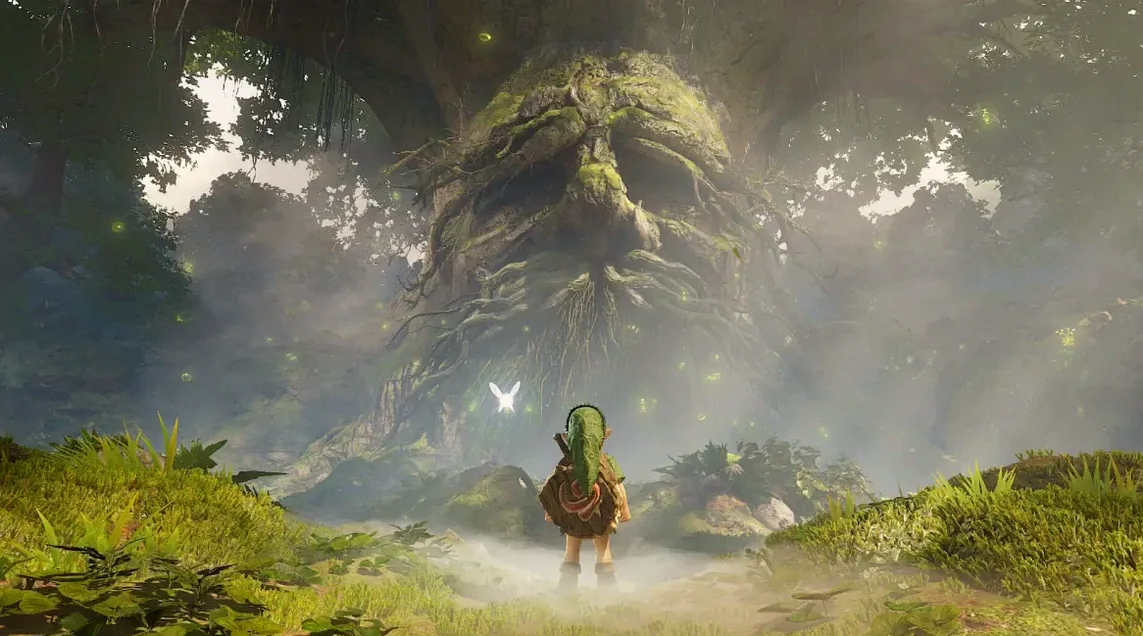
The Legend of Zelda: Ocarina of Time (2026) is the week’s headline release. The remake closely follows the structure of the original adventure, preserving the path that made the 1998 game so influential while updating its presentation and controls. Its approach appears deliberately conservative rather than transformative: players who know Hyrule, its dungeons and its major story beats should find a familiar journey, now built for modern hardware. Coverage around the release has also highlighted the remake’s retained and omitted Easter eggs, as well as a Switch 2 Pro Controller feature that can improve the experience for players using that accessory.
Azeroth Gets a Broad New On-Ramp
World of Warcraft: Forever offers a substantially revised way into Azeroth. The release adds around a thousand quests, multiple new zones, wide-ranging revisions and a major visual refresh. That scope makes it relevant both to long-time MMO players and to people who never found a convenient point to start with World of Warcraft. Rather than treating the game purely as nostalgia, Forever positions a foundational online world for a new audience while giving returning players a changed version of familiar territory to explore.
Co-op, Exploration and a Standalone Marvel Adventure
Escape Academy 2: Back to School continues the puzzle-school premise of its predecessor with a particular emphasis on local split-screen cooperation. Its escape-room challenges can require players to study separate parts of an environment and share information, making it a strong option for pairs looking for a weekend game away from competitive multiplayer. Moadra targets another specific audience: players who enjoy the ability-gated discovery and alien-world atmosphere associated with Super Metroid. Meanwhile, Marvel’s Guardians of the Galaxy: Encore Edition arrives on Switch 2 as a self-contained story-driven action game, with no requirement to follow wider Marvel continuity.
Key points
- The 2026 Ocarina of Time remake remains close to the original game’s established design.
- World of Warcraft: Forever expands Azeroth with new quests, zones, revisions and updated visuals.
- Escape Academy 2 prioritizes local split-screen puzzle solving for two players.
- Moadra and Guardians of the Galaxy: Encore Edition offer distinct alternatives for exploration and narrative-focused play.
Weekend game options
| Game | What stands out |
|---|---|
| The Legend of Zelda: Ocarina of Time (2026) | A modern remake that retains the original adventure’s core trajectory. |
| World of Warcraft: Forever | A revamped and expanded Azeroth with extensive new content. |
| Escape Academy 2: Back to School | Local split-screen escape-room puzzles built for cooperative play. |
| Marvel’s Guardians of the Galaxy: Encore Edition | A standalone narrative adventure newly available on Switch 2. |
Expert View
This release mix shows how publishers are serving several audiences at once: prestige remakes for established fans, refreshed live-service worlds for returning communities, and focused games that solve a specific social or genre need. Ocarina of Time is the biggest nostalgia play, but the broader lesson is that a strong weekend lineup does not depend on one blockbuster. Co-op design, accessible re-entry points and platform re-releases can each create their own momentum.