Ethan Crossfield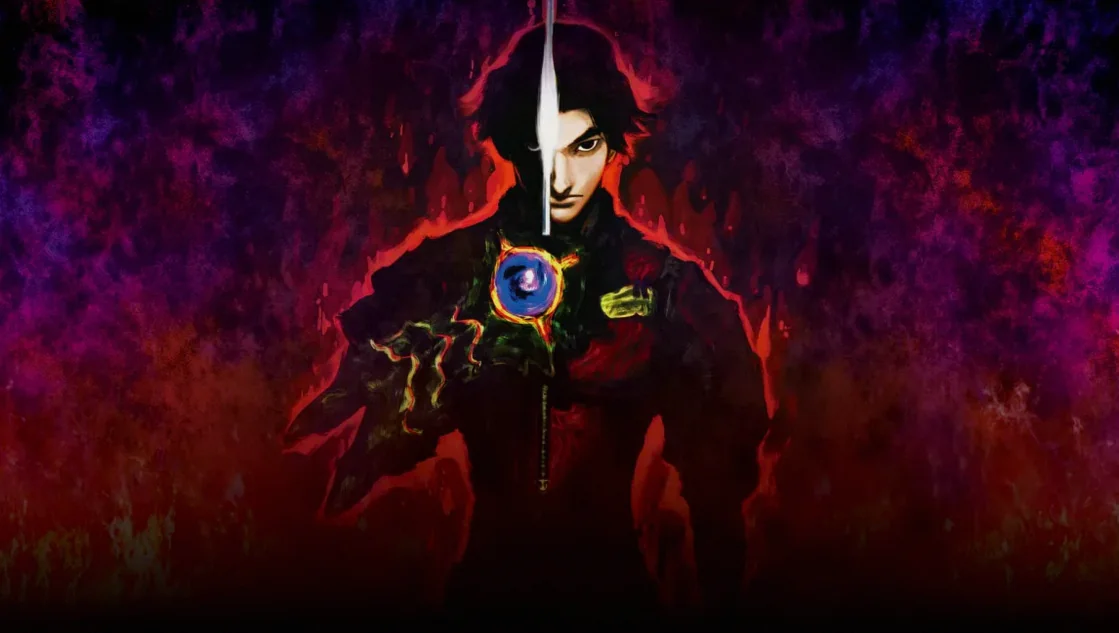
Capcom’s Onimusha: Way of the Sword is bringing the samurai action series back after two decades, but its clearest guide to the revival may be the developer who helped shape its earliest games. Motohide Eshiro, planner on Onimusha: Warlords and director of Onimusha 2: Samurai’s Destiny, discussed the franchise’s Resident Evil roots, its leap in ambition, and the design choices that made it successful. For players deciding whether to revisit the originals or follow the new release, his comments outline what made Onimusha distinctive in the first place.
What changed between Onimusha: Warlords and its sequel?
Onimusha: Warlords began with a familiar Capcom foundation: the team wanted to explore the possibilities of Resident Evil’s pre-rendered visual approach in a close-range action game. Instead of firearms and distant combat, the Sengoku-period setting provided a natural stage for swordplay. That combination eventually became known internally as “Sengoku Biohazard.”
Eshiro joined Warlords after development was already underway, but he moved from planner to director for Onimusha 2: Samurai’s Destiny. His goal was to make the follow-up feel broader and more lived-in. The sequel added allies and a friendship system, giving players more interaction with its characters and introducing a stronger human-drama element. The team also expanded the combat, including additional variations on the Issen technique.
The Oni Form followed a similar path. Samanosuke’s transformation was presented in a cutscene at the end of the first game, while Jubei could use his form during gameplay in Onimusha 2. The developers understood that players responded to the transformation’s visual appeal and pushed that idea further, with character designer Keita Amemiya contributing Jubei’s design.
Who should revisit the original games?
Players interested in the series’ design history will find a useful contrast between the two titles. Warlords is the more compact expression of the original concept: fixed, carefully composed environments, sword combat, soul absorption, and a supernatural interpretation of Japan’s Warring States period. Its structure reflects the era’s technical constraints, but those constraints also allowed Capcom to control exactly how spaces and landmarks were presented.
Onimusha 2 keeps that visual approach while adding more character interaction and a larger sense of scale. Its unusual mix of dark fantasy with robots and televisions came from Amemiya’s designs and was intended to add modern or realistic touches to the setting. Those elements may feel eccentric now, yet they show how deliberately the sequel widened the series’ identity rather than simply repeating the first game.
Eshiro also noted that real-world actors were a major selling point for Onimusha in the early 2000s. Combined with sword-focused combat and mechanics that stood apart from Resident Evil, the casting helped the games feel familiar and unusual at the same time.
What comes next for Onimusha?
Way of the Sword will need to preserve that balance while establishing its own reason to exist. Full camera control can offer more freedom and immersion than pre-rendered scenes, but it may be harder to direct attention toward a precisely crafted historical location. That is a meaningful tradeoff for a series whose atmosphere has always been closely tied to its environments.
The new game is not presented as a direct continuation of the original storyline, and its developers have indicated that it will not repeat the older games’ televisions, robots, or similar touches. Even so, the revival is arriving with a substantial legacy: the Onimusha series has sold more than 9 million copies since Warlords launched in 2001. Way of the Sword is scheduled to launch in September, giving longtime fans and newcomers a clear opportunity to see whether Capcom’s swordplay-focused formula still has room to grow.
What players should know
- Onimusha began as a close-range counterpart to Resident Evil’s gun-focused design, using Sengoku-era Japan as its setting.
- Onimusha 2 expanded the formula with allies, friendship mechanics, more character drama, and deeper Issen combat options.
- The first two games used pre-rendered environments, while Way of the Sword is moving toward full camera control.
- Real-world stars, distinctive swordplay, soul absorption, and the series’ setting all contributed to Onimusha’s early success.
- Way of the Sword is scheduled for September and is expected to build on a franchise with more than 9 million sales.
Expert View
Eshiro’s account makes the original Onimusha games sound less like Resident Evil imitators and more like a focused experiment that borrowed a proven presentation style before developing its own combat identity. The sequel’s broader systems show Capcom understood what needed expansion, while the new game faces the opposite challenge: proving that modern camera freedom can retain the carefully directed atmosphere that defined the classics.