Ethan Crossfield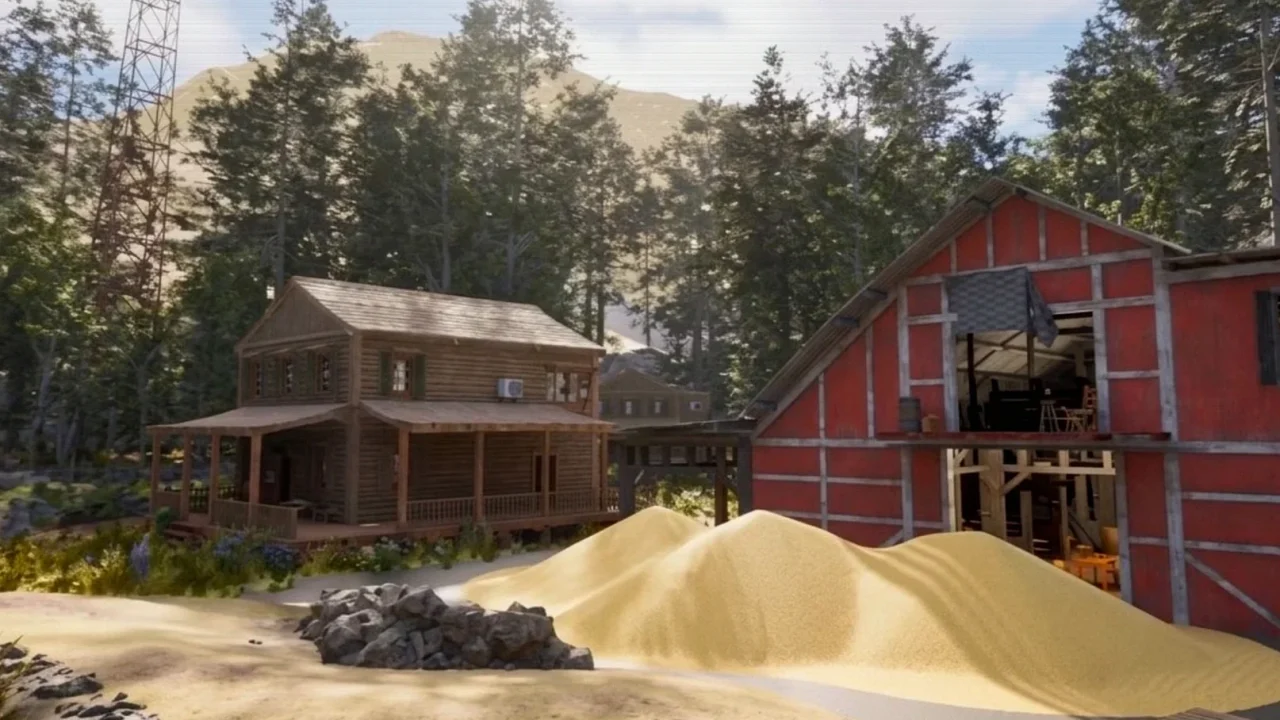
Organization-focused games have turned repetitive tasks into surprisingly compelling challenges, from sorting inventories to cleaning virtual spaces. A new project from solo developer SaturaDev pushes that idea toward an extreme: Wheat from the Chaff asks players to manually separate 10 million wheat grains, potentially making it one of the most time-consuming farming concepts in development.
A Farming Task Measured in Millions
Wheat from the Chaff is being developed for Steam, although it does not yet have a Steam page or a confirmed release window. Its central activity is straightforward but deliberately laborious. Players scoop up small portions of wheat, carry them to a table, and separate the usable grain from the chaff by hand.
In the teaser shared by SaturaDev, the demonstrated process produces six separated grains in roughly 30 seconds. If that pace remained unchanged, completing the full 10-million-grain objective would take more than five years of continuous 9-to-5-style work. That calculation does not account for breaks, progression systems, improved tools, or any future changes to the design, but it illustrates the project's intentionally absurd scale.
From Cozy Routine to Endurance Test
Inventory management is often one of the less popular chores in farming simulations. Many games reduce the friction with sorting buttons, storage upgrades, or automated systems. Wheat from the Chaff instead makes the chore its entire premise, turning a task normally designed to be minimized into the main source of interaction.
That approach could appeal to players who enjoy organizing large quantities of objects or chasing unusual completion goals. It may also produce the kind of short, shareable gameplay clips that have helped other task-focused indie projects attract attention online. At the same time, the deliberately slow pace could make the game feel less like a relaxing farming simulator and more like a test of patience.
Tools Could Change the Long-Term Challenge
SaturaDev has indicated that additional tools and mechanics may eventually speed up the process. A winnower has already been shown as a possible addition, suggesting that the final version may offer a progression path from basic manual labor to more efficient grain separation.
Those systems will be important to the game's eventual balance. If automation arrives too early, the central challenge could lose its identity. If it arrives too late, many players may never get far enough to experience the broader mechanics. Because Wheat from the Chaff remains in development, its structure, pacing, and workload could all change before release.
A Growing Interest in Impossible Objectives
The project is part of a wider interest in games built around enormous organizational challenges. Another indie developer recently presented a concept requiring players to find a needle among five million pieces in a haystack. Meanwhile, titles such as Librarian: Tidy Up the Arcane Library! have shown that there is an audience for games centered on sorting and managing thousands of items.
After the teaser gained significant online attention, SaturaDev said they would set aside other projects to focus on Wheat from the Chaff and bring it forward as quickly as possible. Whether players embrace the challenge will depend on how much variety and assistance the finished game provides.
Key points
- Wheat from the Chaff is planned for Steam but has no Steam page or release window yet.
- Its main objective is separating 10 million wheat grains from chaff.
- The teaser shows six grains being processed in about 30 seconds.
- New tools, including a possible winnower, could make the final game faster and more varied.
Expert View
Wheat from the Chaff signals how far indie developers can stretch the appeal of cozy and organization-based games. Its concept is memorable because the objective is almost comically excessive, which creates strong potential for online discussion and challenge-driven content. The same scale is also its biggest risk: without meaningful upgrades, automation, or changing routines, the novelty could wear off long before players approach the goal. For now, the project is best viewed as an intriguing early experiment rather than a finished farming-sim formula.