Ethan Crossfield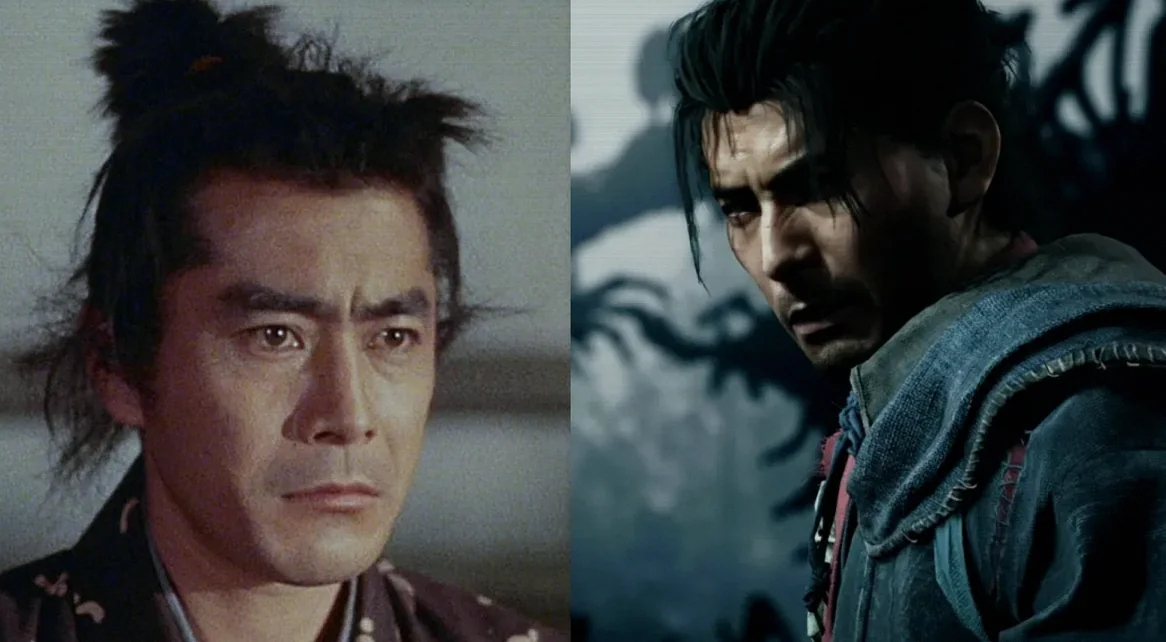
Capcom is bringing Onimusha back after a 20-year hiatus with a new Miyamoto Musashi, and the protagonist will use the likeness of legendary Japanese actor Toshirō Mifune. The decision connects Way of the Sword to both Musashi’s screen history and a long-running feature of the Onimusha series, while Capcom’s development process relied on approval from Mifune’s family rather than generative AI.
What happened
Director Satoru Nihei said Mifune was the first name considered when the team wanted an instantly recognizable samurai image. The actor famously played Musashi in Hiroshi Inagaki’s Samurai Trilogy: Samurai I: Musashi Miyamoto, Samurai II: Duel at Ichijoji Temple, and Samurai III: Duel at Ganryu Island. Mifune also became widely known through major roles in Akira Kurosawa’s films and other samurai productions.
Capcom first sought permission from Mifune’s family before artists recreated his appearance in the RE Engine. Drafts and related materials were shared throughout development so the family could offer approval and feedback. Producer Akihito Kadowaki emphasized that the result is not intended to recreate Mifune as a performer. Way of the Sword’s Musashi is an original interpretation that uses the actor’s visual characteristics as a foundation.
Why it matters
The approach continues a recognizable Onimusha tradition. Samanosuke Akechi in Onimusha: Warlords was modeled after Takeshi Kaneshiro, Jubei Yagyu in Onimusha 2: Samurai’s Destiny used the likeness of Yūsaku Matsuda, and Onimusha 3: Demon Siege featured Jean Reno as Jacques Blanc.
Mifune’s connection to Musashi gives Capcom a particularly direct creative reference, but the game is deliberately moving away from a simple reproduction of his most famous roles. This version of Musashi is in his 20s, has not yet developed his dual-wielding technique, and fights with one katana alongside separately equipped Oni Armaments. His younger age also informs a more arrogant, selfish, and impulsive personality than the seasoned swordsman he will eventually become.
The combat team studied Mifune’s films and other samurai action works, with an emphasis on making feudal combat feel human rather than purely spectacular. Art director Hiroyuki Nara also said having a clear visual foundation helped the team shape the character.
What to watch next
The key question for players will be whether Capcom’s distinct version of Musashi feels like a character rather than a digital tribute. The available details suggest the likeness is only one part of the design: his age, temperament, weapon progression, and place within Onimusha’s supernatural world are being built specifically for Way of the Sword.
That distinction may also shape how audiences respond to the use of a deceased actor’s image in games. Capcom’s consultation with Mifune’s family provides a clear approval process, while the studio has avoided claiming that this Musashi behaves, speaks, or performs like Mifune. Further coverage is expected to explore the game’s combat and development in more detail.
Key takeaways
- Mifune’s likeness was part of the game’s concept from the beginning.
- Capcom recreated his appearance in the RE Engine after securing family approval.
- The character is an original Onimusha Musashi, not a full recreation of Mifune.
- This Musashi is younger, more reckless, and limited to one katana at this stage.
- Celebrity likenesses have been part of the Onimusha series since its earlier games.
Expert View
Capcom’s strongest choice is the separation between likeness and identity. Mifune gives Way of the Sword immediate historical and cinematic weight, but the younger Musashi still needs to stand on his own through combat design and personality. By involving the family and presenting the character as Capcom’s interpretation, the studio has taken a more considered route than simply recreating a late performer for nostalgia.