Ethan Crossfield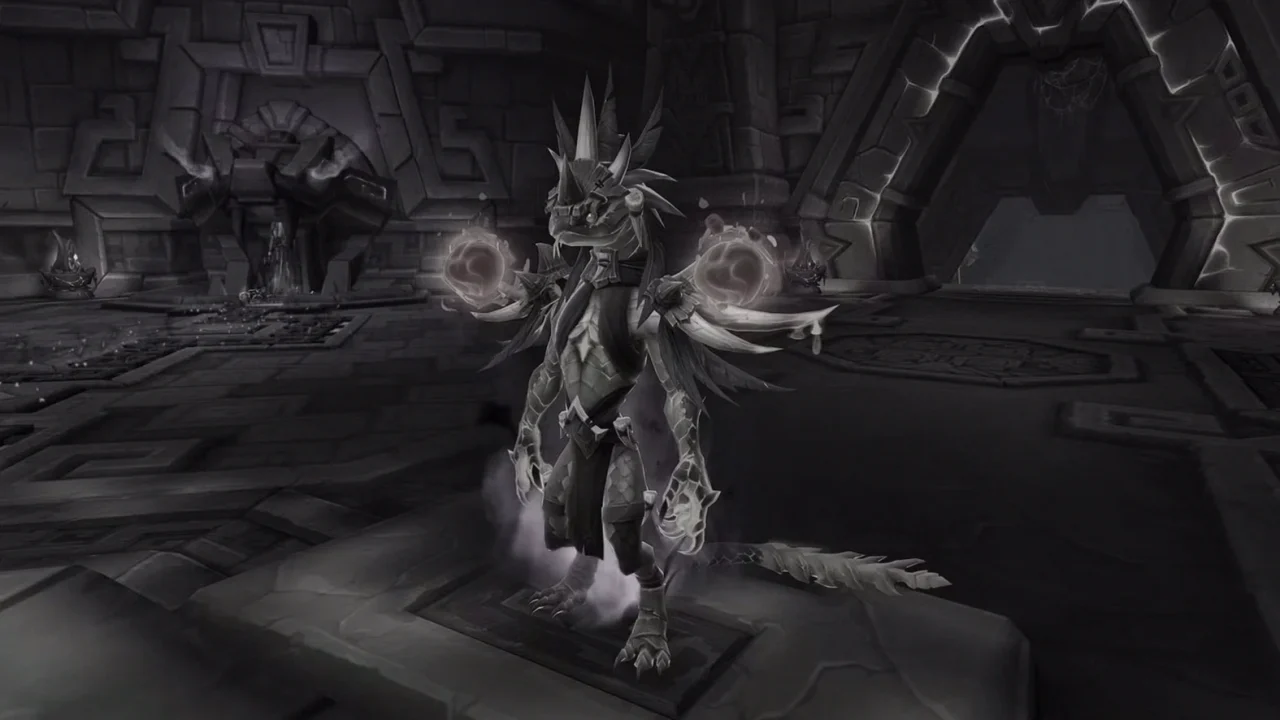
World of Warcraft players preparing for Season 2 should treat August 11 as a major reset point. The Curse of Ula’tek 12.1 update will reshape the Midnight class meta, change the balance between player health and enemy damage, and reduce the influence of several specs that dominated Season 1. Players attached to Unholy Death Knight, Guardian Druid, Augmentation Evoker, Devastation Evoker, or Brewmaster Monk may want to review their builds before committing to the new season.
What changes with the Curse of Ula’tek update?
The 12.1 update arrives on August 11, bringing the next major phase of Midnight. Blizzard’s patch notes include class and specialization adjustments, along with a broad max-level systems change: player health and enemy damage both increase by 25%. That shift changes how defensive tools, healing, burst windows, and damage checks work across endgame content.
The update has been adjusted during its public testing period, but its central direction has remained broadly consistent. Season 1 builds will not automatically carry their previous value into Season 2, particularly where a spec depended on specific uptime patterns, cooldown interactions, or set bonuses.
Which Season 1 specs are most affected?
Unholy Death Knight loses significant power from its minion-focused damage and burst windows, moving from one of Season 1’s strongest options toward a more average position. Guardian Druid also drops after reduced Lunar Beam uptime cuts into its damage output. Brewmaster Monk faces lower Purifying Brew uptime and a less favorable adjustment to the new relationship between higher player health and stronger enemy attacks.
Augmentation Evoker is being pushed away from its near-essential role in high-end group compositions. Its Scalecommander Hero Talent tree is weaker, Breath of Eons has a longer cooldown, and Upheaval no longer provides the same crowd-control value. Devastation Evoker may be in the most difficult position. An interaction involving Scintillation and the Venomous Abyss set bonus made Shattering Star too strong, prompting heavy reductions and a cap on Eternity Surge procs. The result is a weakened set interaction and poor expected performance.
What should players do before Season 2?
Players should avoid assuming that a successful Season 1 main will remain the best choice after the patch. Anyone focused on Mythic+ or other endgame content should check the final class changes, reassess defensive and offensive cooldown timing, and be prepared for established group preferences to change. This is especially important for players whose groups relied on Augmentation Evoker utility or the former tank strength of Guardian Druid and Brewmaster Monk.
The changes have already frustrated some players because they arrive after a season in which these specs earned strong reputations. The update may also increase pressure on groups to experiment, rather than simply repeat their Season 1 compositions. Blizzard is additionally planning to add Jimothy, a pet raccoon inspired by a viral Seattle-area animal, at a later point, though that cosmetic addition does not address the immediate balance concerns.
What players should know
- Curse of Ula’tek 12.1 launches on August 11.
- Season 1’s strongest builds are not guaranteed to remain competitive in Season 2.
- Player health and enemy damage both rise by 25% at max level.
- Unholy Death Knight, Guardian Druid, Augmentation Evoker, Devastation Evoker, and Brewmaster Monk receive the most prominent reductions discussed in the update.
- Devastation Evoker players should pay particular attention to the changes affecting Scintillation, Shattering Star, Eternity Surge, and the Venomous Abyss set bonus.
Expert View
The update looks less like a small balance pass and more like a clean break from the Season 1 meta. The 25% health and damage increase alone will require players to relearn parts of their rotations and defensive planning, while the targeted nerfs remove several reliable choices from the top of the hierarchy. It is too early to declare the final Season 2 rankings, but players should expect experimentation rather than a simple continuation of existing builds.