Ethan Crossfield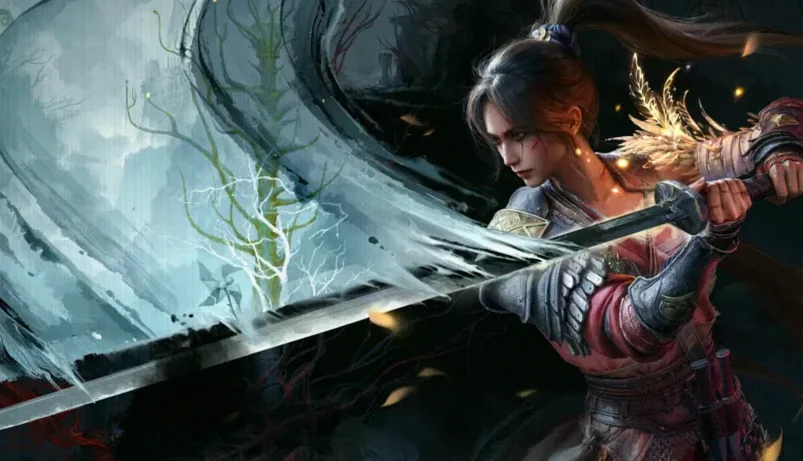
A year after the release of Wuchang: Fallen Feathers, publisher 505 Games has officially announced a sequel—now led by a new development team formed by the series’ original creative director. The shift in studio leadership, alongside a change in IP ownership, signals how the franchise plans to protect its identity while pushing forward.
What happened
Souls-like action game Wuchang: Fallen Feathers is getting a sequel, with 505 Games naming Indolphinity as the team developing the next chapter. Indolphinity is described as a new studio founded by Xia Siyaun, the game’s creative director.
This announcement lands after a turbulent transition behind the scenes. Less than a year after Wuchang released in July 2025, its original development team, Lenzee Games, was reportedly disbanded in April following a leadership dispute. For the sequel, 505 Games will return as publisher.
The timing also matches a major corporate move: 505’s parent company, Digital Bros Group, acquired the Wuchang IP in April. With that acquisition in place, Digital Bros Group plans to establish a new Chinese subsidiary in Chengdu to work closely with Indolphinity on the project.
At the moment, the sequel has no formal title, and the company has not shared gameplay specifics or a release window.
Why it matters
Beyond the studio shuffle, the announcement is framed around continuity of creative direction. In a press release, 505 Games and Indolphinity say they share a belief in the franchise’s long-term potential and a commitment to preserving the IP’s authenticity and cultural identity. They also state that future creative development will remain rooted in China through close collaboration between the original creator and 505 Games.
For players, this matters because Wuchang’s identity is tightly linked to its setting and combat feel. The original follows Bai Wuchang, a pirate character afflicted with a supernatural disease that grants demonic abilities. Set during China’s Ming Dynasty, the game is positioned as a genre entry that leans into familiar souls-like mechanics while emphasizing inventive combat customization and dynamic difficulty scaling.
The publisher also highlights momentum since launch, noting that Wuchang has surpassed 5 million players in the year following release.
What to watch next
The sequel is still a blank page in key areas: there’s no title, no confirmed gameplay direction beyond the franchise continuation, and no release timeframe. The most immediate developments to track are (1) how Indolphinity’s leadership influences design priorities, especially combat customization, and (2) what the Chengdu subsidiary’s involvement means for local production and collaboration.
It’s also worth watching how 505 and the studio balance continuity with iteration, given the reported disbanding of Lenzee Games after leadership conflict. Finally, with multiple souls-inspired titles already announcing sequels, Wuchang’s next step will be measured against a crowded wave of follow-ups across the genre.
Practical takeaways
- The sequel is confirmed, but details like title, gameplay changes, and release timing are not yet available.
- Development leadership shifts from Lenzee Games to Indolphinity, founded by the original creative director.
- Digital Bros Group’s acquisition of the Wuchang IP and a new Chengdu subsidiary suggest deeper long-term investment.
- If you liked Wuchang’s combat customization and dynamic difficulty scaling, keep an eye on how those pillars evolve.
- With the franchise already reaching 5 million players since launch, expect 505 to prioritize visibility as the sequel moves from concept to production.
Expert View
This announcement reads like a franchise stability play. 505 isn’t just buying time for a sequel—it’s repositioning the project around the original creative voice while restructuring the production pipeline through Indolphinity and a Chengdu presence. For players, that’s a hopeful sign: the sequel can chase growth without losing the cultural and combat identity that made Wuchang stand out. For the wider souls-like scene, though, it’s another reminder that studios can’t rely on genre momentum alone—leadership continuity and clear creative ownership will decide whether “inspired by” becomes “essential.”