Ethan Crossfield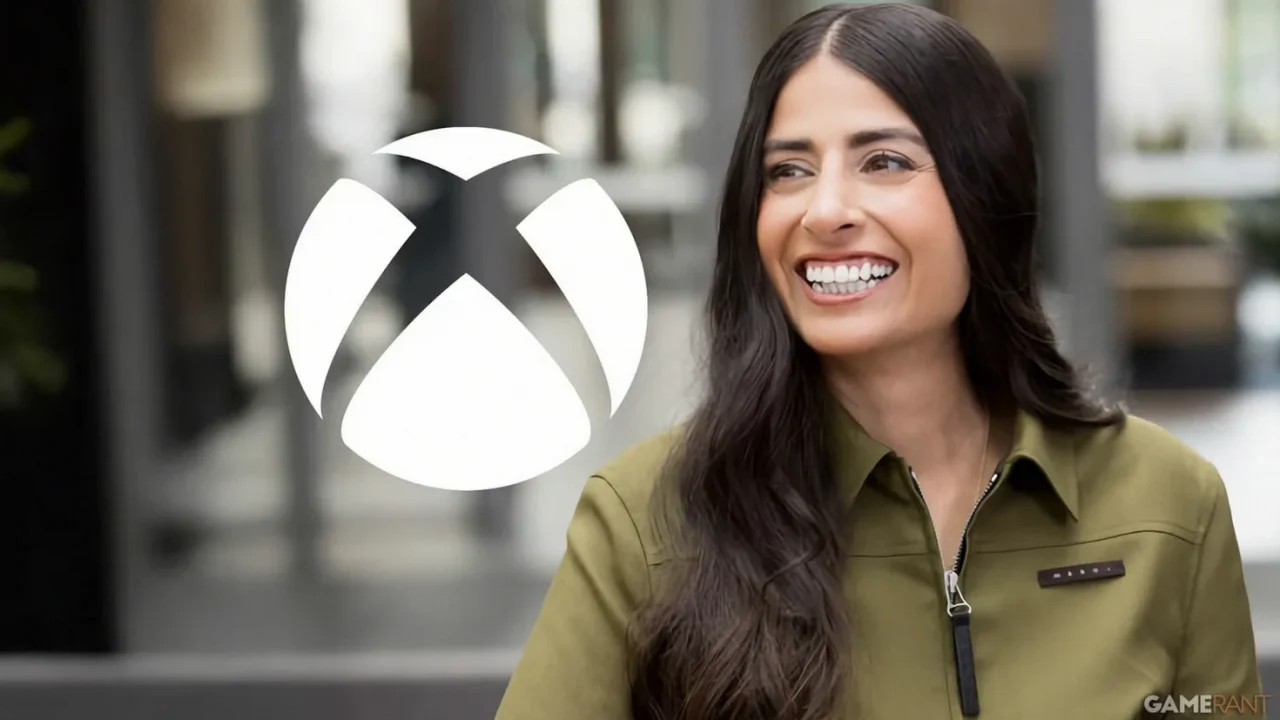
Xbox CEO Asha Sharma is betting on a turnaround after fresh reports pointed to financial weakness for the brand—insisting Xbox will be back on track and growing by next year. The comments land as she nears the end of her first six months leading the business, following major leadership reshuffles inside Microsoft Gaming.
What happened: confidence amid Xbox’s reported decline
Asha Sharma has publicly projected a positive future for Xbox despite indications that the business is not growing in line with its expanding player base. She highlighted that Xbox added more than 200 million new players during the 2026 fiscal year, yet revenue growth for the brand reportedly did not follow that audience increase. Sharma’s message is that Xbox needs to refocus on what players value, and she expects the platform to return to growth by the end of the next fiscal year.
Her optimism comes as Microsoft’s broader financial picture looks healthier in recent reporting—revenue and operating income were said to have increased across the company—while Xbox itself posted declines for the second quarter in a row compared with the previous year. The contrast sets the stage for a tough question inside the brand: if player numbers are rising, why aren’t the finances keeping pace?
The timing also matters because 2026 has already been a year of significant internal change. Phil Spencer confirmed he would retire from his Microsoft Gaming role after 38 years with the company, and leadership shifted to Asha Sharma. At the same time, Sarah Bond announced she would leave Microsoft, with Matt Booty stepping in as Chief Content Officer. Against that backdrop, Sharma is trying to stabilize both the message and the direction of Xbox.
Why it matters: leadership shift, content cadence, and Game Pass moves
Sharma’s turnaround plan appears to lean on two tracks: product investment and service strategy. She pointed to the need to invest in what players value, and the brand has already taken steps that could influence engagement and retention.
One notable move was Microsoft reducing the price of Xbox Game Pass Ultimate in April, lowering the subscription from $29.99 to $22.99. The source indicates this was followed by an uptick in subscriptions, suggesting Microsoft is willing to adjust pricing to drive momentum.
At the same time, Xbox’s release cadence has been a potential contributor to the financial pressure. During the final quarter of the 2026 fiscal year, Xbox had only one major first-party release, with Forza Horizon 6 launching in May 2026. Other headline projects were pushed outward—Fable is set for 2027, and Gears of War: E-Day is not arriving until October. With fewer large first-party beats within a given window, it becomes harder for the ecosystem to translate new player growth into higher revenue.
There’s also the question of exclusives. Sharma acknowledged increasing expectations that Microsoft return to first-party exclusives after several major Xbox franchises appeared on other platforms. Matt Booty previously indicated that future exclusives would be determined on a case-by-case basis, rather than as a blanket strategy.
What to watch next: a heavier slate in 2027 and beyond
If Sharma’s prediction is to hold, Xbox’s next fiscal year needs more than audience growth—it needs releases and platform value to land at the right time. The coming months are positioned as a potential inflection point.
Early 2027 includes the reboot of Fable, described as the revival of a beloved Xbox franchise. Later in the same broader period, Xbox will also be tied to major releases already on the calendar, including Halo: Campaign Evolved and Gears of War: E-Day. Even beyond Xbox’s own lineup, the platform’s competitive environment is set to intensify with Grand Theft Auto 6 arriving in the second half of 2026, though early reporting suggests PS5 pre-orders may be stronger than Xbox.
For fans, the key is whether Xbox can convert its expanding audience into sustained financial performance—especially after a year marked by leadership transitions and a thinner first-party release window.
- Watch whether Xbox’s reported revenue trend improves as the next fiscal year aligns with major releases.
- Track Game Pass Ultimate subscriber momentum following the April price reduction.
- Pay attention to how Xbox handles exclusives going forward, since the strategy is described as case-by-case.
- Consider the impact of fewer first-party launches in 2026 when judging whether financial results can rebound quickly.
Expert View
Sharma’s confidence is understandable: adding a massive number of new players but still missing on revenue signals a matchmaking problem between audience growth and monetizable value. The leadership shake-up gives her room to reframe that equation—especially with Game Pass pricing already adjusted and a clearer first-party roadmap ahead. For the Xbox scene, the next fiscal year won’t just be about releases like Fable and Gears of War: E-Day; it will be about whether Xbox can turn attention into sustained financial traction without losing momentum to multiplatform competition.