Ethan Crossfield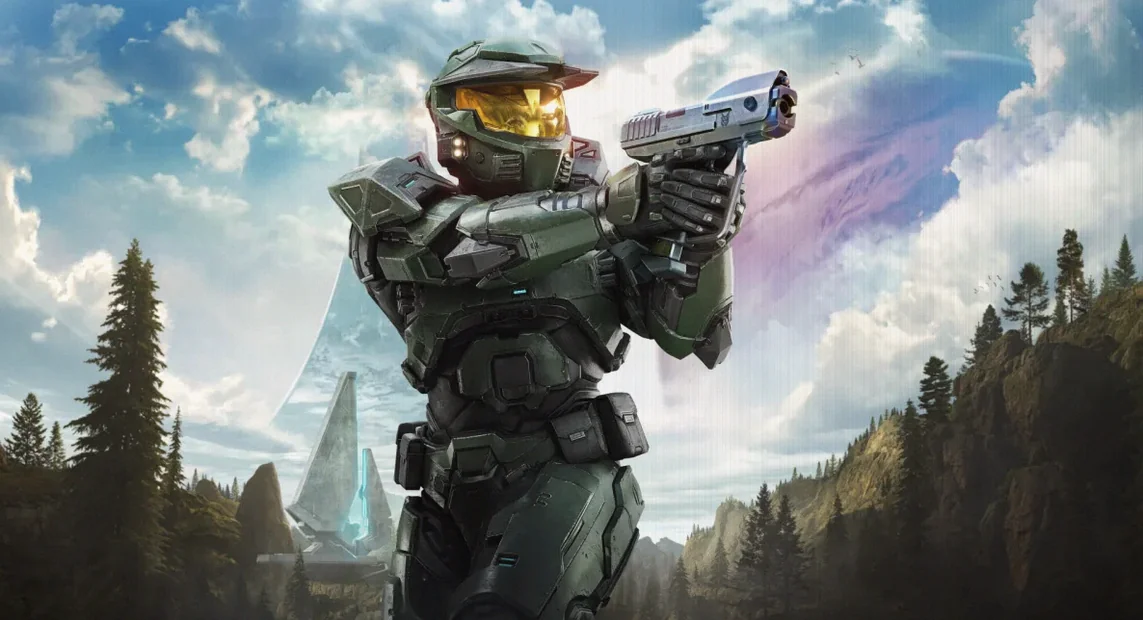
The latest Xbox restructuring shows how deeply Microsoft’s studio consolidation is reshaping its first-party gaming business. The company has announced 268 additional layoffs across its studios, management groups, and central functions, while assigning the next Halo project to a new team within Activision. The announcement also outlines changes affecting several major franchises and confirms further uncertainty for some Xbox-owned studios.
Another round of cuts extends Xbox’s ongoing reset
Xbox had already eliminated 1,600 positions earlier this year and warned that more reductions were coming. In a message from Xbox executive vice president and chief content officer Matt Booty, the company said the newly announced cuts represent part of a broader restructuring that is approximately three-quarters complete. The 268 affected roles span first-party development, Xbox Game Studios management, and central functions.
Halo Studios appears to be among the most affected teams. A small group will remain focused on supporting existing Halo games and the community, but responsibility for the next mainline Halo title is moving to a newly formed team inside Activision. The arrangement places two of the industry’s most recognizable first-person shooter properties, Call of Duty and Halo, within the same corporate structure.
Major studios and franchises are being reorganized
The Halo change is part of a wider redistribution of responsibilities across Xbox’s portfolio. Activision will also expand its remit to include World’s Edge, the studio associated with Age of Empires, and Rare, the developer behind Sea of Thieves.
Other changes are designed to group related production and live-service expertise. Bethesda will take responsibility for Obsidian while Obsidian continues its current projects, including Grounded and a new Fallout project being made with Bethesda Game Studios. King will absorb Microsoft Casual Games, bringing together two divisions focused on casual games and live operations. Playground Games and Turn 10 will become one studio focused on the Forza and Fable franchises after years of working as creative and franchise partners.
Divestitures and possible closures remain unresolved
Xbox also provided an update on studio divestitures announced several months ago. Compulsion Games and Double Fine have formally become independent. Undead Labs has reached an agreement with a new publisher, while State of Decay 3 is still expected to launch on Game Pass when it releases.
The outlook is less certain for Ninja Theory and Arkane. Two potential agreements involving Ninja Theory did not proceed, prompting Xbox to begin consultations over a proposed closure. Arkane is facing a similar process, with consultations expected to continue through the end of the year. The announcement does not establish the final outcome for either studio.
Key points
- Xbox announced 268 layoffs across studios, management, and central functions.
- A new Activision team will develop the next Halo title.
- Bethesda, King, Activision, Playground, and Turn 10 are receiving expanded or combined responsibilities.
- Compulsion and Double Fine are independent, while Ninja Theory and Arkane face possible closure consultations.
Confirmed restructuring changes
| Area | Change |
|---|---|
| Halo | A new team within Activision will develop the next title; Halo Studios retains a smaller support group. |
| World’s Edge and Rare | Their responsibilities will move under Activision’s expanded remit. |
| Obsidian | Bethesda will oversee the studio while its current projects continue. |
| Forza and Fable | Playground Games and Turn 10 will operate as one studio. |
Expert View
The restructuring signals a continued shift toward fewer, larger organizational units inside Xbox. That may simplify oversight and combine expertise, but it also reduces the separation between major franchises and increases uncertainty for teams whose identities were built around individual studios. For the Halo community, the immediate priority will be whether the smaller Halo Studios group can maintain support for current games while Activision establishes its new development team. More broadly, the move makes the long-term direction of Xbox’s first-party lineup increasingly dependent on how these newly combined groups perform.