Ethan Crossfield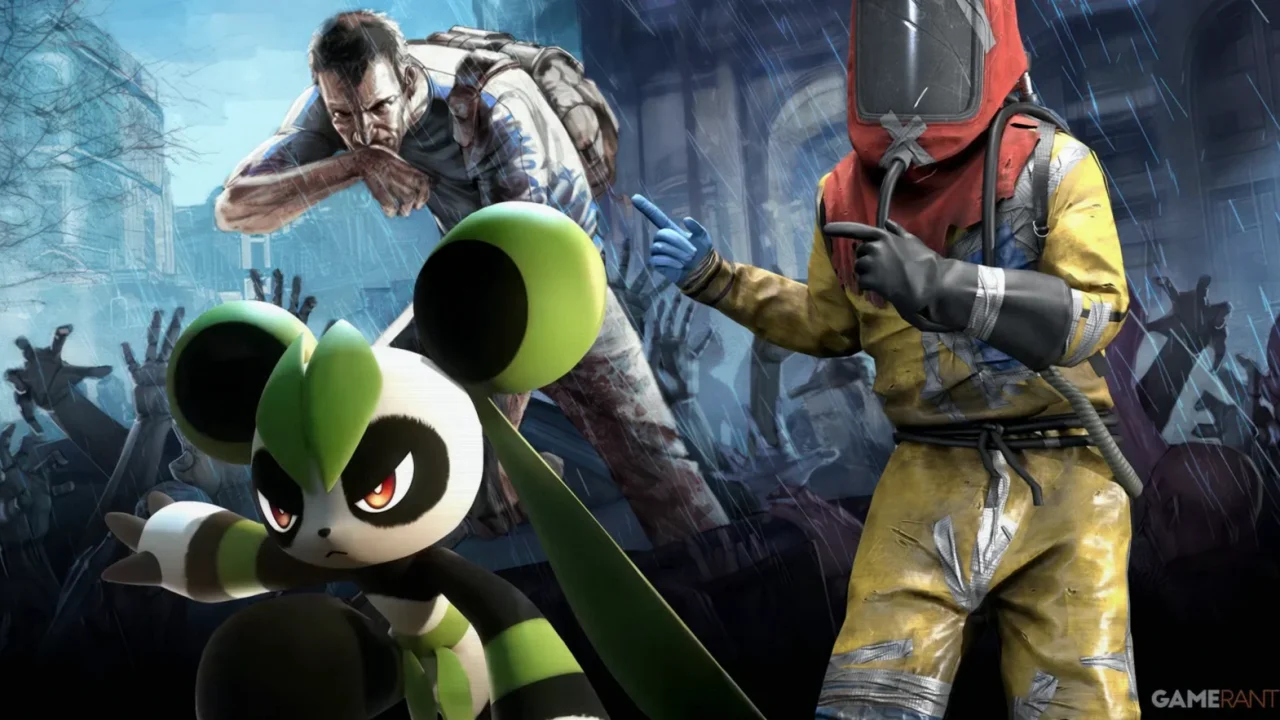
Rust has stayed relevant for years by turning survival into shared stories—build together, raid when you’re bold, and sometimes betray your allies. Now an indie studio is aiming to capture that same sandbox energy in a new way with Zeverland, a Rust-like co-op survival game that pairs Palworld-inspired visuals with Project Zomboid-style undead pressure.
A Rust-like sandbox, but with a brighter look and undead threats
Zeverland is the name of the newly surfaced Steam game, developed by Quantum Quirks. The big pitch is familiar: survive, craft, and rebuild in a shared world that can generate chaos on demand. But the presentation diverges from Rust’s first-person realism.
Instead of sticking to a first-person view and grounded aesthetics, Zeverland uses a third-person camera and a more cartoony, colorful style similar to Palworld. The enemy roster also changes the emotional tone. Rather than wildlife or military-style opposition, players face hordes of undead—still charming in appearance, but clearly dangerous.
That combination matters for fans of co-op survival: Zeverland is positioned as a friendly cooperative experience, with undead threats intended to give teams something to push against together. At the same time, it’s not just a skin swap. The game’s underlying mechanics are described as sharing substantial similarity with Rust, meaning players expecting survival systems and progression loops should find familiar structure under the stylized exterior.
Survive, explore, build—and even choose what you become
Zeverland’s core loop is built around survival needs, world traversal, and player-driven infrastructure. Players will have to manage thirst and hunger while using a mix of ranged and close-quarters tools, including bows, melee weapons, and guns.
Exploration is framed as a large-scale open-world experience, with the map described as exceeding 5,000 square kilometers. The world includes varied terrain and locations such as abandoned farms, lakes, mountains, and towns, plus the expectation that player-made structures will shape routes and encounters.
Building is central: players construct their own base camp piece by piece and also interact with structures created by other players elsewhere in the world. Zeverland also leans into “recruit and specialize” survival support. NPCs can be brought to your base for roles like chefs, tailors, security, and construction workers—turning the base from a static shelter into an evolving hub.
One of the most distinctive mechanics is infection. When bitten, players can restart as a human or continue as an especially strong, creepy monster, giving the survival game a branching “do you fight the curse or embrace it?” tension.
Co-op rebuilding, player interaction, and a roadmap beyond pre-alpha
Zeverland’s mission statement is essentially rebuilding a dead world—an idea echoed by the Fallout comparison in the source: push out, confront threats, and rebuild what’s broken. The game’s world-scale ambition is matched with craft-driven combat. Players won’t only loot cabinets and vending machines; they’ll craft killing tools designed to handle tougher zeds.
Examples of inventive weapon assembly include combining everyday items (like a clothes iron with a tennis rack, or a metal bat with an electric camera) and even using a zombie’s head as part of a weapon. The same creativity applies to base logistics and movement: players can repair routes, create structures that make traversal easier, and use interactive elements throughout the environment.
Importantly, co-op and other players aren’t treated as optional flavor. The source highlights scenarios where you benefit from someone else’s work—such as finding a player-made bridge over an obstacle—then leaving a gift for that creator to reward future interaction. Players can also use a radio to track signals from other survivors and team up.
On development status, Zeverland has had two pre-alpha tests, but it does not list a release date on its Steam page. Quantum Quirks has already outlined future directions after moving away from MMO ambitions to fully embrace co-op survival. Planned additions include an expanded faction storyline, power systems, farming and fishing, ziplines, more detailed weapon assembly, NPC polish, and additional map points of interest.
Key points
- Rust-like survival mechanics with co-op focus, but styled with third-person and Palworld-like visuals
- Undead hordes replace wildlife/military threats, bringing a Project Zomboid-adjacent survival pressure
- Base building, NPC recruiting, and infection branching (human restart vs monster progression)
- Steam page currently shows no release date; two pre-alpha tests already ran and more features are planned
Confirmed game details from the Steam listing
| Category | What’s known |
|---|---|
| Developer | Quantum Quirks |
| Camera / style | Third-person with cartoony, colorful visuals |
| Threats | Hordes of undead enemies |
| World size (stated) | Over 5,000 km² |
| Release date | Not listed on Steam (as of the source) |
Expert View
Zeverland’s pitch signals a market that’s still hungry for “Rust energy” without insisting on Rust’s exact presentation. By pairing Rust-like systems with co-op-first gameplay and a more accessible, colorful art direction, the game could broaden the survival audience beyond hardcore PvP communities. If the planned roadmap lands—especially co-op infrastructure (ziplines, power, farming) and deeper NPC roles—it may also encourage community-driven play patterns similar to other social survival sandboxes, where players don’t just fight the world, they leave it better for the next group that arrives.