Ethan Crossfield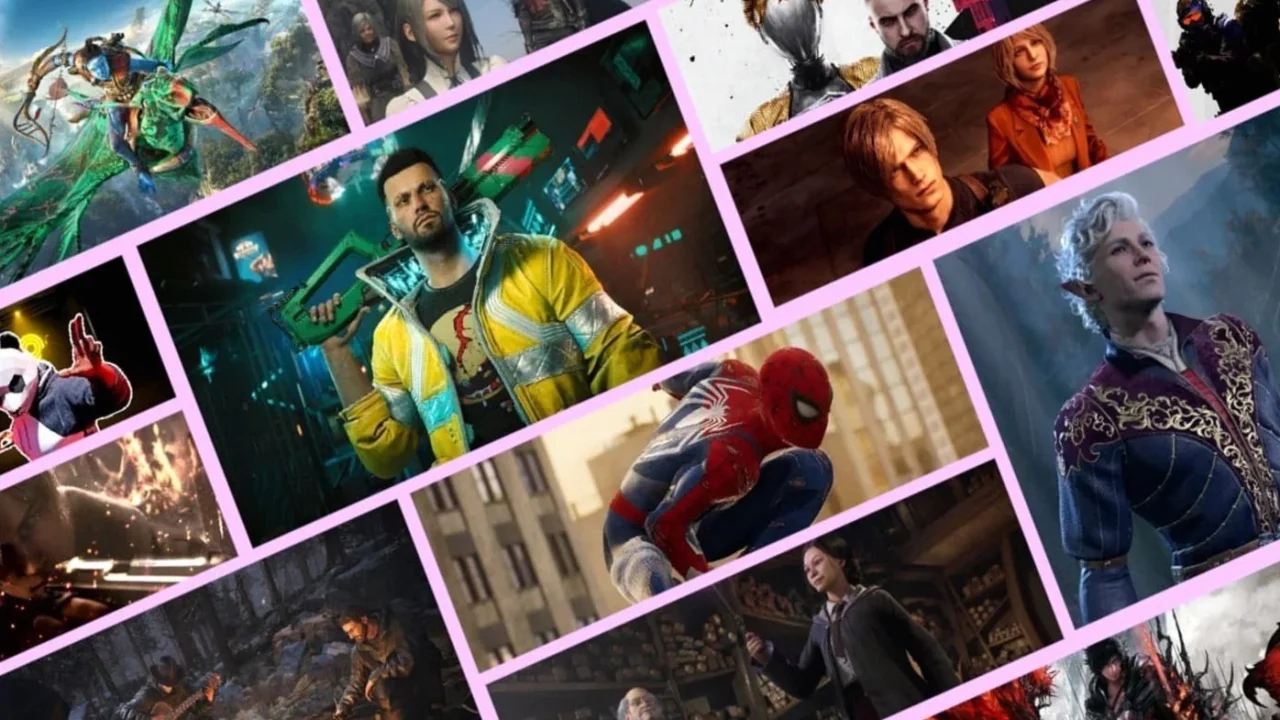
AAA games are built to impress—big studios, massive budgets, and years of work. From 2023 through 2025, the industry delivered a run of standout releases, but not every blockbuster landed cleanly. Here’s a definitive ranking of the AAA titles that most clearly earned attention, plus what patterns players should watch as the next wave approaches.
What happened: the AAA standouts (and the misfires) from 2023–2025
The best AAA releases of this period share a common trait: they either redefined a beloved franchise with modern tech, or built fresh worlds with enough variety to justify the genre’s scale.
In 2023, the Dead Space remake recaptured Isaac Clarke’s horror with a modern engine, dynamic lighting, and expanded story elements. Hogwarts Legacy brought Harry Potter fans into a customizable fifth-year experience where your choices shape the journey. Atomic Heart cleared up years of doubt and delivered a high-intensity shooter in an alternate-history USSR-inspired setting.
Resident Evil 4 Remake kept the core survival-and-monster pressure while updating visuals and sharpening the oppressive mood. Star Wars Jedi: Survivor continued Cal Kestis’s adult-era story, adding new combat tools—though it launched with serious performance issues that were later addressed. The Legend of Zelda: Tears of the Kingdom expanded Hyrule with new aerial and underground worlds and refreshed Link’s abilities. Street Fighter 6 pushed beyond standard matches with World Tour and a social hub built around community play.
Diablo IV was a major 2023 event with world bosses and striking presentation, but later criticism highlighted redundancy and an abrupt content feel. Baldur’s Gate 3 became the year’s defining RPG moment, winning major recognition and continuing to evolve after launch. Counter-Strike 2 marked a major technical shift for the franchise, replacing CS:GO and moving onto a new engine.
Across 2024 and into 2025, the list leans toward bold reinvention: Black Myth: Wukong pairs Unreal Engine 5 visuals with souls-like boss duels; Astro Bot leaned into PlayStation nostalgia with inventive DualSense-driven stages; and Warhammer 40,000: Space Marine 2 delivered a fast, atmospheric campaign built around melee, gunplay, and executions.
By 2025, players saw continued ambition in everything from Kingdom Come: Deliverance II’s expanded medieval simulation to Avowed’s faction-driven RPG structure. Monster Hunter Wilds leaned into a seamless living-world approach and emphasized a more beginner-friendly entry point while keeping deeper tactical combat options.
Why it matters: the trends shaping AAA right now
Across these years, three pressures define whether a AAA release feels “worth it” after the marketing ends.
First, modern presentation is no longer optional. Multiple entries leaned on updated engines, cinematic presentation, or richer atmosphere—whether it’s dynamic lighting in Dead Space, the “movie-like” framing of Final Fantasy XVI’s cutscene-heavy approach, or Unreal Engine 5 polish in Black Myth: Wukong.
Second, players increasingly expect the world to stay meaningful. Tears of the Kingdom’s added layers of exploration, Dragon’s Dogma 2’s lack of hand-holding, and S.T.A.L.K.E.R. 2’s evolving Exclusion Zone all aim to make traversal and discovery feel like the game’s core promise.
Third, launch quality and long-term support still decide reputations. Jedi: Survivor’s early performance problems show how quickly a great direction can be overshadowed. Meanwhile, BG3’s post-launch epilogue addition reflects a growing expectation that major RPGs should respond to community feedback.
Even when a game’s concept stays familiar—like Diablo IV—players judge whether the experience sustains itself beyond the first rush of content. The lesson is clear: AAA must deliver not only spectacle, but also depth, pacing, and longevity.
What to watch next: where the next AAA leap will come from
Looking forward, the next AAA leap is likely to come from hybrid design—games that combine cinematic scale with systems that stay interactive. Titles like Dragon’s Dogma 2 (class switching and pawn-driven combat), Stellar Blade (challenge-focused boss fights with customization), and Frostpunk 2 (political and faction management across a larger metropolis) point to a future where variety is built into the loop.
Platform and community features also remain a differentiator. Street Fighter 6’s Battle Hub and World Tour structure show how AAA can function as a social platform, not just a single-player product.
Finally, expect more attention on launch stability. Even the most promising direction can be damaged by poor optimization, and studios are already being measured against that standard.
Quick takeaways for players and esports viewers
- Prioritize games that add meaningful new mechanics—not just updated graphics—since this period’s standouts tied presentation to gameplay depth.
- If a title is heavy on exploration or systems, check how it handles pacing and progression (e.g., world variety vs. repetitive content).
- Watch for post-launch responsiveness: major RPGs and narrative games can improve when developers address player concerns.
- For competitive-minded audiences, note how fighting and shooter titles are evolving into social spaces (World Tour, hubs, and modern matchmaking ecosystems).
- Be mindful that launch performance can make or break first impressions, as seen with Jedi: Survivor’s early issues.
Expert View
This 2023–2025 run shows AAA is moving away from “bigger” as the only selling point. The releases that earned lasting attention weren’t merely polished—they connected spectacle to repeatable systems: exploration loops, boss-centric combat, branching narrative consequences, or community-first modes. The flip side is equally important: when content pacing or optimization fails, even a flagship franchise can lose momentum fast. For players, the best strategy is simple—look for games where the core loop remains compelling after the first playthrough, and where the studio’s post-launch behavior signals it will keep improving the experience.
FAQ
Which AAA release in this list most clearly modernized a classic horror experience?
Dead Space (remake) modernized the atmosphere and presentation while expanding story elements, bringing Isaac Clarke’s horror to a new technical level.
What game in the ranking best represents AAA social and competitive expansion?
Street Fighter 6, which added World Tour and the Battle Hub as a shared space for community play and mini-game variety.
Which title is highlighted as a major RPG milestone with continued support after launch?
Baldur’s Gate 3, recognized for major awards and later receiving a new epilogue after player dissatisfaction with the original ending.