Ethan Crossfield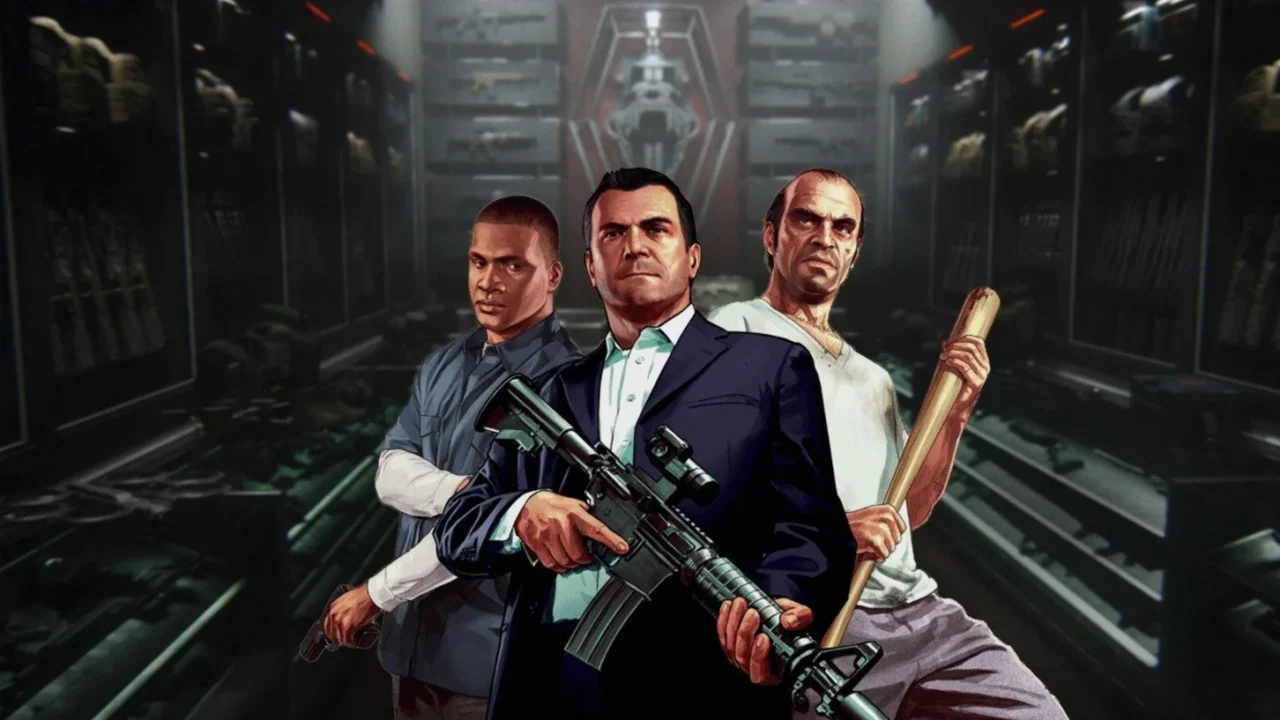
Weapon culture is the real “endgame” in many modern releases—and these 10 titles prove it by turning arsenals into the main event. Whether you’re building guns from junk, swapping loadouts mid-fight, or drowning in millions of loot drops, the difference between victory and chaos is often what you can carry.
What happened: arsenals turned into the core gameplay loop
A lot of games promise combat, but these ones make the collection, modification, and experimentation with weapons the headline feature.
In Fallout 4, players can assemble an enormous variety of guns, including a “construction set” style approach to building loadouts from scraps. Pipe weapons—often treated like improvised trash—become dramatically more dangerous once mods are added, transforming a crude “stick with a nail” into something closer to a sniper threat. If you want a cleaner path to mayhem, plasma rifles can vaporize super mutants, while chainsaws let you start literal wasteland massacres.
Destiny 2 approaches the problem differently: it’s a weapon buffet with nearly 1,500 gun types. Exotic weapons lean into distinct fantasy flavors, with some firing lasers and others using magic-like effects. The game’s progression creates a recurring dilemma—whether to keep older favorites “just in case”—but the real danger is letting inventory clutter block your slots before a raid.
Monster Hunter Wilds treats weapons as both tools and identity. You can be a knight with a two-handed sword or roast monsters with flamethrowers. The series’ variety gets an upgrade with the ability to swap weapons on the fly, so if a monster resists your current plan, you can pivot instantly. The arsenal also includes unusual options like magnetic spikes or acceleration-focused axes.
Cyberpunk 2077 ties weapons to playstyle. Gun users can lean into classic recoil-heavy shooting, while tech-minded builds benefit from homing weapons that track targets. When you want something sharper than bullets, the game also supports arm-embedded blades—but it comes with the need to level up cyberchips. Beyond roughly 25 weapon types, hacking can neutralize threats without drawing a gun.
Helldivers 2 keeps the firefight moving with 13 weapon types for insect combat, plus strategic tools that can call in heavy support such as turrets or even a nuclear strike. It also added melee options, allowing players to bash enemies with their rifle butt after the update.
Grand Theft Auto V doesn’t flood you immediately, but it quickly becomes an armory simulator. By the middle of the game, you can amass pistols, assault rifles, shotguns, uzis, snipers, baseball bats, and grenade launchers—totaling 101 weapons.
Far Cry 6 doubles down on “junk engineering.” The Resolver lineup turns scavenged parts into standout systems, including a machine gun built from a motorcycle engine and a grenade launcher made from a turntable. Supremo—a backpack with rockets, electricity, or explosive capability—reinforces the game’s philosophy: offense first.
Payday 2 starts you modestly, but progression escalates the fantasy fast: a golden spoon that sets enemies on fire, plus a double-barrel shotgun that fires in bursts. Loadout tools like an ECM jammer and Molotov cocktails keep the heists chaotic, and if shooting stops being fun, you can still fight your way out with fists.
Tears of the Kingdom turns weapon variety into a crafting playground. The arsenal spans from pitchforks to the legendary master sword, and item-combination mechanics allow temporary solutions—like using a stone and stick to handle Bokoblins. Players experiment constantly, from torches to massive claymores.
Borderlands 3 is the final escalation: the game leans into absurd quantity, with millions of guns and weapon behaviors that feel like gimmicks taken seriously. Acid rifles, grenade-like shotguns, and pistols that deliver obscene voice effects all exist in the same ecosystem. Legendary guns like the Backburner add to the “weapon-as-art” vibe, and the game’s design encourages testing every drop immediately.
Why it matters: arsenals shape how players commit to fights
These games don’t just give you weapons—they shape your decision-making under pressure.
Destiny 2’s inventory pressure shows how loot systems can become a tactical constraint, not just a collection mechanic. Monster Hunter Wilds demonstrates why adaptability matters: quick swaps reward knowledge of immunities and resistances. Cyberpunk 2077 highlights build identity, where weapon choice and progression systems like cyberchips determine what kind of threat you can delete.
Meanwhile, GTA V and Borderlands 3 prove that sheer variety can be its own reward loop. When there are dozens (or millions) of options, players spend time chasing “the next one,” and that chase becomes a form of engagement—especially when every weapon feels testable right away.
What to watch next: weapon systems keep evolving
Across the board, the trend is clear: studios aren’t only adding new guns—they’re expanding how guns enter the player’s life.
Expect more on-the-fly weapon flexibility like Monster Hunter Wilds, more playstyle-driven toolkits like Cyberpunk 2077, and more “engineering fantasy” like Fallout 4 and Far Cry 6. Helldivers 2 also points to continued expansion beyond traditional ranged combat, with melee updates broadening how players approach close-quarters chaos. In short: the arsenal isn’t just content—it’s the future of buildcraft, experimentation, and co-op decision-making.
Quick takeaways for players and esports viewers
- Treat inventory management as strategy—Destiny 2 can punish “just in case” clutter before raids.
- Build your combat plan around adaptability: if a monster or enemy type resists you, quick weapon swaps can be decisive.
- Lean into identity-driven loadouts: in Cyberpunk 2077, your weapon choice is inseparable from your progression.
- Don’t ignore experimental weapons—Borderlands 3 and Fallout 4 both reward testing unusual builds immediately.
- In co-op shooters like Helldivers 2, explore how strategic tools complement your basic weapons for faster team wins.
| Game | Arsenal focus from the source |
|---|---|
| Fallout 4 | Crafting and modding weapons from junk; pipe guns become powerful with mods |
| Destiny 2 | Near-1,500 gun types; exotic weapons with laser/magic themes |
| Monster Hunter Wilds | Weapon identity plus on-the-fly swapping; exotic options for specialized hunts |
| Cyberpunk 2077 | Playstyle-linked weapons; homing guns, arm blades, and hacking alternatives |
| Helldivers 2 | Ranged and strategic arsenal against insects; melee added to the mix |
| Grand Theft Auto V | Large total variety (101 weapons) enabling an armory-style sandbox |
| Far Cry 6 | Resolver engineering from junk; Supremo backpack offensive utility |
| Payday 2 | Progression from modest gear to outrageous weapons (golden spoon, burst shotgun) |
| The Legend of Zelda: Tears of the Kingdom | Crafting and item combination for temporary weapon solutions |
| Borderlands 3 | Millions of guns and legendary weapon behaviors that encourage constant testing |
Expert View
The most important shift across these titles is that “loot” or “weapons” stop being a background system. They become the language of gameplay—how you solve fights, how you express a build, and how you stay engaged minute-to-minute. For studios, the lesson is clear: variety is valuable, but interactivity is what turns arsenals into a true player obsession. When weapon systems are creative (junk engineering, crafting combos, on-the-fly swapping), players don’t just collect—they experiment, and that experimentation is what sustains communities and co-op play.
FAQ
Which game in this list is best for weapon customization and crafting?
Fallout 4 and Tears of the Kingdom both emphasize building and adapting weapons through mods and item combinations.
What game has the biggest variety of guns mentioned in the source?
Borderlands 3 is described as having literally millions of guns.
Which title makes weapon choice strongly tied to your overall playstyle?
Cyberpunk 2077, where firearms, homing weapons, arm blades, and hacking all connect to how you build and level.