Ethan Crossfield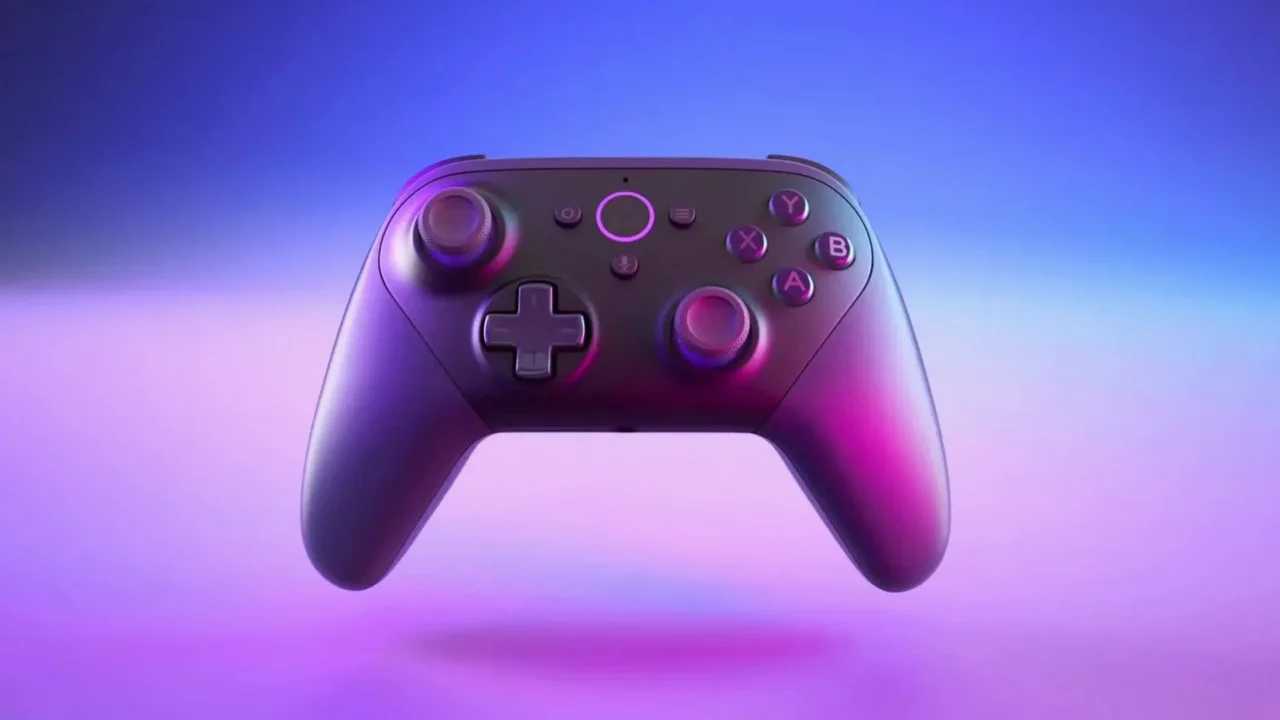
Cloud gaming is gaining momentum as hardware costs rise and players look for cheaper ways to access new releases. Against that backdrop, Amazon Gaming’s leadership believes the recent spike in home console prices could turn into an unexpected advantage for Amazon Luna.
Why console price pressure may push players toward streaming
In an interview, Amazon Gaming General Manager Jeff Gattis argued that the industry’s increasing console prices could become “a major boon” for Amazon Luna. His core idea is straightforward: when entry costs for home platforms jump, more players start looking for alternatives—especially services that let them stream games rather than buy new hardware.
Amazon launched its cloud streaming platform in 2022 as an alternative to buying consoles, and Luna’s positioning remains tied to accessibility. Gattis emphasized that Luna wasn’t designed solely for hardcore gamers, but for an audience that—according to him—hasn’t been well served by consoles and PC, particularly as the overall cost of gaming continues to climb.
Luna also supports a range of devices, spanning PCs and mobile options, and it has been expanding its footprint through Amazon’s entertainment ecosystem. The service has even been added to Prime Video, reinforcing the company’s approach of making game streaming easier to discover and access.
The Luna pitch: more access for players, not just a new storefront
Gattis also addressed the skepticism Amazon faces from publishers. Many publishers, he noted, worry that streaming could “cannibalize” sales on other platforms. That concern is common across the cloud gaming space, where rights and revenue models can feel more complex than traditional storefronts.
Still, Amazon’s argument is that Luna can reach players who otherwise wouldn’t get those games at all. Gattis framed Luna as a way to broaden access—particularly for users who may not be able to justify console or PC upgrades.
To strengthen that case, Luna continues to add recognizable franchises. The platform has also continued to build out its Prime Video and Fire TV implementation, keeping the service tied to devices and services people already use rather than requiring a fully separate “console-like” routine.
Hardware shortages are reshaping the economics of play
The console price conversation isn’t happening in isolation. The source points to an ongoing RAM shortage that has affected the gaming industry since late 2025, with additional pressure coming from rising demand for RAM chips from AI data centers.
That shortage has been tied to higher console pricing, with multiple platforms seeing notable increases. Sony raised the price of the PlayStation 5 in April, lifting the standard disc-drive model to $649.99 and pushing the PS5 Pro to $899.99. Microsoft’s Xbox Series X and S also saw changes in late June, including a $799.99 price for the disc-drive version of the Series X (1 TB model).
Even when looking beyond consoles, the broader pattern is the same: high upfront costs can make streaming more appealing. Gattis referenced Valve’s Steam Machine, which sold for more than $1,000 at launch, as an example of how expensive hardware can lead many prospective games to land in the “consideration pool” for cloud solutions.
Key points
- Jeff Gattis believes rising console prices could benefit Amazon Luna by lowering the barrier to play.
- Luna is positioned for users who may feel underserved by consoles and PC as gaming costs rise.
- Publishers remain cautious about streaming potentially reducing sales on other platforms.
- A RAM shortage has contributed to higher console prices, reinforcing interest in alternatives.
| Platform | Price change mentioned | When (as stated) |
|---|---|---|
| PlayStation 5 (standard disc drive) | $649.99 | April |
| PlayStation 5 Pro | $899.99 | April |
| Xbox Series X (disc drive, 1 TB) | $799.99 | Late June |
Expert View
If console pricing keeps climbing, cloud services like Luna may find a larger audience for the simplest reason: affordability. The competitive implication is that streaming won’t just be an “alternative for enthusiasts”—it can become a default option for players priced out of hardware upgrades. For the esports and creator ecosystem, that could mean more consistent access to big releases across devices, potentially widening the talent pool and viewership. The publisher challenge remains real, but Luna’s pitch—reaching players who otherwise wouldn’t play—gets more persuasive when the industry’s underlying hardware economics are moving against consumers.