Ethan Crossfield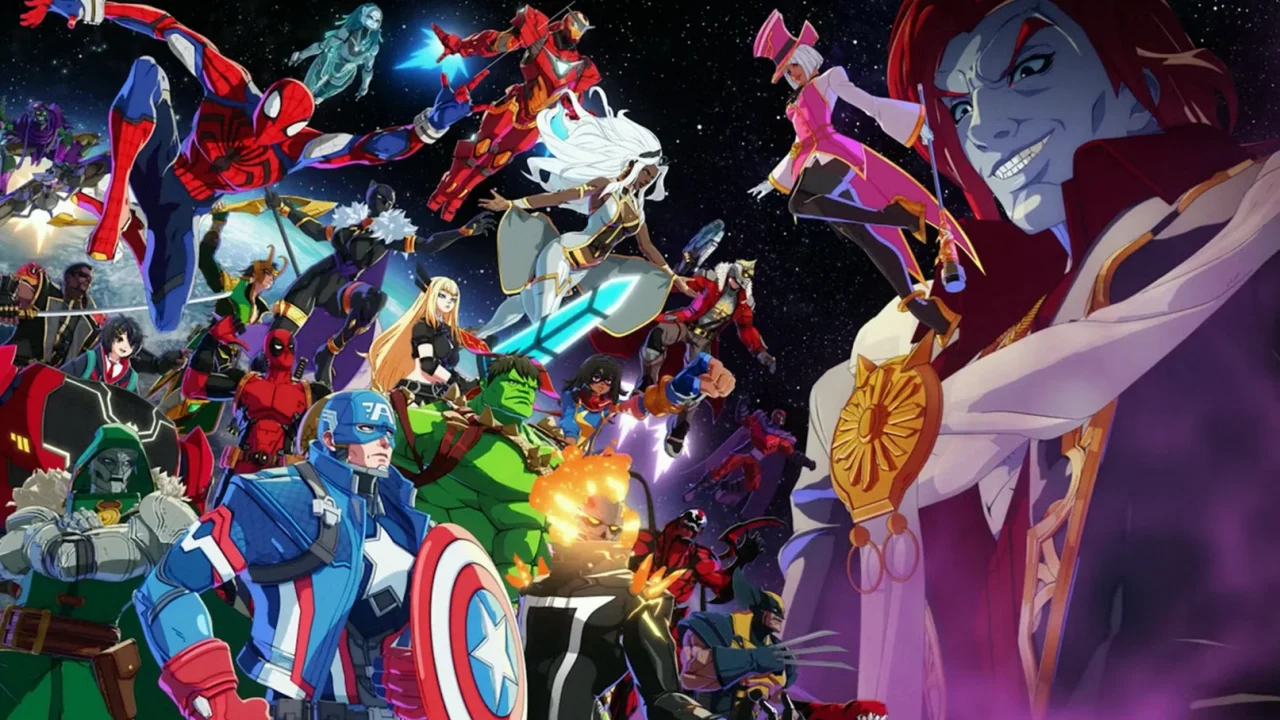
Arc System Works is responding to player feedback from the massive open beta for Marvel Tokon: Fighting Souls, announcing a slate of launch changes—most notably aimed at PC performance and online stability. With launch approaching, the studio’s willingness to iterate quickly could determine how smooth the game feels from day one.
What happened in the open beta
The open beta weekend gave many players their first chance to access Marvel Tokon: Fighting Souls. Unlike earlier builds shown at major events such as EVO 2026, this version offered a large, broad slice of the game’s content. Players could try a substantial portion of the roster, including 15 of the 20 planned launch characters, and test offline options like local battles against AI. The beta also included Episode Mode story content, plus online play for casual matches and exploring the Marvel Lobby, which the community had been able to treat as an Easter-egg hub.
Even with all that access, the beta revealed problems that affected the experience for some users. The issues were significant enough that Arc System Works followed up publicly after the weekend ended, acknowledging the frustrations and setting expectations for fixes before launch.
Why it matters: targeted PC and online improvements
In a post following the beta, Arc System Works thanked players for participating and framed the feedback as “message received.” The studio is already working on improvements tied to the PC problems reported over the weekend, including performance-related concerns.
Arc System Works specifically called out efforts to address lag, rollback netcode issues, frame rate drops, and crossplay problems. Beyond netcode and stability, the studio also indicated changes to core systems: reducing overall CPU usage and fixing a startup problem that could trigger an unnecessary shader compile. For players who stream or create content, the studio is also working on better compatibility with OBS and Discord—an acknowledgment that technical issues aren’t only about gameplay, but also about how the game runs in real-world setups.
While Marvel Tokon: Fighting Souls is described as having steep PC requirements, the source notes that even players meeting or exceeding those demands still ran into a range of symptoms, from stuttering and lag to frame drops and processor bottlenecking. Those frustrations quickly spread online, including new posts on social media and Reddit—adding pressure for the studio to deliver practical fixes in time.
What to watch next before launch and beyond
With launch seemingly about a week away, Arc System Works has already started teasing what comes after release. During San Diego Comic-Con, the studio revealed that Phoenix Cyclops will be the first DLC character.
This iteration of Cyclops is notable for its story framing: Scott Summers is bonded with the Phoenix Force, a concept originally tied to the 2012 Avengers vs. X-Men comic storyline. For fighting game viewers and esports fans, the immediate question is how this DLC character will shape matchups and team compositions once the base game stabilizes.
Equally important is whether the launch-day changes translate into measurable improvements—especially for PC performance, rollback behavior, and crossplay reliability—since those were the most repeatedly flagged pain points during the beta.
Practical takeaways for players and esports viewers
- If you played the beta on PC, expect the biggest attention to go to lag, rollback netcode behavior, frame rate drops, and crossplay stability.
- Arc System Works is also targeting efficiency improvements (lower CPU usage) and a startup shader compile issue, which may reduce stutter-like behavior at launch.
- Streamers should watch for updates that improve OBS and Discord compatibility before and around release.
- With Phoenix Cyclops confirmed as the first DLC, keep an eye on how the character’s Phoenix Force theme could influence future meta discussions.
Expert View
Arc System Works’ response reads like a classic “beta reality check” moment: the studio didn’t just thank players, it mapped feedback to specific technical categories—performance, rollback/netcode, crossplay, and even streamer tooling. For players, that’s encouraging because it targets the kinds of issues that can ruin first impressions and discourage online competition. For the scene, faster iteration can help the game reach a more consistent baseline before it starts accumulating tournament and community momentum. The risk is timing: with launch close, players will judge the fixes not by intent, but by whether lag, frame drops, and crossplay problems are meaningfully reduced.