Ethan Crossfield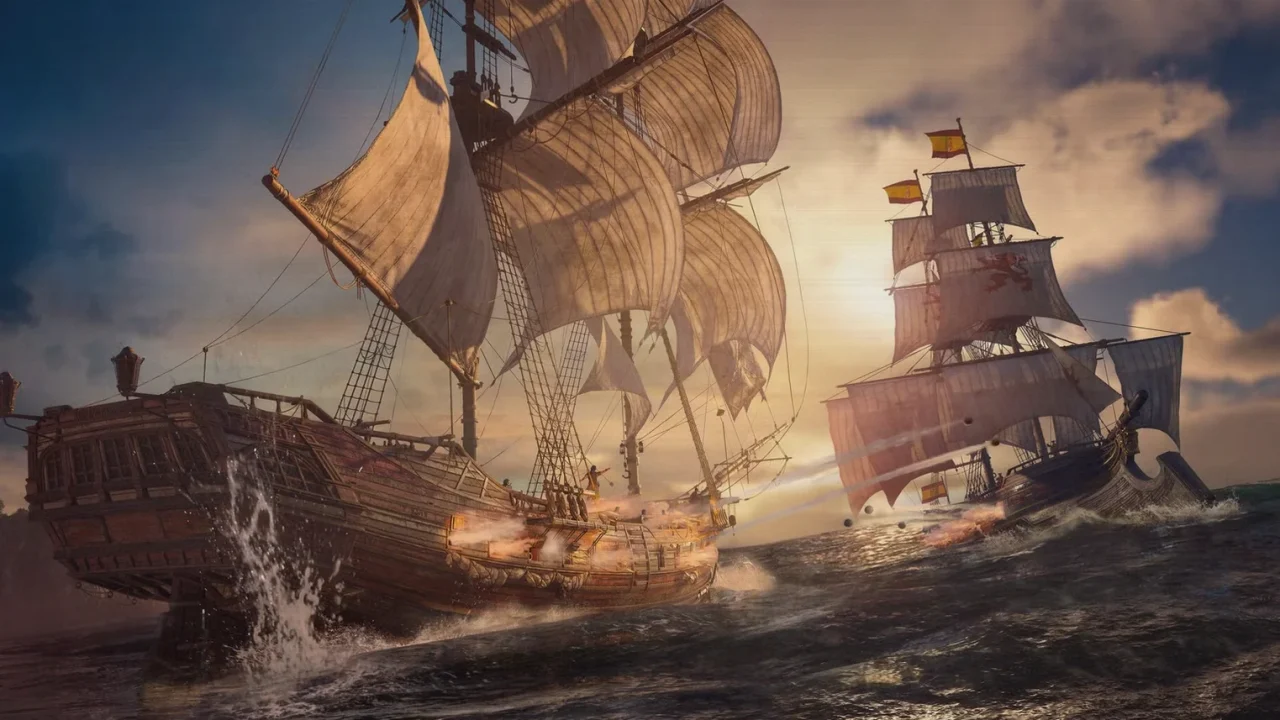
If you’ve been skipping optional ship-combat choices in Assassin’s Creed Black Flag Resynced, you might be missing a small but striking moment: when a ship goes down, it doesn’t just vanish—it sinks in a way players can actually follow. Here’s what’s been found and what it means for anyone trying the remake’s naval battles.
What changed in ship combat after a ship is sunk
Recent player discoveries point to a very specific behavior in Assassin’s Creed Black Flag Resynced’s naval fights: when you sink an opposing ship, the game doesn’t simply make it disappear or break apart above the ocean. Instead, the ship continues its descent, and players who react in time can track it as it sinks to the depths of the game’s map.
This matters because the usual “sink” expectation in many games is either an instant cleanup or a visual trick that ends the encounter immediately. In Black Flag Resynced, the sinking sequence can be followed, adding a layer of realism and immersion—especially for players who decide to go beyond the typical next objective.
The discovery also highlights how the remake handles outcomes after combat. While players generally have strong incentives to move on—boarding a stalled ship for loot and repair opportunities such as fixing the Jackdaw—this hidden sinking behavior rewards the less common choice: letting the ship sink and then committing to observing what happens next.
Who is affected: players using unusual routes and actions
The detail hasn’t been widely noticed, largely because it depends on a chain of choices that most players won’t naturally attempt. According to the report, you need to take a route in ship combat that’s described as suboptimal, then do something that “almost no one” would think to do.
In other words, the secret isn’t tied to a flashy, obvious mechanic you stumble into during normal play. It’s tied to behavior after the battle outcome—specifically, sinking a ship and then following through afterward rather than treating the encounter as complete.
The discovery also credits Ubisoft Singapore (along with support studios) for anticipating this kind of player curiosity. The implication is that the remake’s systems account for what happens even when players pursue an unusual line of play, and the sinking sequence is designed to hold up to that scrutiny.
Why it matters for the remake—and what comes next
Assassin’s Creed Black Flag Resynced has been out for a couple of weeks, and this kind of finding is a reminder that remakes can still contain moments that take time to surface. Even if the game isn’t defined solely by “little details,” the report argues that small touches like this can help push it further—especially in a mode as visually grounded as ship combat.
The larger context is that Ubisoft is already positioning the remake approach as more than a one-off. The article notes that if Ubisoft capitalizes correctly, Black Flag Resynced could become a turning point for future Assassin’s Creed titles—and even for upcoming “Resynced” releases. It also references rumors that the very first Assassin’s Creed game may be next in line for a remake treatment.
For now, the practical takeaway is simple: if you’re sailing through ship battles efficiently, you may be skipping a moment that only appears when you choose to sink first and then look deeper into what the game does afterward.
What players should know
- In Assassin’s Creed Black Flag Resynced, sinking a ship can lead to a sequence where the ship continues sinking rather than disappearing immediately.
- The detail is hard to notice because it depends on taking an unusual (described as suboptimal) path during ship combat.
- Players can follow the ship as it sinks to deeper parts of the map, but it’s not something you’ll do every time—most players will prefer boarding for loot and repair options.
- The discovery is tied to how Ubisoft Singapore and support studios handled outcomes after naval encounters.
Expert View
This kind of hidden behavior is exactly what separates a “polished remake” from one that feels genuinely built to support player curiosity. The ship-sinking follow-through won’t change how efficient combat works, but it adds credibility to the world and rewards players who break routine. As a sign of care in the remake’s systems, it’s a promising signal—especially if Ubisoft keeps designing for more than the most obvious player routes.