Ethan Crossfield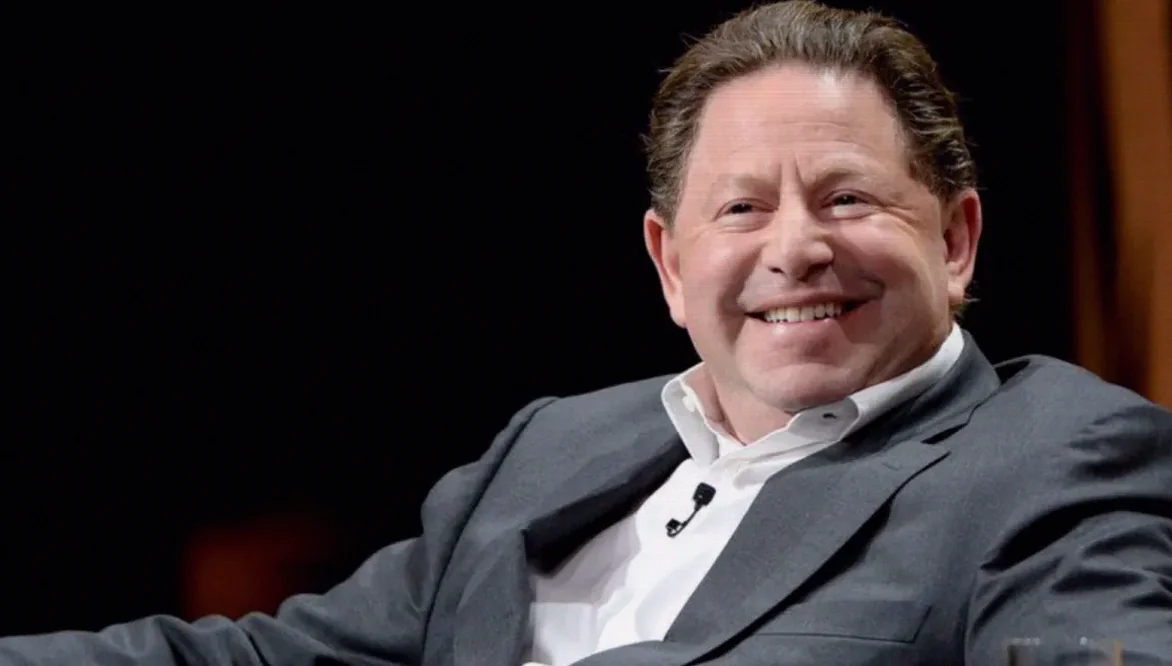
Major media consolidation can quickly reshape the games business, particularly when publishers and major entertainment franchises sit inside the companies changing hands. That is now a key consideration for WB Games after Paramount completed its takeover of Warner Bros. and Skydance formed a new board to guide the combined company. Former Activision Blizzard CEO Bobby Kotick is among the newly appointed directors, giving the executive a prominent role in the company overseeing Warner Bros.' film, television and gaming assets.
A New Board for Skydance
Kotick will join Skydance's board alongside investor and philanthropist Laurene Powell Jobs. The appointments come as the $111 billion Warner Bros.-Paramount merger is completed and the combined business begins defining its leadership structure. Skydance chairman and CEO David Ellison pointed to Kotick's long experience running a global entertainment operation, particularly his work on established franchises, fan engagement and major strategic decisions. The board role does not come with a public announcement of direct responsibilities for the games division, but it places Kotick within the governance group helping set the wider company's direction.
Why the Deal Matters to Games
Warner Bros. brings a notable games portfolio into the new corporate picture. WB Games publishes titles and series including Batman: Arkham, Hogwarts Legacy, TT Games' Lego games and Mortal Kombat. Those properties connect the publisher to some of entertainment's biggest licensed and internally developed franchises, making the merger relevant well beyond film and television. No plans for WB Games have been announced. Still, large-scale mergers often prompt companies to review budgets, structures and priorities as they integrate separate businesses. For players, the immediate takeaway is that the publisher's franchises are now part of a much larger organization entering a transition period.
Kotick's Activision Blizzard Record Remains a Factor
Kotick led Activision Blizzard until late 2023, when Microsoft's acquisition of the company was finalized. His tenure included sustained growth for major brands such as Call of Duty, but it was also marked by public controversy. Activision Blizzard faced lawsuits alleging a toxic workplace culture and widespread sexual harassment. The case was settled in 2023 for $54 million without an admission of wrongdoing. Employees had also publicly criticized management, with thousands signing an open letter seeking change and workers organizing a walkout in 2021. Kotick was accused of minimizing harassment reports and allowing misconduct to continue, allegations that have continued to shape discussion around his leadership.
What Comes Next for WB Games
There is no confirmed games strategy from Skydance, Paramount or Warner Bros. following the transaction. The comparison most closely watched by industry observers will be Microsoft's Activision Blizzard integration, which brought Activision Blizzard games to Game Pass but was followed by thousands of layoffs. That outcome does not establish what will happen at Warner Bros. or WB Games, but it illustrates why employees and communities will monitor the new company's next business decisions closely. Any confirmed changes to studio operations, release plans or franchise investment will be especially significant for the teams behind its major game properties.
Key points
- Bobby Kotick has been appointed to Skydance's new board of directors.
- The appointment follows Paramount's completed takeover of Warner Bros. in a $111 billion merger.
- WB Games properties include Batman: Arkham, Hogwarts Legacy, Lego games and Mortal Kombat.
- No specific changes to WB Games, its studios or its upcoming projects have been announced.
Expert View
The appointment signals that Skydance values experience in franchise-led entertainment as it combines major media businesses. For the games market, the important issue is not an immediate change in ownership alone, but whether the new leadership treats WB Games as a growth engine or a division to streamline. Its catalog has powerful brands and broad mainstream reach, so decisions made during integration could affect development investment, studio stability and the future cadence of some of gaming's best-known licensed franchises.