Ethan Crossfield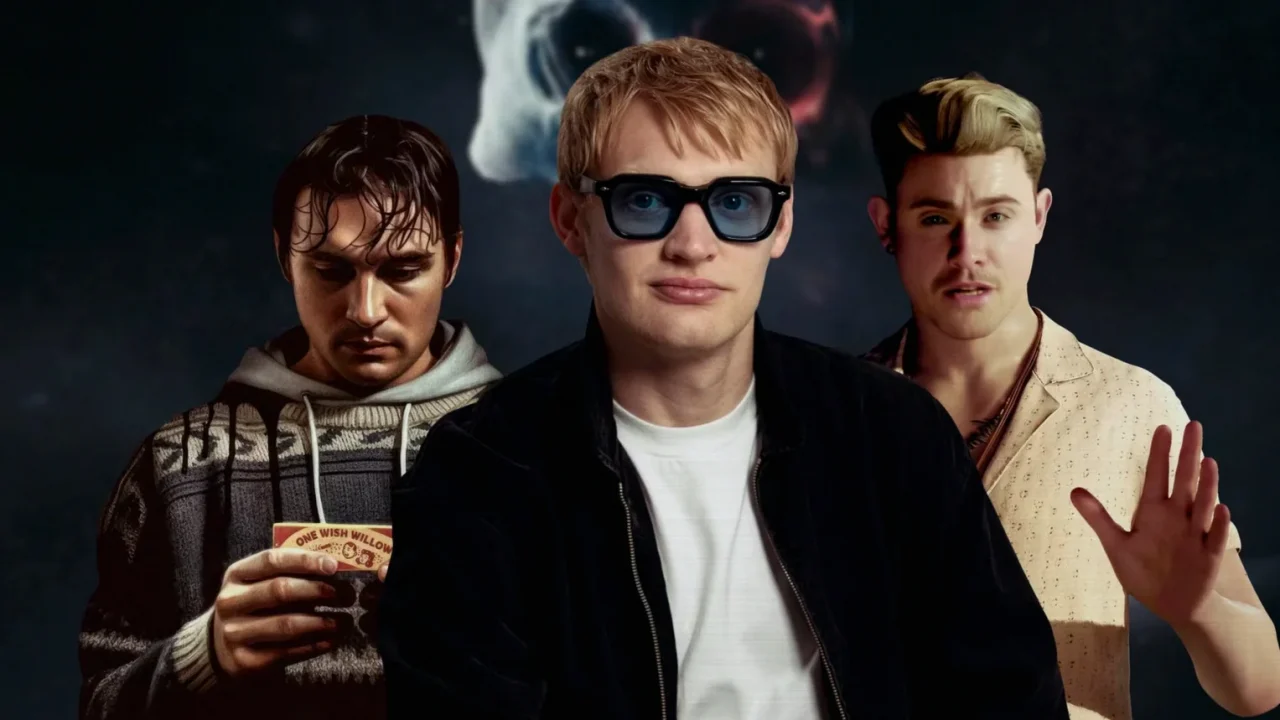
Curry Barker’s next horror project, Anything But Ghosts, is shaping up as an unexpectedly close companion to Until Dawn 2. Sony and Firesprite revealed the choice-driven horror game at the June 2026 State of Play, while Barker’s film has already completed principal photography. With both projects built around staged paranormal investigations that turn terrifyingly real, horror fans may soon have two versions of a remarkably similar premise to compare.
What happened
Until Dawn 2 moves beyond the original game’s group of friends and Blackwood Mountain. Its story follows Dead True, a paranormal-hunting crew that fabricates and stages its investigations until a professionally funded episode on a tropical island forces the team to confront genuine supernatural dangers. The island’s history appears to be connected to those threats, although the details remain limited.
The sequel is confirmed for release in 2027 and remains focused on narrative choices and consequences. That makes it structurally familiar to the first Until Dawn, even as the new setting and cast create a different kind of horror scenario.
Anything But Ghosts follows two fake paranormal investigators who also manufacture their apparent successes before encountering actual ghosts. The film is set in the same universe as Obsession, Barker’s earlier horror release, giving it a similar relationship to that movie as Until Dawn 2 has to its predecessor. Principal photography wrapped in April 2026, but a release date has not been announced.
Why it matters
The overlap is more than a shared supernatural theme. Both stories use performers who have built a business around pretending to find the paranormal, then remove the safety of that performance once the supernatural becomes real. The key difference is the format: Until Dawn 2 will put players in control of decisions, while Anything But Ghosts will deliver a fixed film experience.
The timing could make the comparison especially visible. Obsession has remained in the horror conversation after its theatrical release and subsequent streaming releases in May and July 2026. If Anything But Ghosts reaches audiences near Until Dawn 2’s 2027 launch, the projects could benefit from shared interest—or compete for attention among fans looking for a new paranormal story.
The productions are not identical. Anything But Ghosts centers on a pair of investigators, and its setting has not been revealed. Until Dawn 2 instead uses a larger Dead True crew and a tropical island backdrop. Those distinctions should give each release room to develop its own tone and scares.
What to watch next
The most important missing detail is Anything But Ghosts’ release date. Until Dawn 2 already has a 2027 window, while Barker’s film could land before, during, or after that period. The timing will determine whether audiences see the projects as complementary horror experiences or as competing takes on the same basic hook.
The film’s announced cast includes Cooper Tomlinson as Eddy, Barker as Mouse, Bryce Dallas Howard, Aaron Paul, Violet McGraw, and Chris Reinacher. Meanwhile, Until Dawn 2’s next major information should clarify how its choice system, Dead True’s group dynamic, and the island’s supernatural history separate it from the original game.
For now, the similarity is best treated as a point of interest rather than evidence of a direct connection between the two productions. Both projects have enough differences in medium, setting, and structure to stand independently.
Key takeaways for horror fans
- Until Dawn 2 was revealed by Sony and Firesprite in June 2026 and is planned for 2027.
- Anything But Ghosts has completed principal photography, but its release date remains unknown.
- Both stories feature fake paranormal investigators who eventually face genuine supernatural threats.
- Until Dawn 2 is an interactive game, while Anything But Ghosts is a narrative horror film.
- Barker’s new movie shares a universe with Obsession and expands his ongoing horror work.
Expert View
Anything But Ghosts is not simply competing with Until Dawn 2; it may give audiences a useful contrast. The game can make fear depend on player choices and consequences, while Barker’s film must build suspense through performance, pacing, and reveal. If both arrive close together, their similar premises could encourage interest in the broader paranormal-horror trend rather than weaken either project. The stronger release will likely be the one that gives its fake investigators a distinctive personality before the supernatural takes over.