Ethan Crossfield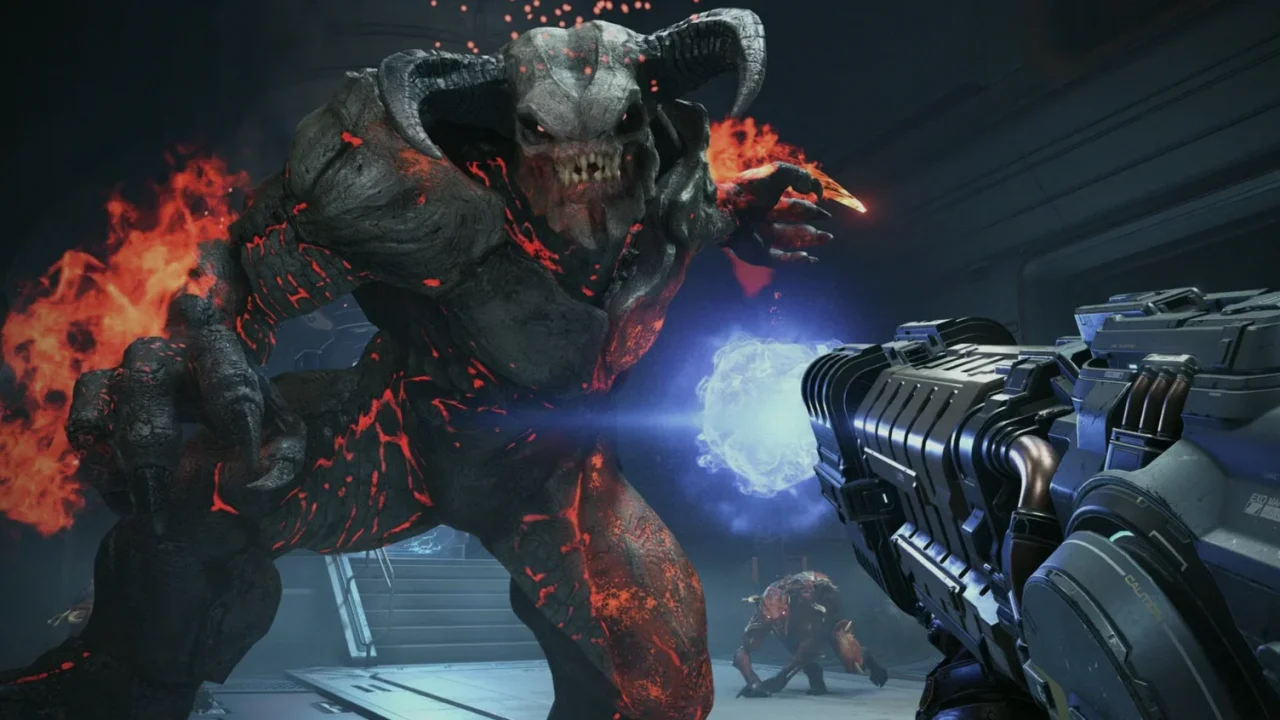
Large-scale layoffs have become one of the most disruptive forces in the games industry, affecting even established studios with successful franchises. At id Software, the veteran developer behind DOOM, the impact has reportedly been especially severe. Chris Hays, the studio’s Lead Services Programmer, described the recent Xbox cuts as deeply damaging in an interview and said morale has fallen to its lowest point during his time there.
A Veteran Developer Describes a Studio Preparing for Cuts
Hays discussed the situation on an episode of Auf ein Bier’s Well Played podcast released on July 31. He said id Software had spent almost two years anticipating the possibility of layoffs. The closure of Tango Gameworks reportedly convinced employees that critical acclaim, strong performance, and meeting internal expectations would not necessarily protect a studio from Microsoft-wide restructuring.
In response, id Software unionized and began preparing for potential job losses. Hays has worked at the studio for more than 16 years, joining as an Associate Programmer in August 2010. His first project there was Rage, and he later moved through several roles before becoming Lead Services Programmer in May 2021.
Layoffs Arrived Just Before a Major DOOM Release
The timing made the cuts particularly painful for the team. Hays said developers had endured an unusually difficult period of crunch while finishing downloadable content for DOOM: The Dark Ages. Employees were expecting time to recover after that work, but layoffs reached the studio the day before the DLC launched.
Hays characterized the day as the hardest he had experienced at id Software. He also described the process as inhumane and demoralizing, arguing that the consequences extended beyond lost jobs. Some former employees reportedly still have personal belongings at the office because they have not been able to return for them.
Employees Had to Determine the Scale of the Cuts Themselves
According to Hays, remaining staff did not receive a clear official announcement explaining which colleagues had been dismissed. Instead, employees contacted former coworkers directly in an attempt to understand what had happened.
That effort led them to conclude that at least half of the id Software team had been laid off. The figure comes from Hays’s account in the podcast and should be treated as his estimate rather than an independently confirmed company total. He also said the studio’s future remained unclear while management described a broader reorganization without providing a clear vision for what it would become.
What the Restructuring Could Mean for id Software
Hays’s central concern is that id Software has lost much of the culture that shaped it. In his view, the studio’s identity depended more on its people and working relationships than on the DOOM name alone.
That distinction matters for a long-running franchise. A recognizable IP can preserve public interest, but rebuilding teams after losing at least half of a studio may affect development continuity, internal knowledge, and employee confidence. Until Microsoft or id Software explains the reorganization in greater detail, the immediate future of the studio and its projects remains uncertain.
Key points
- Chris Hays discussed the layoffs on Auf ein Bier’s Well Played podcast.
- He said id Software had been preparing for possible cuts for nearly two years.
- Hays estimated that at least 50% of the studio was laid off.
- He said morale had never been lower and the studio’s future was unclear.
Expert View
The account highlights the risk of treating major game studios as interchangeable parts of a corporate structure. For the DOOM franchise, the immediate issue is not only staffing capacity but also the loss of relationships and institutional knowledge that Hays considers central to id Software’s identity. The story may also deepen concern among developers that strong results and respected franchises offer limited protection during platform-wide restructuring.