Ethan Crossfield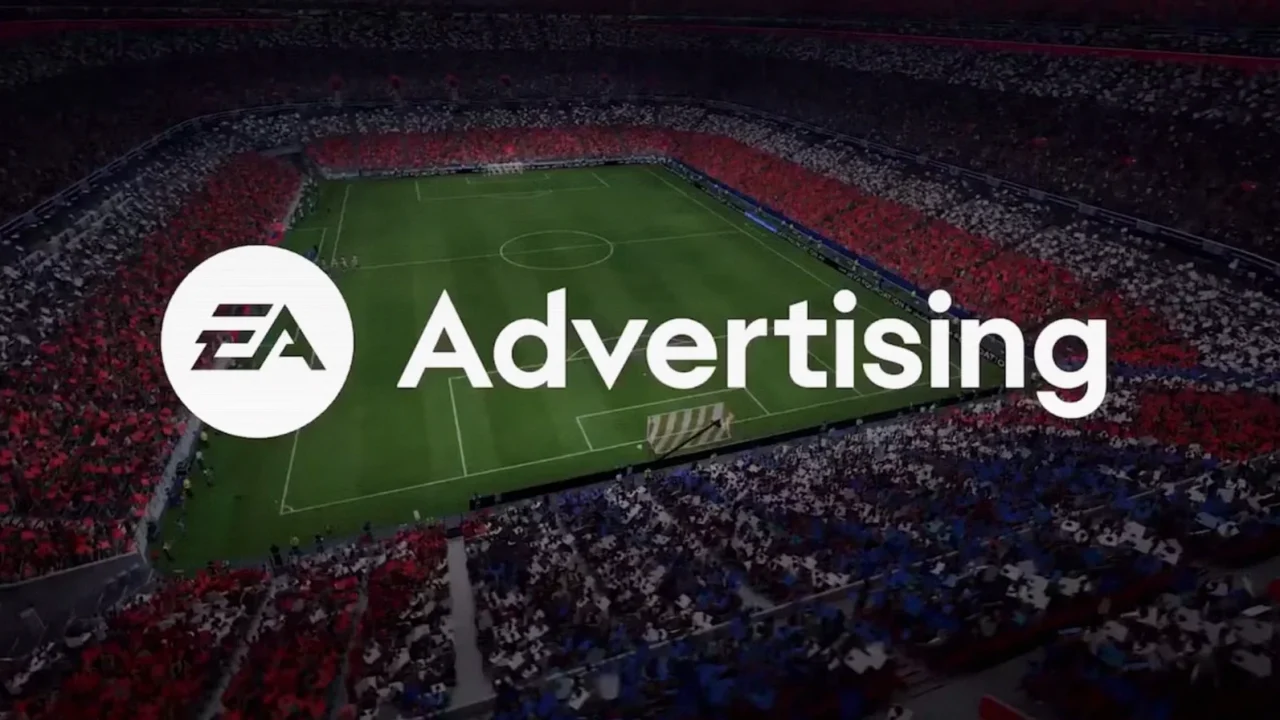
EA has introduced a new advertising platform designed to make brand placements inside games easier—and claims those ads will be non-disruptive. With major live-service sports titles and The Sims 4 in focus, the move matters now because it could reshape what players consider “content” versus “commercial space.”
What happened
EA is rolling out EA Advertising, a platform built to help major brands market products inside select EA-published games. While EA has experimented with in-game advertising in some well-known titles before, the company says this new service makes it simpler for advertisers to showcase their offerings within EA’s games.
The platform’s emphasis is currently strongest on EA’s live-service sports lineup. EA Advertising’s own page highlights sports-focused titles, with The Sims 4 also included among the games being spotlighted. The idea is straightforward: EA’s large audience and recognizable franchises make it an attractive destination for companies looking to place advertising directly into interactive experiences.
Among the franchises being pushed as potential in-game advertising spaces are EA Sports FC, Madden NFL, and Skate. EA Advertising isn’t just selling “ads,” though—it’s positioning the placements as a form of in-game integration. That includes sponsored replays, in-game media banners carrying a company logo, and custom brand-themed outfits designed around specific brands.
EA Advertising also frames this approach as more immersive, pointing to how sponsorships work in real-world televised sports. The company appears to believe that if branding already feels normal in broadcast environments, it can be translated into sports gameplay without breaking immersion.
Why it matters
In-game advertising has long been divisive among gamers. Some players view it as intrusive, while others are more tolerant—especially if the branding feels like part of the presentation rather than an interruption.
EA’s pitch leans heavily on the “non-disruptive” promise, but it remains unclear how much control players will actually have. The source notes that it’s not yet known whether EA Advertising will include an option for players to turn off in-game ads. Even though an opt-out would be a logical compromise, the situation may be complicated by advertiser investment—meaning EA could keep these placements as a mandatory feature rather than something users can customize.
There’s also broader reputational risk. The source emphasizes that EA’s handling of live-service titles has already been a contentious topic, including reports of EA shutting down games and then adding more advertisements to the mix. If EA Advertising expands widely across the publisher’s catalog, it could further intensify the debate around monetization and player-first design—especially in sports games where audiences expect a certain level of authenticity and presentation.
Finally, the rollout arrives amid ongoing speculation about advertising in other major games. The source references rumors surrounding Grand Theft Auto 6 and notes that an executive stepped forward to clarify the developer’s approach to such deals, underscoring that in-game advertising remains a headline issue across the industry—not just within EA.
What to watch next
EA Advertising is new, so its early performance will likely determine how quickly brands lean in and how players respond. The immediate question is whether EA can deliver on its non-disruptive claim in practice—particularly in the sports titles where integration features like sponsored replays and logo banners could become more frequent.
Players and fans should also watch for any confirmation about ad controls. If EA does not offer a way to disable advertising, the debate is likely to sharpen as campaigns roll out deeper into live-service seasons.
From an industry perspective, the platform’s success could influence how other publishers package “in-game integration” as a sponsorship-friendly alternative to traditional interruptions. If EA Advertising gains traction, it may set expectations for what “immersive” branding looks like—and how acceptable it is to players.
Practical takeaways for players and esports viewers
- Expect more brand-style presentation inside select EA sports titles, including sponsored replays, logo banners, and themed outfits.
- Watch for confirmation on whether in-game ads can be turned off—current details are unclear.
- If you’re sensitive to monetization, pay attention to how EA frames “non-disruptive” placements during live-service updates.
- Sports fans may notice a closer link between broadcast sponsorship norms and what appears in gameplay.
- Industry-wide, this could raise the bar for how publishers sell advertising as “integration” rather than interruption.
Expert View
EA Advertising is effectively trying to move in-game ads from the “annoying interruption” category into the “broadcast sponsorship” category—especially for sports games where branding already feels native. The risk is that “non-disruptive” is a marketing promise, not a player setting. If EA keeps these placements mandatory, the company could deepen the same trust issues it already faces around live-service practices, even if the ads are visually integrated.