Ethan Crossfield
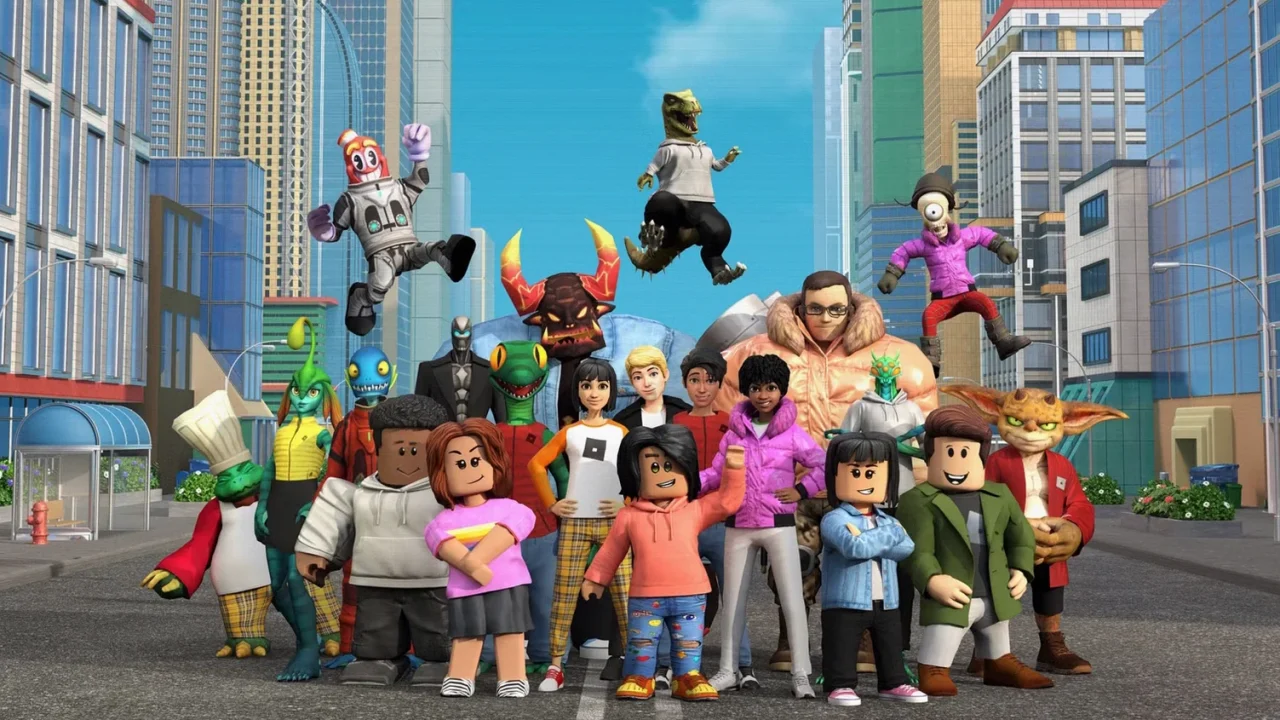
Roblox remains one of gaming's biggest hubs for fast-moving trends, where a simple idea can become a hit—or be replicated by other creators almost immediately. That cycle is now affecting Escape the Walls, an upcoming indie project from Pandorio Games, with several Roblox experiences adopting its wall-smashing escape concept before the original game has launched.
A Viral Concept Reaches Roblox Quickly
Escape the Walls was revealed by Pandorio Games on October 14, introducing a straightforward physical challenge: players punch through walls, collect the resulting rubble and work their way out of a prison-like room. Within less than a week of that reveal, multiple Roblox games built around a closely matching premise had appeared on the platform.
Some of the new experiences use names that closely resemble the original title, including one called Escape the Wall. Their arrival underlines how rapidly recognizable concepts can be reproduced inside Roblox's vast user-created ecosystem, particularly when an idea is easy to understand from a short gameplay clip.
AI Assistance Was Cited by Some Creators
The copies are not only similar in theme. Some Roblox creators have said they used AI tools, including Claude, to help make their versions. The source does not establish how much of each project was generated or assisted by AI, but those admissions add another layer to the discussion around how quickly small games can be built and released on creation platforms.
Pandorio Games has not publicly commented on the Roblox experiences. Escape the Walls itself is still in development, and its Steam page became available for wishlisting on October 18. No release date is confirmed in the available information.
Why Roblox Is a Frequent Home for Copycats
Roblox hosts tens of millions of playable experiences, creating enormous opportunities for original creators while also making it easier for familiar formats to spread. The platform has produced major successes such as Grow a Garden and Blox Fruits, while also supporting official experiences tied to brands including Transformers, Star Wars and SpongeBob SquarePants.
Grow a Garden demonstrated the upside of a simple accessible idea in 2025, attracting tens of millions of players and, at its peak that summer, surpassing Fortnite in active players. Roblox's scale means an unofficial take on a viral concept can potentially reach an audience before the original developer has finished its own release.
What Comes Next for Escape the Walls
For Pandorio Games, the key test will be whether the finished version can distinguish itself beyond its instantly readable hook. The studio has primarily worked on mobile games since its founding, and it recently released its first Steam demo for the co-op physics game Caravan Bazar in early October.
The Roblox copies may introduce more players to the basic idea, but they also risk defining expectations around a game that is not yet available. Escape the Walls now has a Steam wishlist page, giving interested players an official destination as they wait for further details from Pandorio Games.
Key points
- Escape the Walls was first shown by Pandorio Games on October 14.
- Multiple Roblox games with similar wall-punching gameplay appeared within days.
- Some creators said AI tools helped them develop their Roblox versions.
- The official Steam page went live for wishlisting on October 18.
Confirmed Escape the Walls timeline
| Item | Date | Details |
|---|---|---|
| Initial gameplay reveal | October 14 | Pandorio Games showed the wall-punching escape premise. |
| Steam wishlist page | October 18 | Escape the Walls became available to wishlist on Steam. |
| Roblox copies | Less than a week after reveal | Similar experiences appeared before the original release. |
Expert View
This story reflects a growing speed gap between traditional indie development and user-generated platforms. A viral mechanic can be copied, tested and distributed before its creator has a public build ready. For studios, a clear official storefront, continued updates and features that go beyond the initial social-media hook are increasingly important ways to protect interest in an original concept.