Ethan Crossfield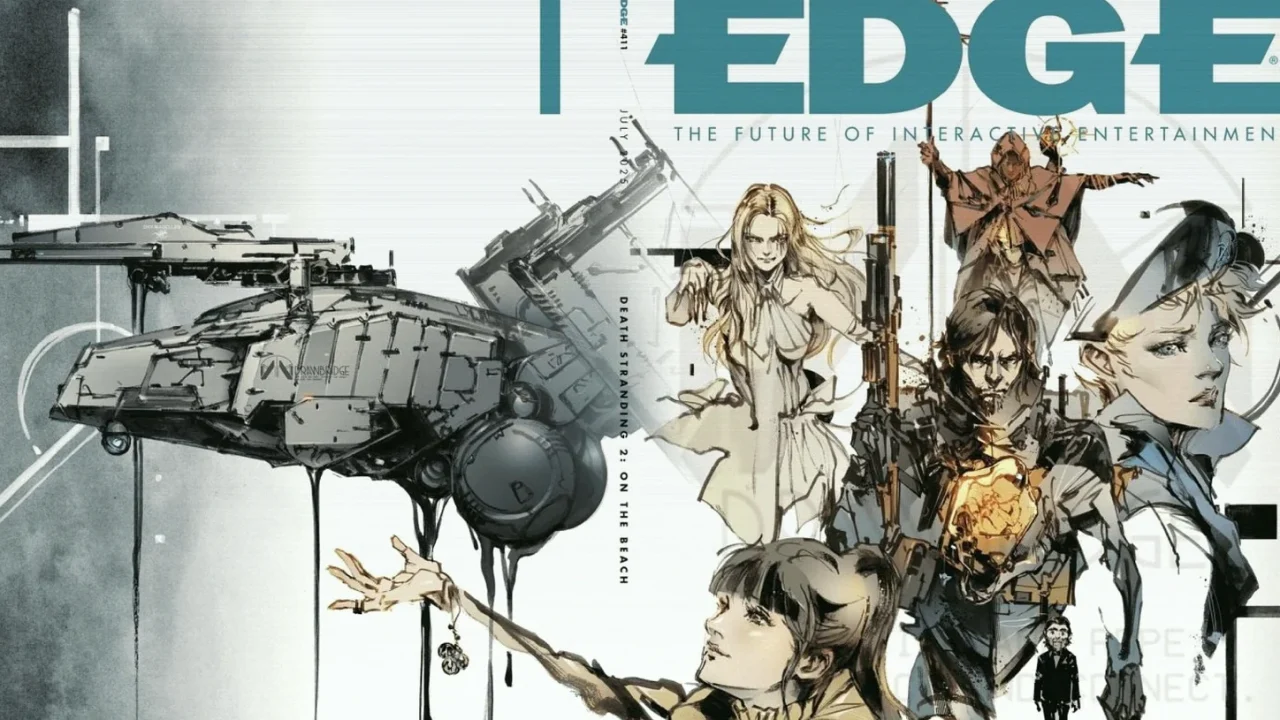
Hideo Kojima says he’s disappointed by how unanimously positive early feedback for Death Stranding 2 has been—an unusual reaction from a creator who expects games to spark debate. The comments matter now because they hint at what kind of experience Kojima is trying to make, and why “everyone liking it” isn’t the goal.
What happened: Kojima wasn’t expecting universal praise
In an interview with EDGE Magazine, Hideo Kojima discussed his reaction to early responses to Death Stranding 2: On the Beach. According to Kojima, the game has performed well in early testing, with positive feedback coming from both players and Sony. Yet he described feeling disappointed that the reactions have been so consistently favorable.
Kojima framed the moment as a creative surprise. He said he had hoped the sequel would again split opinions, believing that controversy and differing reactions are part of what makes games meaningful. In his view, a broad consensus can be a sign that the work didn’t land in a way that challenges expectations.
He also clarified how he processes feedback during development. Kojima indicated he pays attention to criticism when it concerns practical elements like controls, or when camera movement feels too fast or too slow. However, he emphasized that he doesn’t adjust the game’s themes or story direction solely because of audience feedback.
To explain his perspective, Kojima looked back at the first Death Stranding. He recalled that early testing produced harsh impressions from a majority of testers—six out of ten reportedly thought it was “terrible.” Kojima interpreted that negative split as a positive creative signal. By contrast, he said the sequel’s more action-focused direction appears to have satisfied testers across the board, which he finds less creatively exciting.
Why it matters: disagreement is part of Kojima’s creative goal
Kojima’s reaction draws a clear line between two types of feedback: usability feedback versus creative direction. On one hand, he’s open to changing how the game plays—especially when it comes to control feel and camera pacing. On the other, he wants to preserve the core identity of his work, including its themes and narrative approach.
That stance matters because it suggests Death Stranding 2 is being shaped for impact rather than universal approval. If Kojima’s disappointment reflects a preference for divisive reactions, then early praise may not mean the final experience will be more accessible in every sense—it may simply indicate that the sequel’s design choices are landing more smoothly than the original.
It also reframes what “positive early testing” can imply. In this case, Kojima isn’t rejecting the results outright; he’s questioning what the unanimity might signal about how far the game is pushing boundaries. For players watching development, that means the story and thematic intent may remain steady even if opinions on specific mechanics vary.
What to watch next: how the game balances action and risk
With Kojima pointing to a shift toward a more action-oriented feel as a reason testers may be responding more favorably, fans should watch how that balance evolves as the game nears release. The key question is whether the sequel keeps the same willingness to challenge players through tone and narrative, even if the moment-to-moment experience is more immediately satisfying.
For the wider scene, Kojima’s comments also highlight a recurring industry tension: should developers chase broader comfort, or should they protect the creative choices that invite criticism? If Death Stranding 2 continues to aim for a distinctive identity, expect the conversation around it to develop beyond early reactions—especially once more players reach the game’s deeper systems and story beats.
Practical takeaways for players and fans
- Don’t treat early praise as a guarantee of a “safe” design—Kojima says he prioritizes themes and story direction over feedback.
- If you’re sensitive to controls and camera feel, keep an eye on how the game responds to usability concerns during final tuning.
- Kojima’s own history suggests he values divided reactions; expect debate once more players experience the full package.
- The sequel’s more action-focused direction may be a factor in early satisfaction—watch for how that changes pacing and engagement.
Expert View
Kojima’s disappointment is a reminder that “better” isn’t always the same as “more agreeable.” By openly saying he wanted dissent, he’s signaling that Death Stranding 2’s identity is meant to provoke—not merely to entertain. For players, that’s good news: even if the early build feels smoother, the creative risk that defined the first game isn’t necessarily going away.
FAQ
Why did Kojima say he was disappointed by early feedback?
He said the reactions to Death Stranding 2 have been overwhelmingly positive, and he had hoped for more division—because differing opinions, in his view, make games more meaningful.
What kind of feedback does Kojima say he acts on?
He indicated he listens when criticism concerns gameplay fundamentals such as controls and camera movement speed, but he doesn’t change themes or story based on feedback.
How does Kojima compare the sequel to the first Death Stranding?
He recalled that early testing for the first game produced a strongly negative split, which he viewed as a good sign, while he says the sequel’s action-focused direction seems to have pleased all testers.