Ethan Crossfield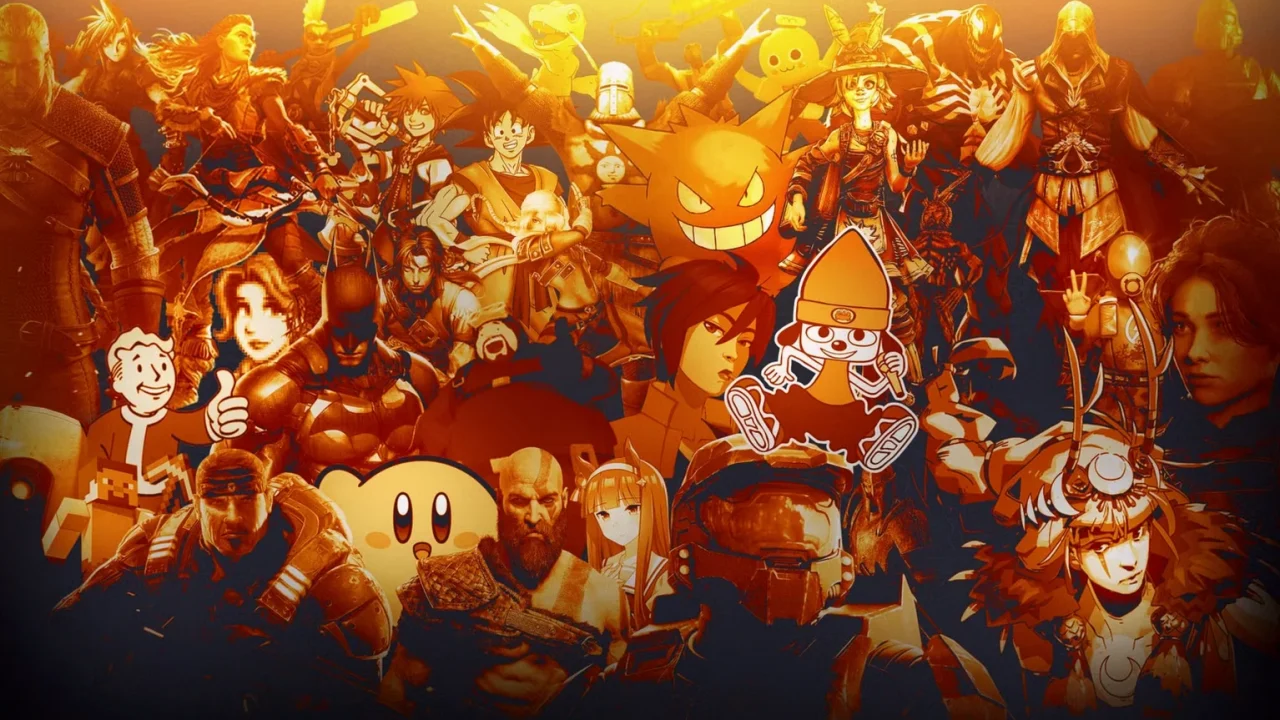
A fresh batch of free-to-play browser games is making the rounds, centered on quick-fire video game challenges and trivia. For players who want a low-commitment way to test recognition skills—especially under time pressure—this collection is built around silhouettes, cover art, and daily puzzle formats.
What happened
The new browser game lineup is a curated mix of trivia and puzzle experiences, each built to reward fast identification and pattern recognition. Several challenges revolve around spotting the “odd one out” before a timer runs down, while others ask players to guess characters from silhouettes—first for video game characters, then again with an anime-focused version.
Weapon and inventory-themed modes also stand out. “What’s That Weapon?” tasks players with identifying iconic video game weapons from silhouettes, while “Loadout Logic” emphasizes grid-filling and timed rotation of inventory items.
The hub further expands beyond standard trivia with emoji-based guessing games. “Gamoji” challenges players to decode video games hidden inside emoji combinations, and “Animeji” does the same for anime series.
Cover art and scratch mechanics add a different kind of challenge. “Cover Art Calculations” requires players to select cover art that completes mathematical equations, while “Scratch & Peek” tests how much players can reveal by scratching off foil—implying a resource-limited reveal mechanic.
Finally, the collection includes daily crossword formats (“Daily Crossword” and a shorter “Daily Crossword Mini”), screenshot-based identification (“Name That Game”), and category matching via cover art (“Cover Storm”). A memory-style mode (“MatchUp” and “MatchUp (Anime)”) asks players to flip cards and find matching pairs, with an anime artwork variant.
Why it matters
This lineup matters because it turns recognition of game culture—characters, weapons, cover art, and even release-era ordering—into bite-sized browser experiences. That format is ideal for casual play sessions, but it also creates a spectator-friendly skill layer: quick answers, pattern decoding, and clean elimination strategies.
Notably, the collection isn’t limited to mainstream game trivia. By including anime character and anime series variants, plus emoji decoding, it broadens the audience beyond players who only follow games closely. Modes like “ChronoLogic” and its anime counterpart, which require arranging titles in release date order, add an extra knowledge dimension that can separate casual familiarity from deeper fandom.
The inclusion of multiple daily puzzle options also supports repeat engagement. Players who return for a crossword-style challenge get a consistent reason to check back, while faster modes like “Name That Game” and silhouette rounds provide variety for different play moods.
What to watch next
Players looking to get the most out of the hub should treat these games as different skill tests rather than a single genre. Silhouette rounds reward visual memory, emoji decoding rewards lateral interpretation, and cover-based challenges reward familiarity with key franchise branding.
For esports and community organizers, the collection suggests a natural direction for informal tournaments: timed silhouette challenges, card-matching brackets, and cover-art category races. If the platform continues expanding, expect more crossovers between game trivia and other pop-culture formats, given how the lineup already splits between video games and anime.
Practical takeaways for players
- Practice under time pressure: several modes are explicitly timed, so quick elimination beats perfect certainty.
- Use your strongest recognition lane—silhouettes, cover art, or emoji decoding—then rotate modes for variety.
- For cover art and math challenges, focus on identifying the “missing piece” logic rather than guessing randomly.
- Daily crossword entries are best for consistent, repeat play; treat them like a routine rather than a one-off session.
Expert View
Browser trivia doesn’t have to be shallow to be accessible. This collection leans into recognizable game culture—characters, weapons, cover art, and even release-date ordering—while varying mechanics from silhouette guessing to scratch-reveal and emoji decoding. The result is a hub that can work as casual entertainment today, and as a recognizable format for community challenges tomorrow, especially with the built-in anime variants that broaden who can compete.