Ethan Crossfield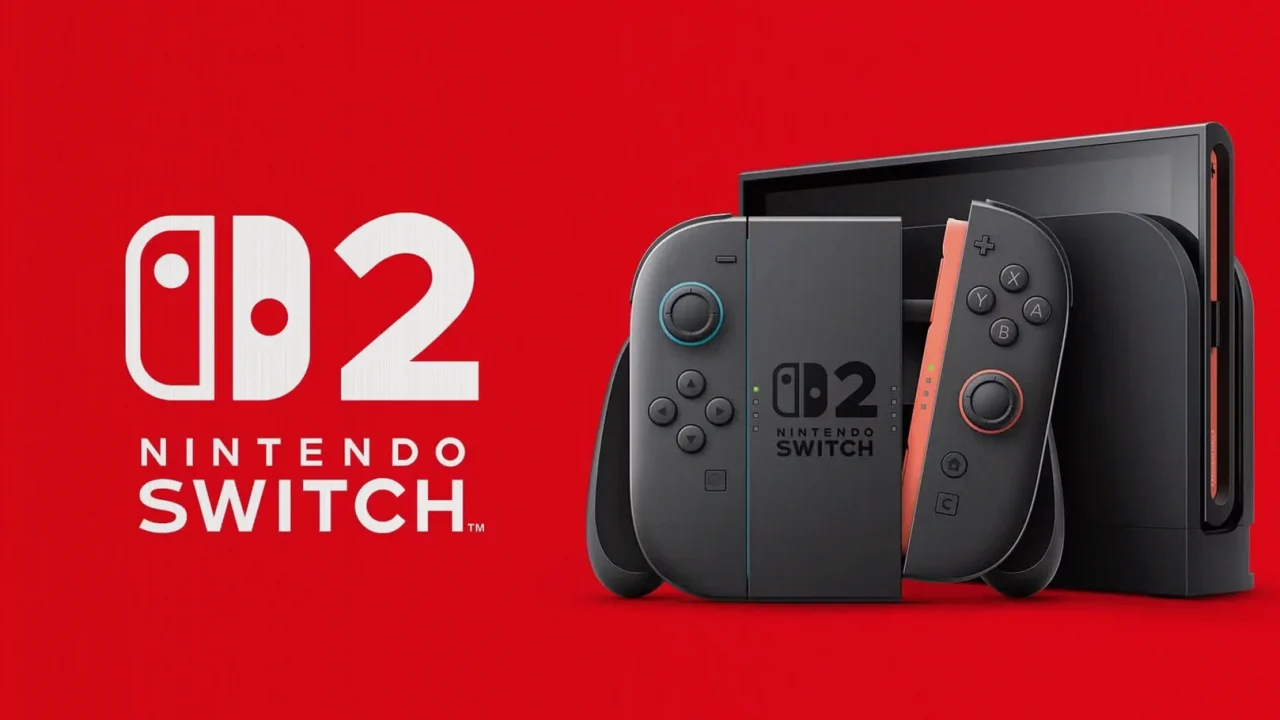
Nintendo has filed a bid to end a proposed class-action lawsuit tied to U.S. tariff refunds—arguing that customers shouldn’t receive money simply because the legal landscape changed after they already bought Switch hardware and accessories. The response matters now because the U.S. Supreme Court previously ruled the tariffs unconstitutional, and affected companies have moved to reclaim tariff payments, raising the question of whether any refunds should flow back to consumers.
What happened: tariffs, refunds, and a “double-dipping” claim
The lawsuit targets Nintendo products purchased between February 2025 and February 2026, including Switch accessories that reportedly saw price increases before the launch of Switch 2. According to the plaintiffs’ theory, Nintendo raised prices in response to widespread U.S. tariffs that increased import costs, and then—after Nintendo sought tariff refunds from the government—customers should receive those savings too.
Nintendo’s position is that this is not how completed commercial transactions work. The company is fighting back against the claim that refunding tariffs later effectively requires retroactive price adjustments. In the filing, Nintendo argues that buyers “received exactly what they bargained and paid for,” even if subsequent tariff litigation changes what companies can later recover.
The legal backdrop is important: earlier this year, the U.S. Supreme Court ruled the tariffs unconstitutional. That decision, as described in the source, opened a pathway for companies to reclaim billions of dollars in tariff payments—exactly the kind of refund Nintendo is pursuing from the government. Two Nintendo customers then filed the proposed class action, alleging Nintendo’s approach amounts to “double-dipping” by both charging higher prices and later obtaining tariff refunds on those charges.
Why it matters: Nintendo says finished sales can’t be renegotiated
Nintendo is asking the court to dismiss the case entirely. In its response (reported by Game File), the company argues there is no entitlement to a rebate based solely on later legal developments related to tariffs. The core argument is that completed sales are not retroactively renegotiated after a court decision, and consumers are not automatically owed refunds when a business later recovers some costs.
Nintendo’s filing also frames the dispute around ownership of any tariff recovery. While the plaintiffs contend Nintendo should share any government refund money, Nintendo maintains that refunds—if granted—belong to the company rather than customers who already completed their purchases.
The situation also intersects with how the government is handling tariff refund requests. The source notes that Nintendo’s own claim against the U.S. government was paused after the government created a system that allowed companies to apply directly for tariff refunds instead of continuing litigation. That procedural shift is part of why the consumer lawsuit gained traction: customers see a potential payout stream and argue it should be passed on.
What to watch next: dismissal chances and broader hardware cost pressures
For now, the key question is whether Nintendo’s motion to dismiss will succeed. If the court grants the request, the proposed class action would end before reaching trial. If it doesn’t, the case could move forward at least as far as trial.
Separately, Nintendo’s pricing concerns are not limited to tariffs. The company has acknowledged that ongoing DRAM memory shortages could continue to pressure hardware costs. Nintendo President Shuntaro Furukawa has said the company is monitoring the situation closely and has not ruled out future price changes on Nintendo Switch and Switch 2 hardware.
The source also points to a wider industry trend: major gaming hardware players—including Steam, PlayStation, and Xbox—are reportedly dealing with the RAM crisis, and price hikes have occurred across multiple hardware companies. That broader context suggests Nintendo’s next moves on pricing could remain under scrutiny even if the tariff lawsuit stalls or fails.
Practical takeaways for Switch buyers
- If you bought Switch hardware or accessories during February 2025–February 2026, the case is specifically framed around that window.
- Nintendo’s defense centers on the idea that completed purchases aren’t retroactively adjusted after tariff litigation outcomes.
- The Supreme Court’s unconstitutional-tariff ruling is a major reason tariff refund claims are moving forward across the industry.
- Even outside tariffs, DRAM shortages are cited as an ongoing driver of potential future hardware price pressure.
Expert View
This dispute lands at the intersection of consumer expectations and how refunds actually work in commercial transactions. Nintendo’s argument—that buyers shouldn’t get a rebate just because a later court decision changes what the company can recover—reflects a common legal reality: completed sales typically aren’t reopened. For players, though, the optics are hard to ignore. When prices rise due to tariffs and refunds later become possible, it’s easy for consumers to view the outcome as a fairness issue rather than a contract issue. If Nintendo’s motion to dismiss succeeds, it may set a precedent that limits how far price-hike grievances can travel once the purchase is final—while the industry’s ongoing memory-cost pressures keep the pricing debate alive regardless of the lawsuit’s outcome.