Ethan Crossfield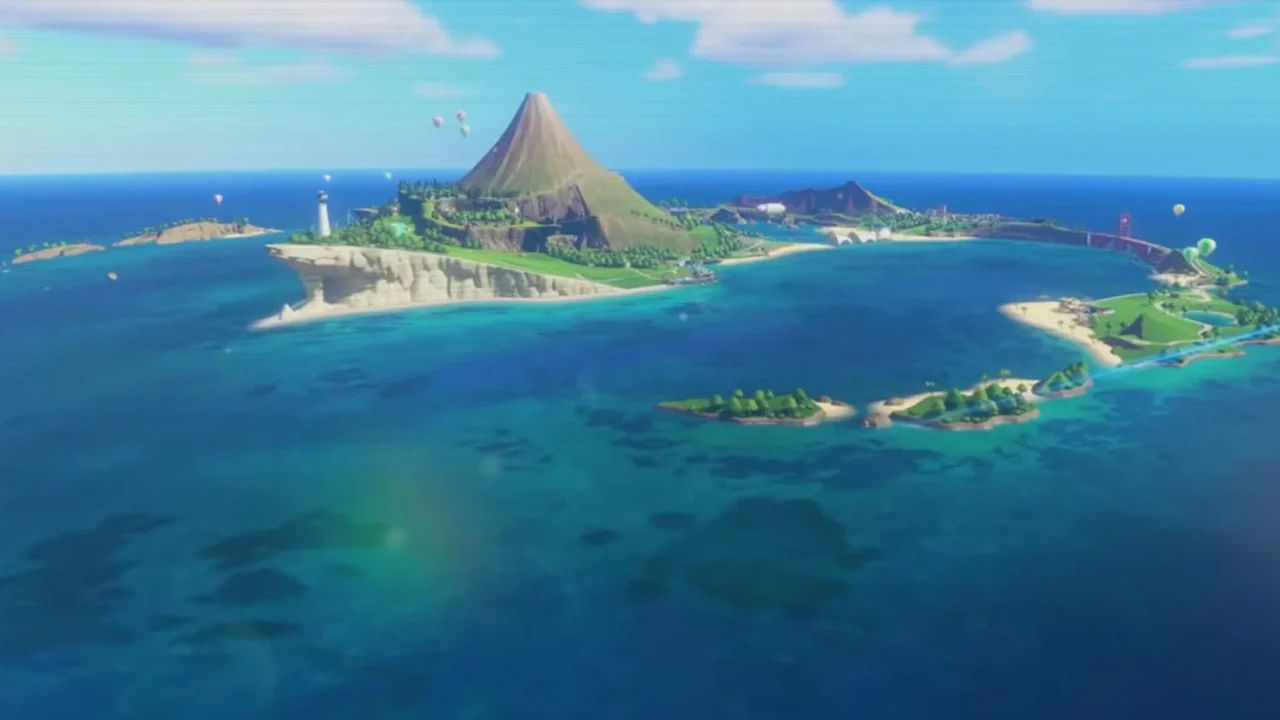
Nintendo has officially announced Nintendo Switch Sports Resort, and with it comes the return of Wuhu Island—the tropical stage fans associate with Wii Sports Resort. The news matters now because it turns recent rumors into a confirmed sequel, positioning the franchise to hit Switch 2 players later this year.
What happened
Nintendo’s latest announcement, delivered around the Nintendo Direct coverage, confirms that the previously discussed project is not just a simple Switch 2 version of Nintendo Switch Sports. Instead, Nintendo is releasing a full sequel—Nintendo Switch Sports Resort—named in the spirit of Wii Sports Resort.
The new game’s setting is a headline detail for longtime fans: Wuhu Island returns as the location where matches take place. Nintendo also frames the announcement as a reason Switch 2 owners have something to look forward to, with the game launching on October 22.
Nintendo Switch Sports had already proven there’s demand for Wii Sports-style experiences on modern hardware, and the sequel builds on that momentum by expanding the idea of motion-controlled sports into a new, resort-based package.
Why it matters
Wuhu Island isn’t just a backdrop—it’s part of the identity of the sports format for many players, especially those who remember Wii Sports Resort. Nintendo’s choice to bring the island back suggests the sequel is aiming to deliver a familiar vibe while presenting it as a successor for a newer generation.
Nintendo Switch Sports Resort is built around motion controls using the Joy-Con 2, with each sport designed to take advantage of those capabilities in different ways. In other words, the game isn’t only about having a list of activities—it’s about making each activity feel distinct through how you move and play.
Nintendo also confirmed the sports lineup in its trailer, setting expectations for what players can jump into at launch. The game is described as featuring 12 sports, all centered on play from the Wuhu Island location.
What to watch next
Nintendo Switch Sports Resort will let players compete using their in-game avatars, called Sportsmates, as well as Miis. Character customization was highlighted as a major focus in the original game, and while the announcement doesn’t provide new specifics, it strongly implies customization will remain central.
Beyond that, the months ahead are likely to bring more details on features and modes not covered in the initial reveal. With the game’s October 22 launch date on the near side, the next Nintendo Direct presentations could also clarify how deep the customization and social play go.
There’s also a broader platform implication: Nintendo has multiple major projects in motion for the Switch 2 era, including an Ocarina of Time remake that was part of the same leak as this sports sequel. With both now officially on the table, future announcements may become harder to predict—and easier to anticipate for fans who track what’s next.
Practical takeaways
- Expect Wuhu Island to be the core battlefield—Nintendo is explicitly bringing it back as the main location.
- The sequel is not a simple port: it’s positioned as a full Nintendo Switch Sports Resort experience for Switch 2 players.
- Plan to use Joy-Con 2 motion controls—Nintendo is designing each sport to use motion in different ways.
- Get ready to play through Sportsmates and Miis, with customization likely to remain a key part of the experience.
Confirmed sports in Nintendo Switch Sports Resort
| Sport |
|---|
| Archery |
| Basketball |
| Bowling |
| Golf |
| Jump Rope |
| Power Cruising |
| Prop Plane |
| Skateboarding |
| Table Tennis |
| Tennis |
| Thumb Wrestling |
| Volleyball |
Expert View
Nintendo’s decision to return to Wuhu Island and frame Switch Sports Resort as a true sequel signals a clear strategy: preserve what made Wii Sports Resort memorable while modernizing the motion-control experience for Switch 2. For players, that’s the best kind of continuity—an instantly recognizable stage paired with a fresh, expanded sports lineup. For the wider scene, it also reinforces that motion-based party competition can still thrive when it’s treated as a flagship-style product, not a novelty.