Ethan Crossfield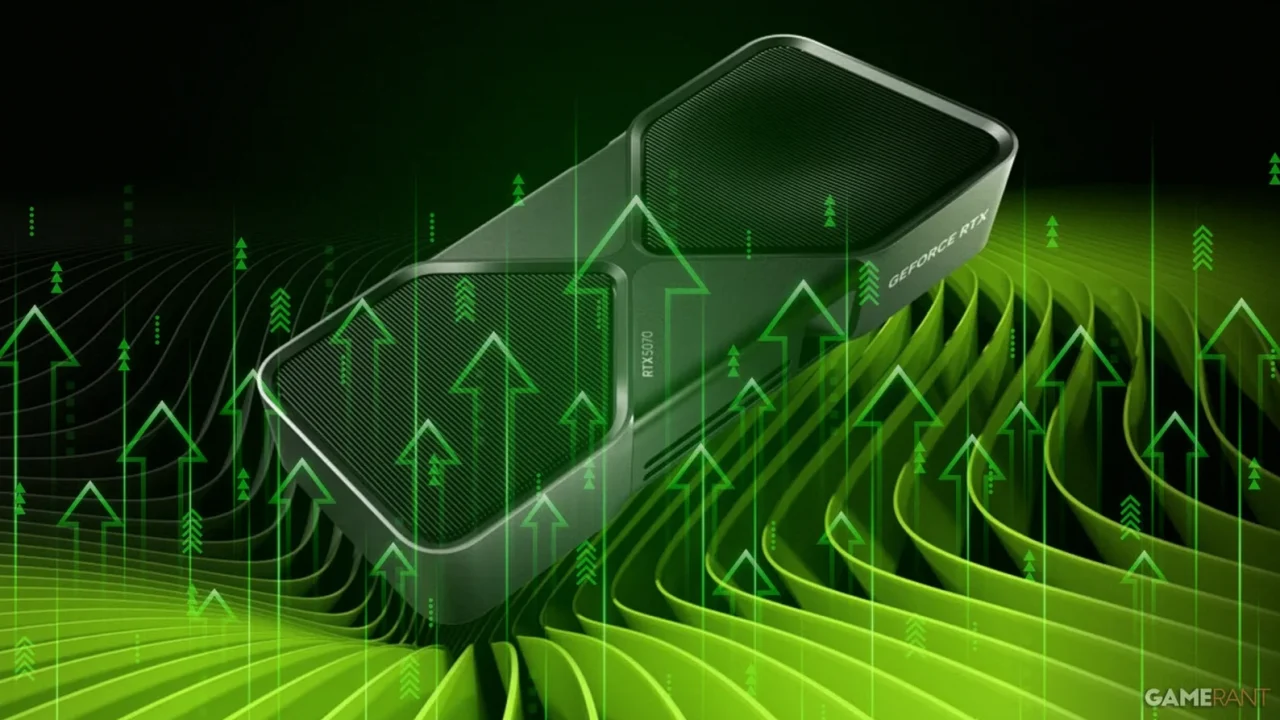
If you’ve been waiting to upgrade your gaming PC, there’s a fresh reason to pause: reports suggest Nvidia may be preparing another wave of price hikes across parts of its GeForce RTX lineup. Here’s what’s changing, which cards could be affected, and how to decide whether to buy now or wait.
What changed: a reported new round of Nvidia RTX pricing
Multiple reports indicate Nvidia is preparing another price increase for GPU-and-memory kits used by board partners. A BenchLife report says Nvidia has informed partners of higher prices for kits that use both newer GDDR7 and older GDDR6. Separately, Taiwan’s Economic Daily News claims the adjustment could be in the range of roughly 20% to 30%.
The reason given is ongoing pressure in DRAM pricing. The same memory-cost climb has reportedly impacted other electronics recently, including consoles such as the PS5 and Xbox Series X. While Nvidia has not publicly confirmed the rumored adjustment, if these reports are accurate, it would represent the third GPU price increase Nvidia has faced this year—after earlier changes that already pushed prices upward throughout 2026.
Who is affected: beyond the flagship RTX 5090
The latest rumor is notable because it’s described as broader than the previous May adjustment, which was said to primarily target the RTX 5090 and push some top-tier models to $5,900.
According to the new reports, the upcoming increase would extend beyond the RTX 5090 and cover products using both current GDDR7 and previous-generation GDDR6. That means the RTX 4000 series could also see price movement if board partners pass higher kit costs along to retail.
This comes against a backdrop where GPU supply has already tightened to the point that Nvidia has reportedly been selling older cards again. In other words: even before a new increase, the market environment has already been challenging for buyers.
What comes next: retail pricing pressure and upgrade timing
Even relatively small manufacturing-level changes can ripple into retail pricing, and early signs suggest consumers may feel the impact quickly. Premium RTX 5080 models are already described as becoming more expensive. As one example from the source, Best Buy listed an Asus ROG Astral RTX 5080 OC for $2,099 on July 30, compared to its $1,499 launch price.
If another increase materializes, high-end options like the RTX 5080 and RTX 5090 could become even harder to justify for many PC gamers, including enthusiasts. The broader PC market isn’t insulated either: the source notes that RAM shortages have continued to affect prices across PC hardware, and AMD and Intel components have also seen increases.
For console buyers, pricing pressure is already showing up as well. With the next generation approaching, fans are concerned about what Sony and Microsoft may charge at launch, especially since current memory-driven costs have already affected existing systems.
What players should know
- Nvidia hasn’t confirmed the reported price change, but two separate reports claim board partners were notified of higher kit pricing.
- The rumored increase is said to apply to RTX products using both GDDR7 and GDDR6, potentially widening the impact beyond just the RTX 5090.
- Retail prices may rise even if manufacturing costs move only modestly, so current market momentum matters for your upgrade timing.
- Memory pressure is affecting more than GPUs—RAM shortages have also influenced prices across the PC hardware ecosystem.
Expert View
Treat this as a watch item, not a guarantee: Nvidia hasn’t confirmed the alleged kit-price adjustment, and real-world outcomes will vary by manufacturer, region, retailer, and remaining inventory. Still, the combination of DRAM-driven cost pressure, prior GPU price increases this year, and already-rising premium RTX 5080 pricing suggests waiting may not automatically mean getting a better deal—especially for high-end models. If you’re upgrading soon, monitor pricing trends over the next few weeks and be prepared for further movement rather than assuming stability.